exit strategy

That’s right. It’s almost time for me to painstakingly remove myself from all the projects and I’ve invested in and the people whose lives I have been a part of, even if for a second. I feel like an awkward cephalopod that’s spent all its energy wrapping its arms around something only to be pulled away, inch by inch. If the imagery sounds jarring, I promise you the feeling is even worse.
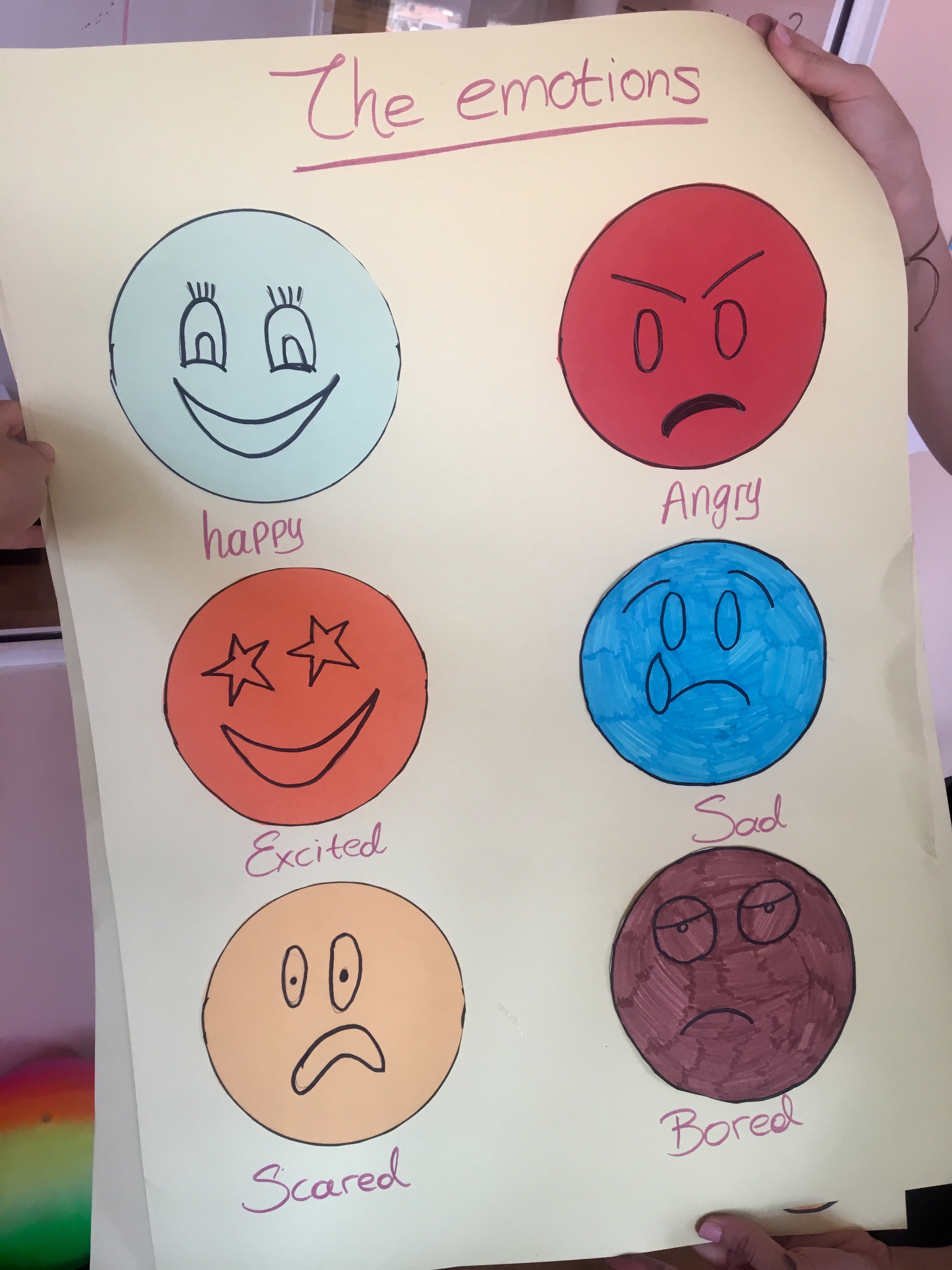
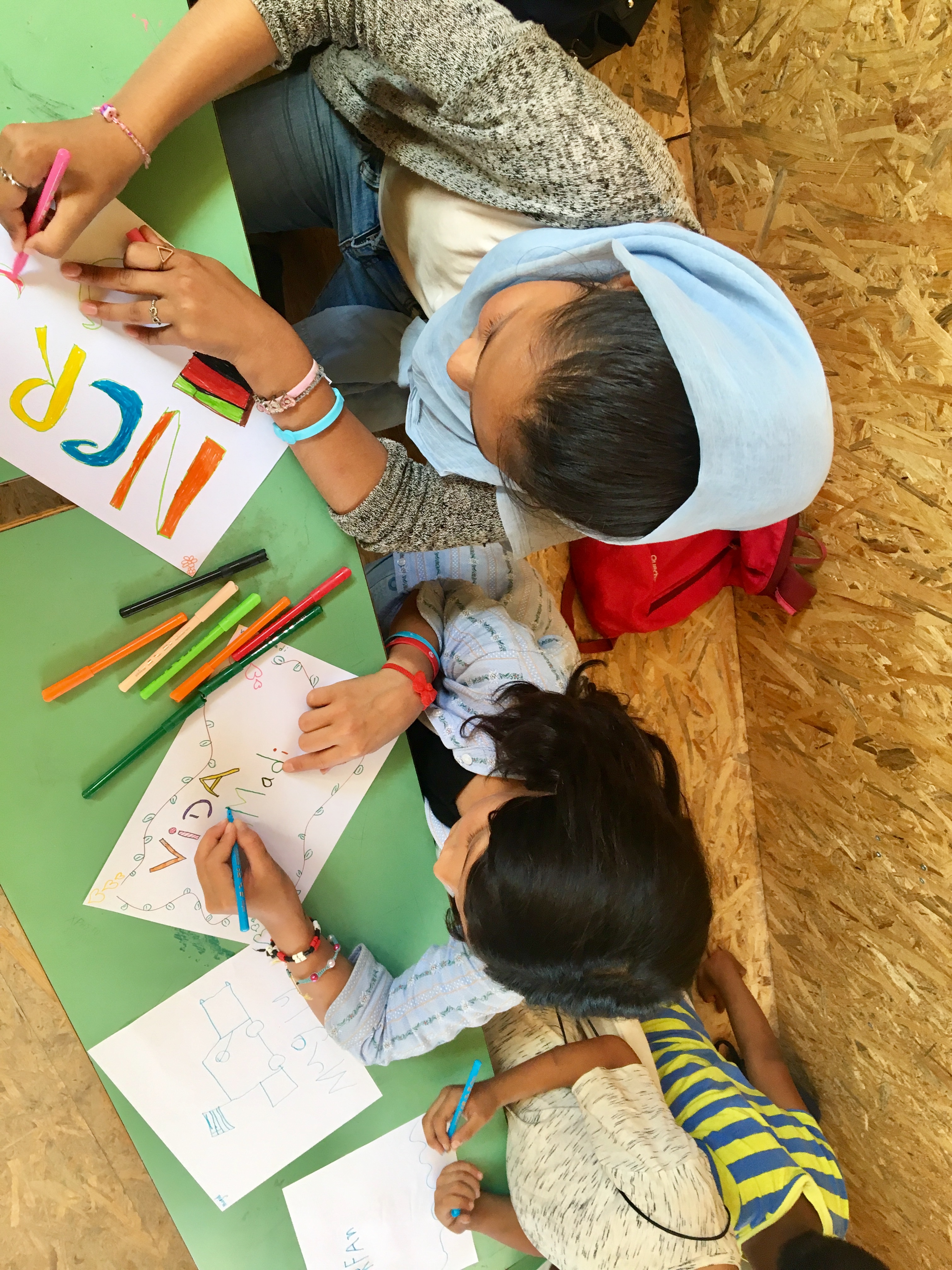
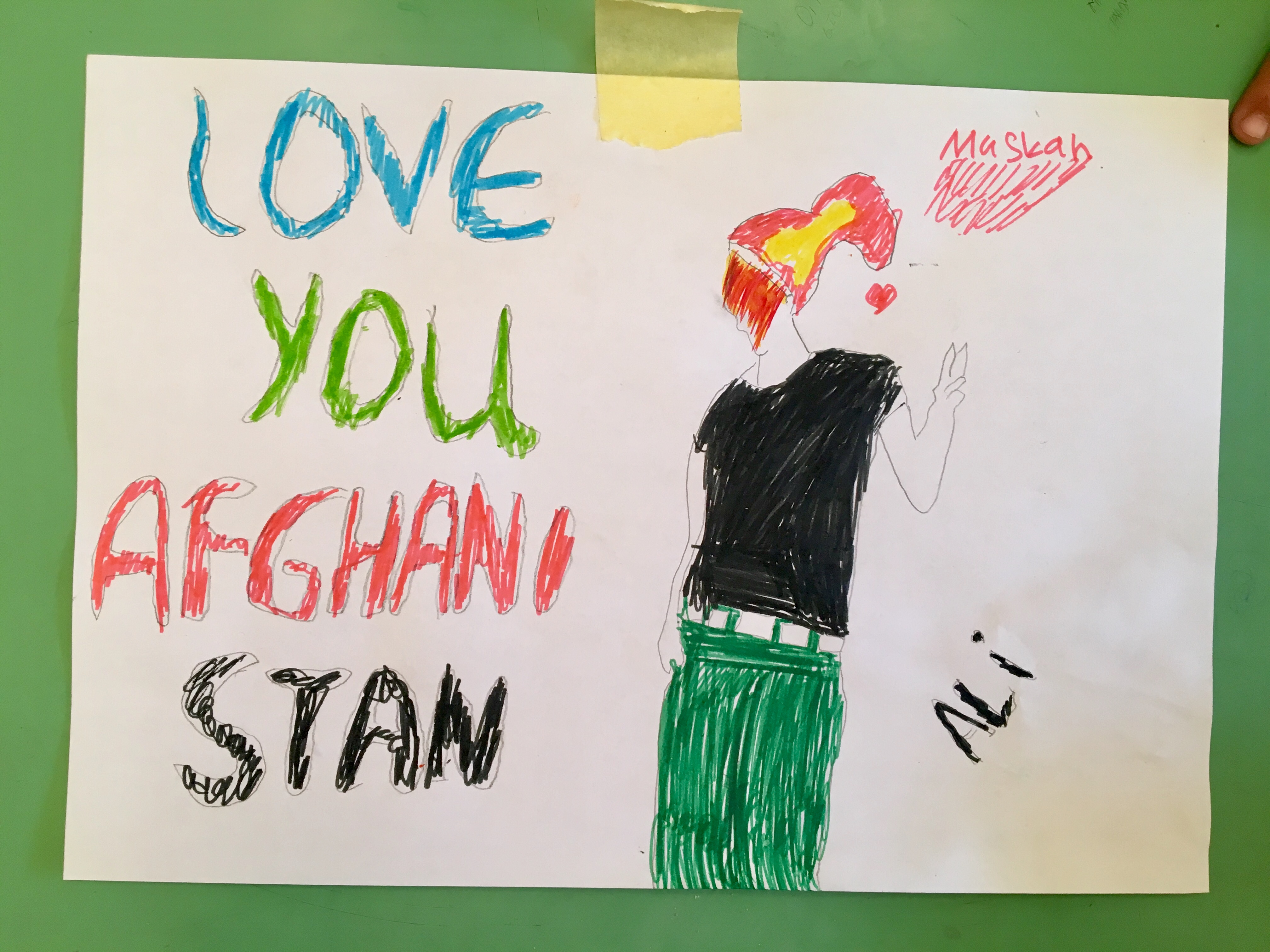
Why is this such a difficult process? Well, let’s start with the kids. The art and play therapy sessions have evolved in some really amazing ways. From connecting emotions and thoughts to actions, to exploring psychosomatic symptoms, its been amazing to see these kids open up and explore how they feel. And of course inevitably, the more time I’ve spent here the more attached I’ve become to them and their laughter, hugs, and contagious energy. But now I have to focus my attention on my exit strategy, and it’s a fine balance: I need to find a way to leave without simply vanishing from their lives (as so many have done before), but at the same time, if I make a big deal out of my leaving, I’m also emphasizing the fact that they are being left behind, that they—unlike myself—cannot leave the island. Like everything we do here, it’s vital that all of our actions are done in the interests of the kids (or the beneficiaries) and not ourselves, so even just the act of saying goodbye takes a great deal of thought and preparation.
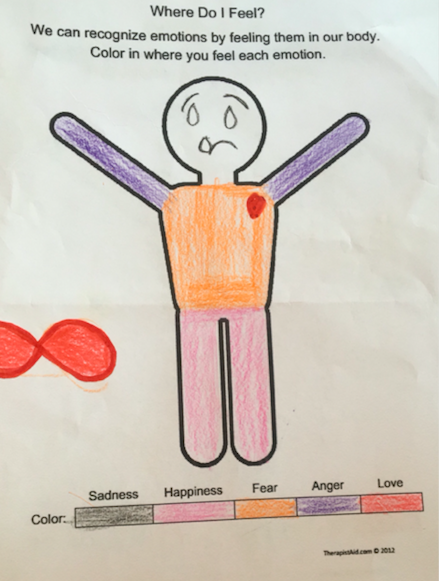
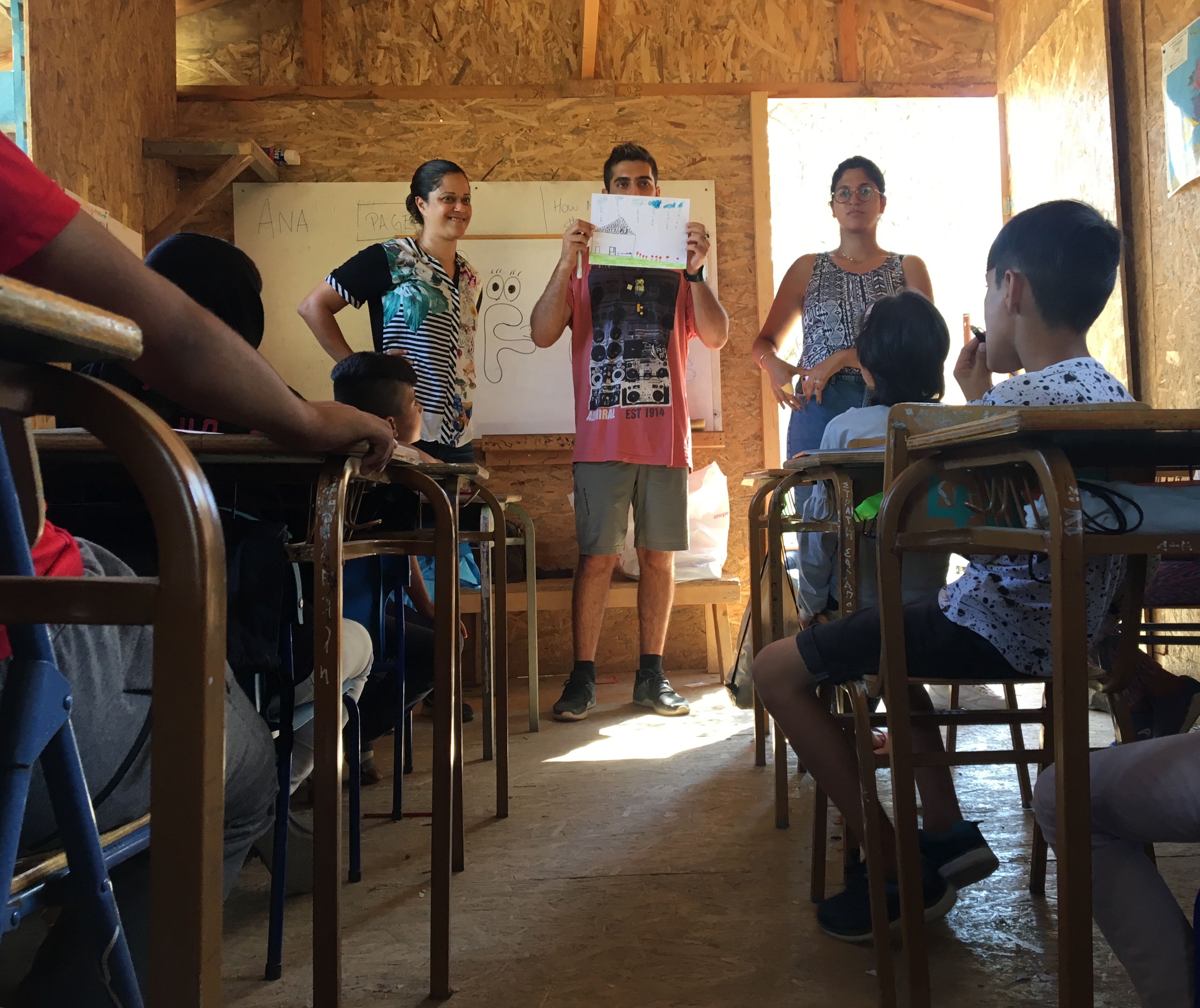
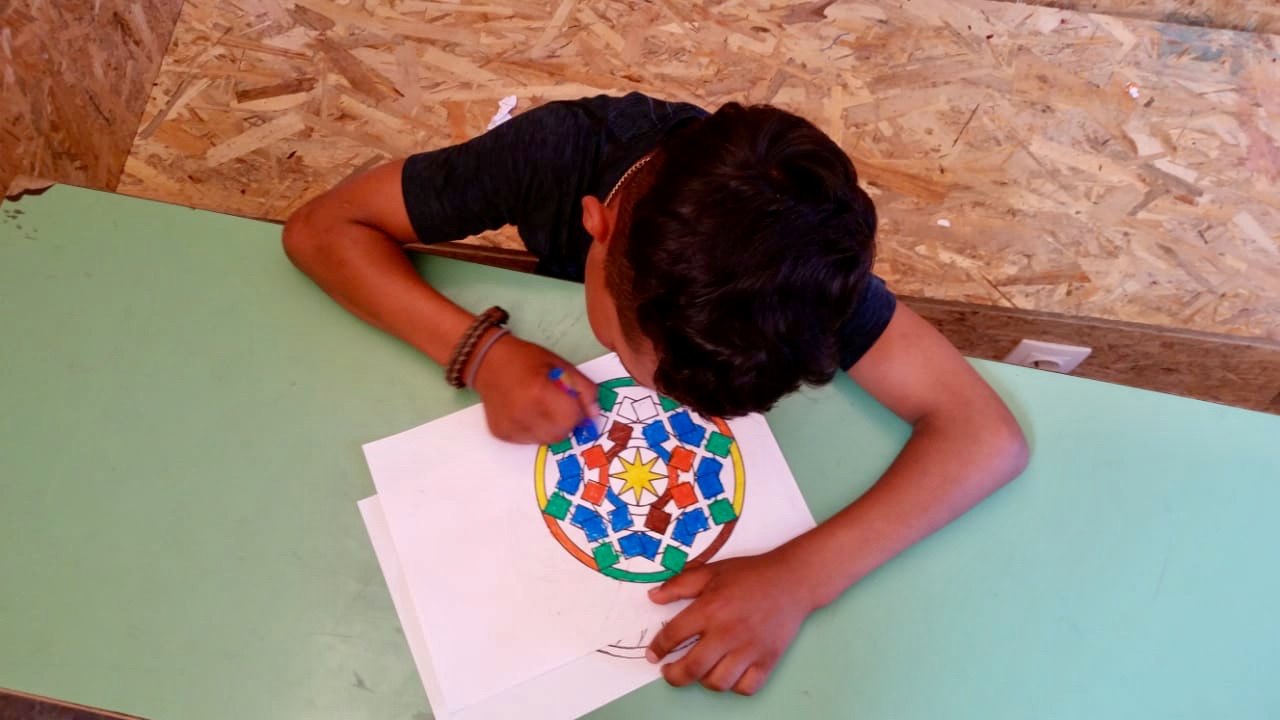
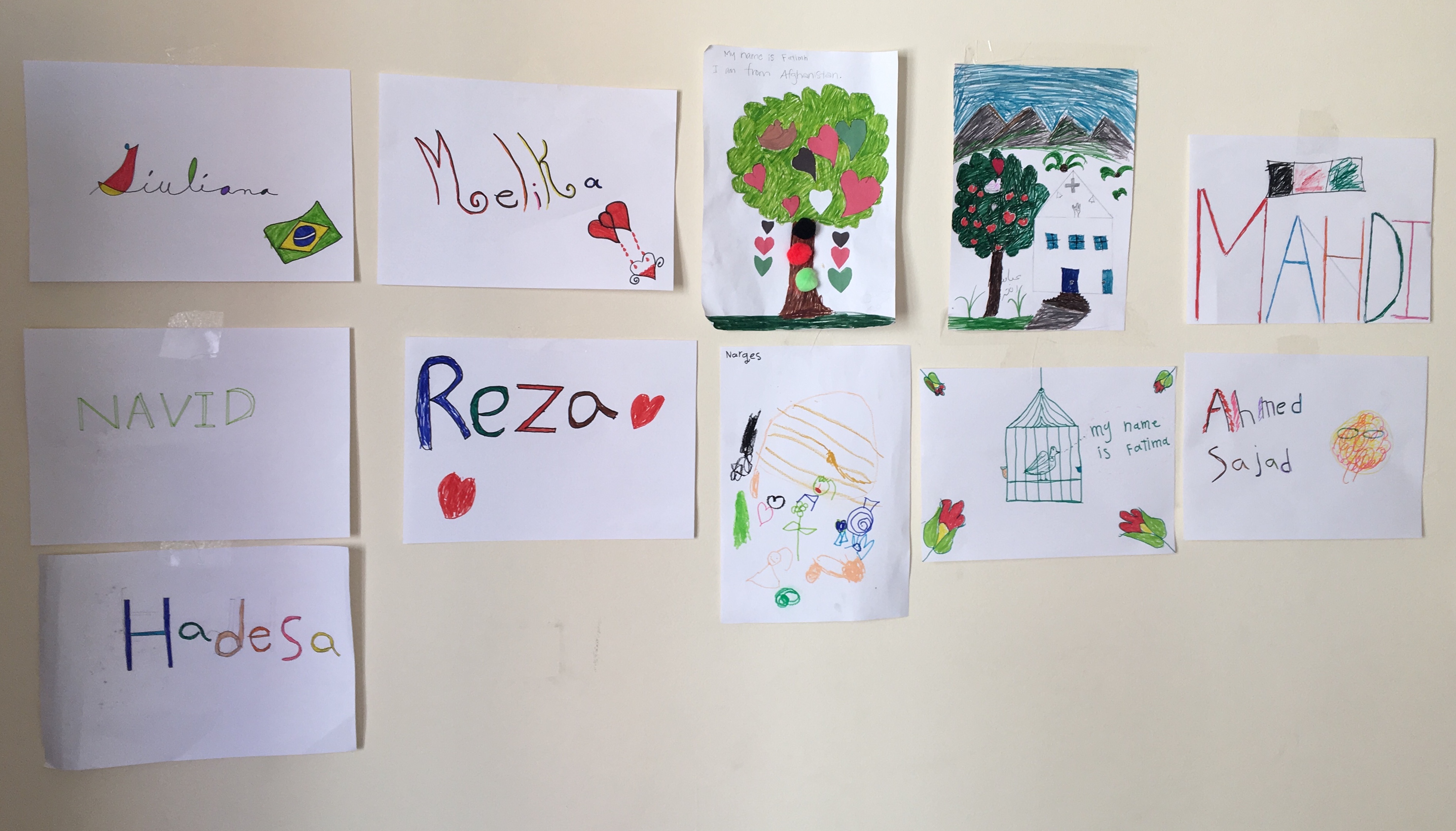
Children learn about psychosomatic symptoms through a drawing exercise

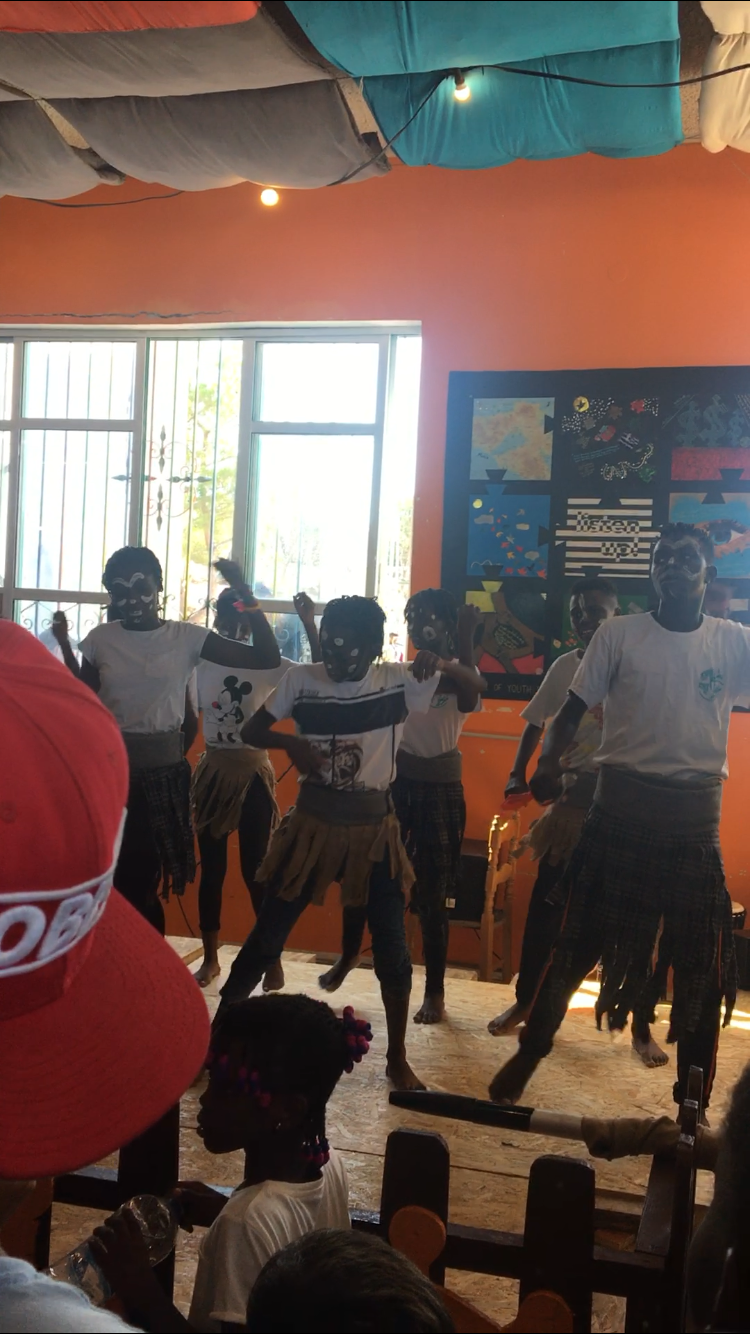
It’s a challenge that looms closer each day, and I’m not exactly sure how I’m going to face it. One thing that’s for sure is that these kids continue to amaze me. Just last week was African Cultures Day at the School of Peace and I got to see my students performing a Congolese dance. I sent a video of it to a friend who replied, “refugee camps on the news are always so depressing… It’s amazing for me to see how happy everybody looks.” And I realized that it was this inside perspective that I have, that one can’t get from the news—the insight into the smiles, courage and strength that these children constantly show me—that I might miss the most. But that’s also something that I will never have to say goodbye to.
snapshots

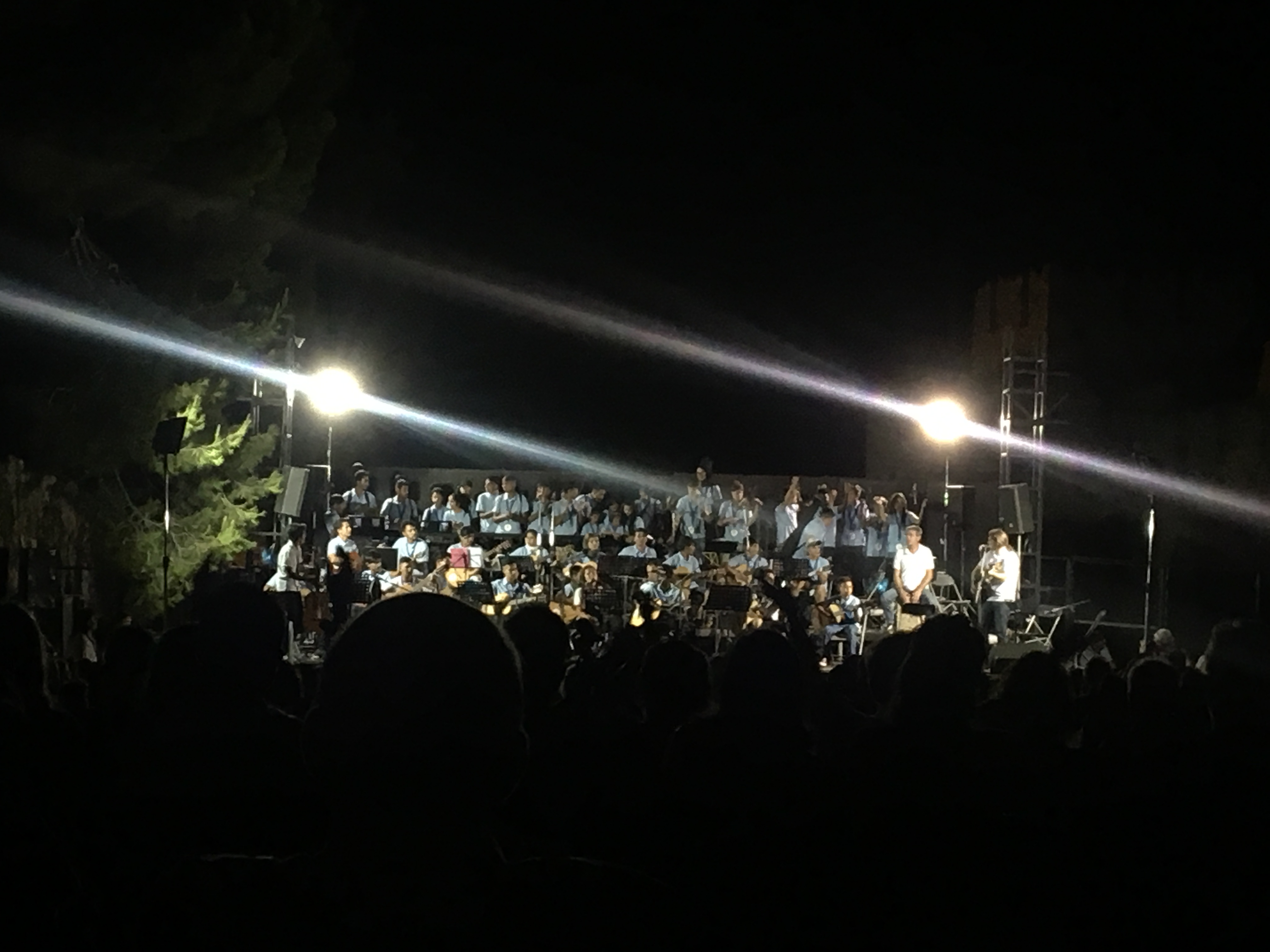
Concert played by musicians from Moria and Karatape camps

An open air concert with musicians from Moria and Karatape refugee camps. A field trip with the School of Peace to a hiking trail in the mountains. Introducing meditation techniques to our art/play therapy programs with the kids. I’m sitting in my apartment with all the widows open, looking out onto the Mytilene port and trying to process everything that I got to be a part of this week. It’s a strange day today; the typical 85 degree heat and relentless sun has been replaced by heavy rains and cool humidity. It’s eerily quiet on the busy street outside my window, but I’m not sure if it’s the weather or just the typical speed for a Sunday morning.

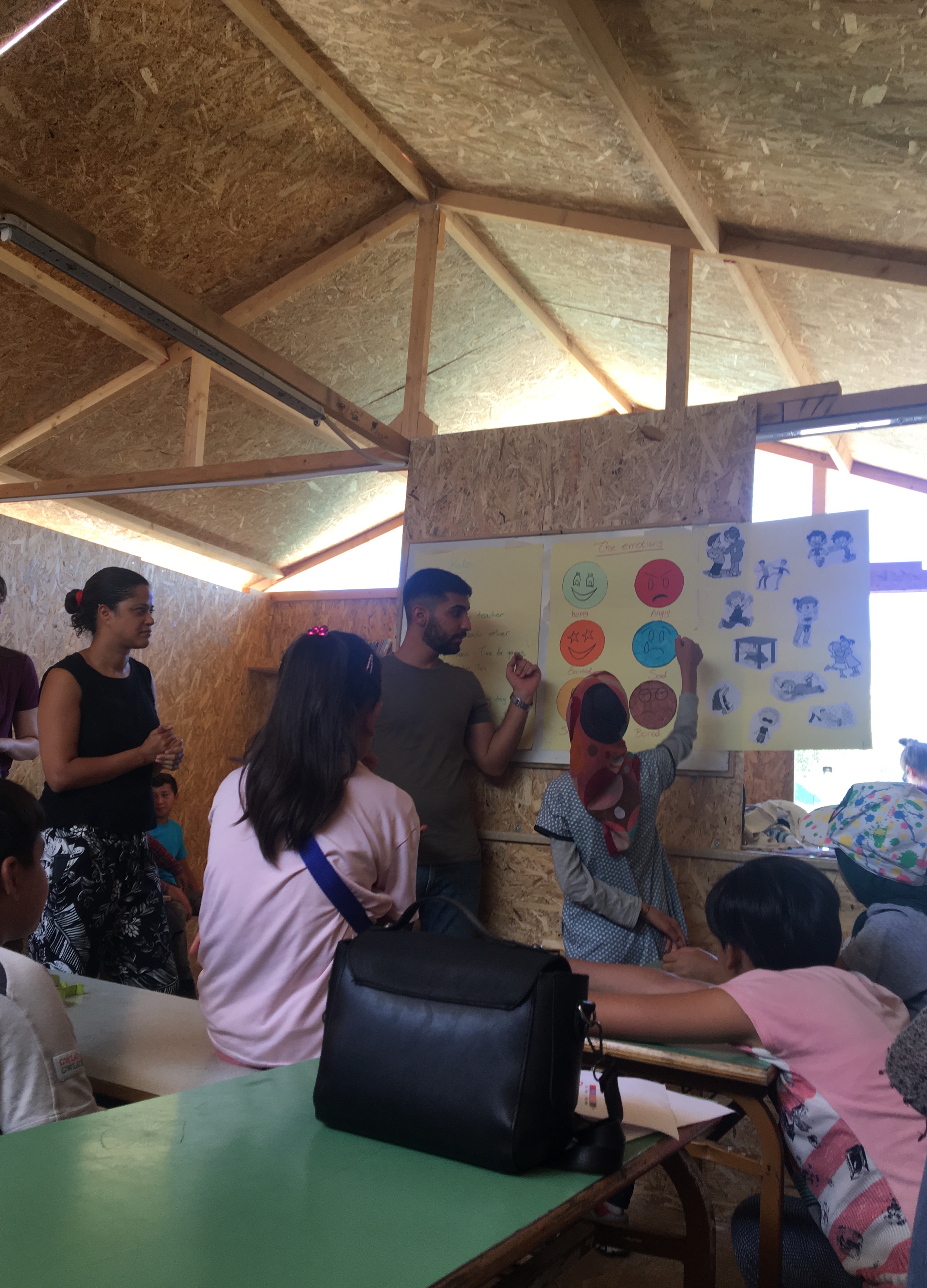
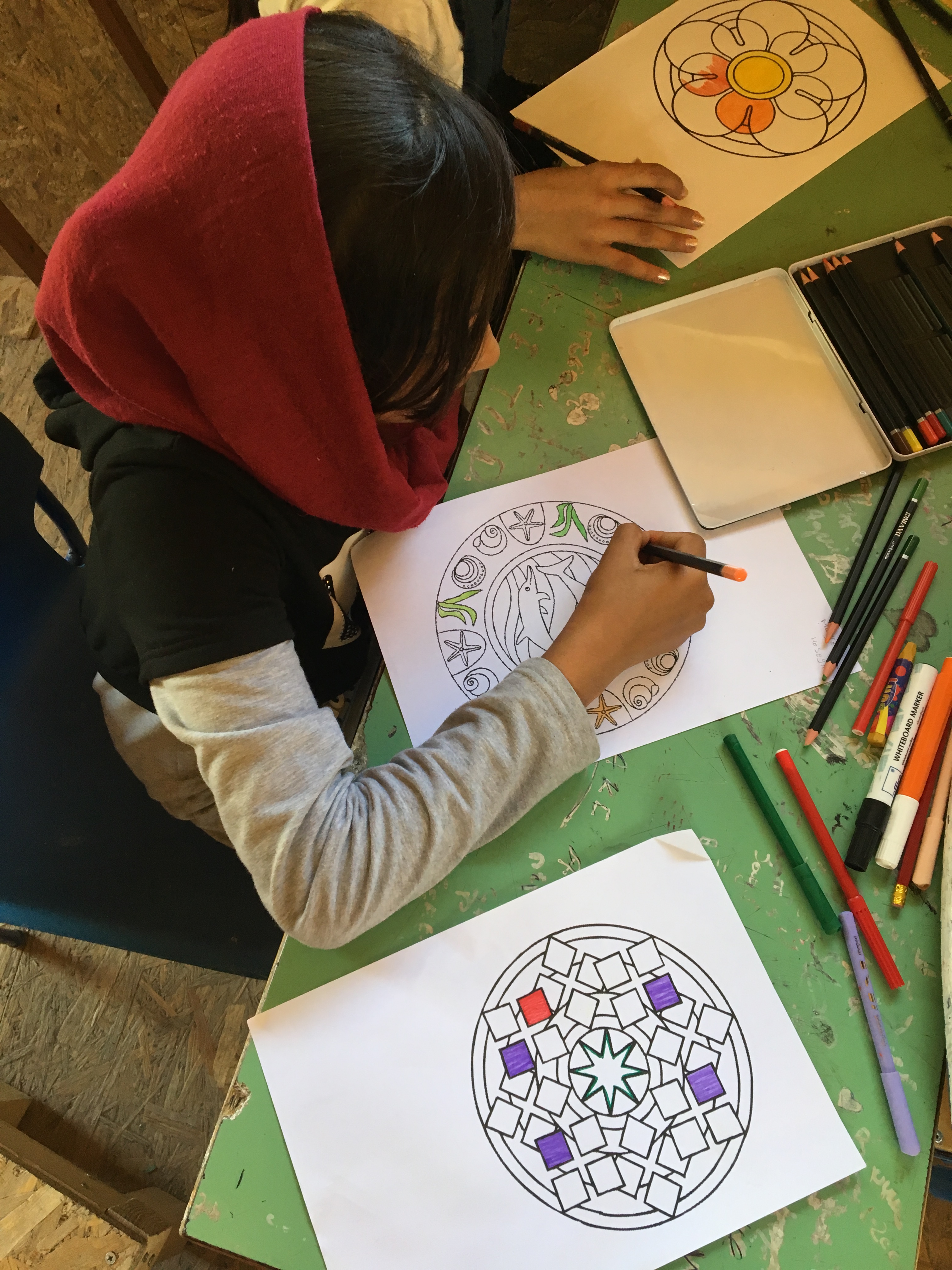
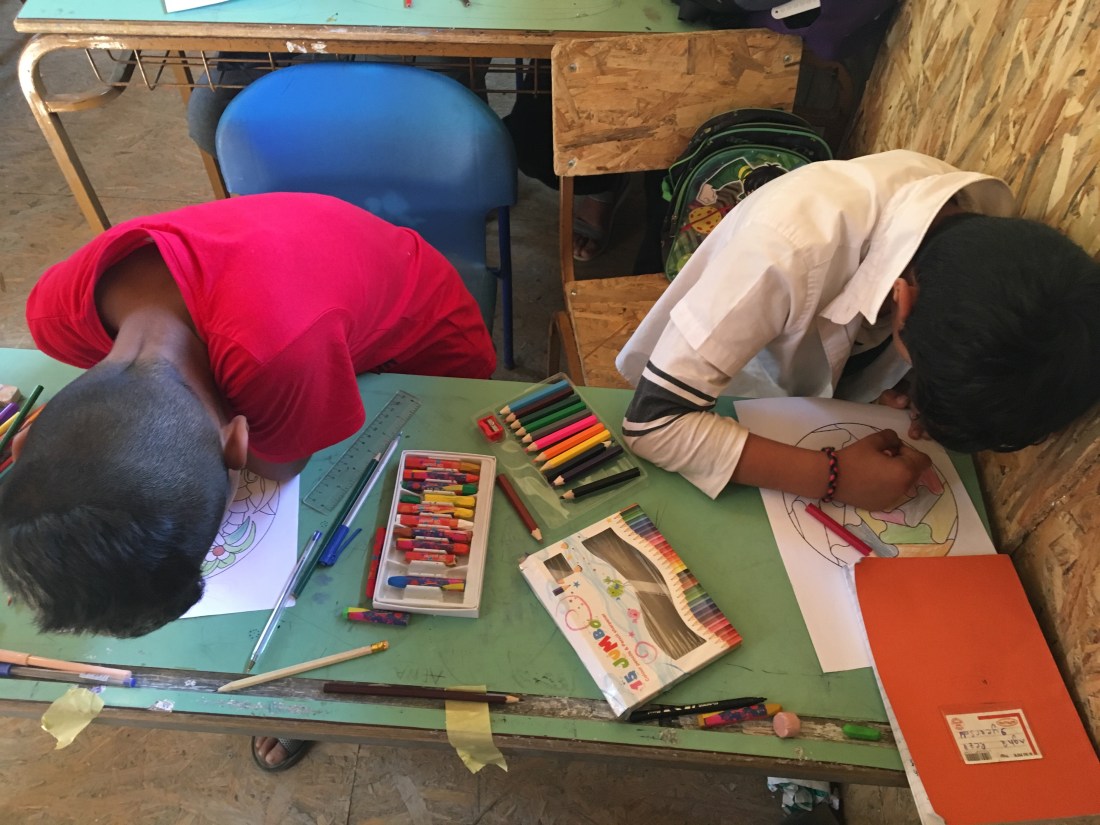
In IsraAID’s children’s art/play therapy programs, we’ve started going beyond just fun and games and introduced psychosocial support. Whether it’s having the kids draw their “happy place”, playing games that activate empathy, teaching techniques for calming down like breathing or meditation, or explaining how coloring mandalas can be a way of relaxing and easing stress, we’re trying to provide basic tools for the kids to be able to regulate their emotions and build up their resilience.

One of the moments during our program this past week that made us all take a pause was when we are establishing the classroom rules. We asked the children, as they sat on plywood benches in a semi-circle, what are some rules that you can think of that would make you feel safe in the classroom? We had expected suggestions along the lines of “no fighting”, “listen to the teacher”, etc. But the first student to raise his hand, one of the most rambunctious and mischievous of the bunch, said thoughtfully, “I don’t think we need any rules because I already feel safe in the classroom”. Another boy raised his hand to say that he also felt safe here because he had recently heard that a school had been bombed in Afghanistan. In other words, despite all the challenges, we had accomplished one of the many things that we had hoped; to create a safe space. Like our program director here in Lesvos put it, “Most of the time, these kids don’t feel safe. Living in Moria, that’s just the reality. So for two hours a week, we are giving them safety, we are giving them normalcy. We aren’t going to fix Moria. But we’re going to do our best to fix everything else.”

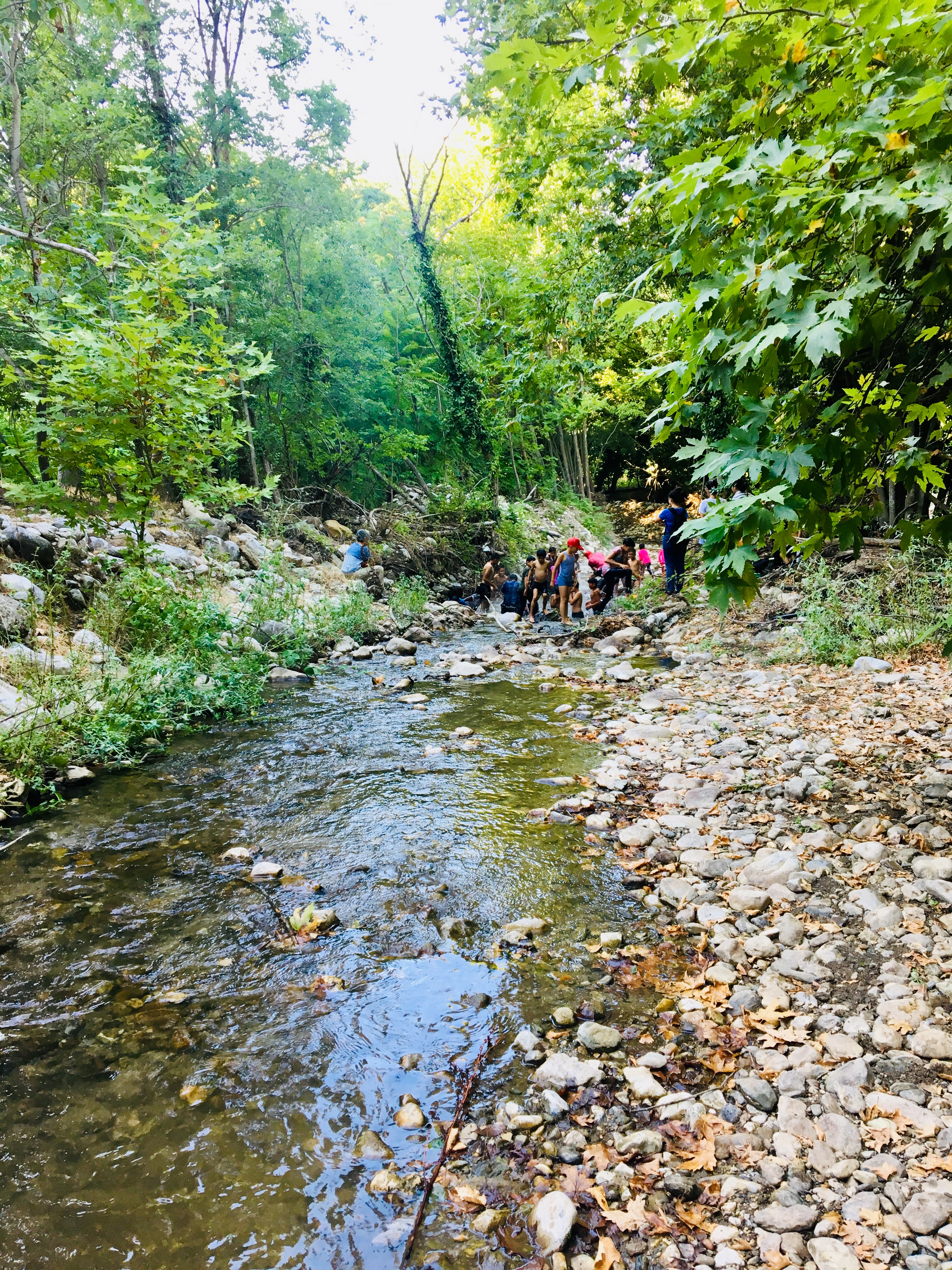
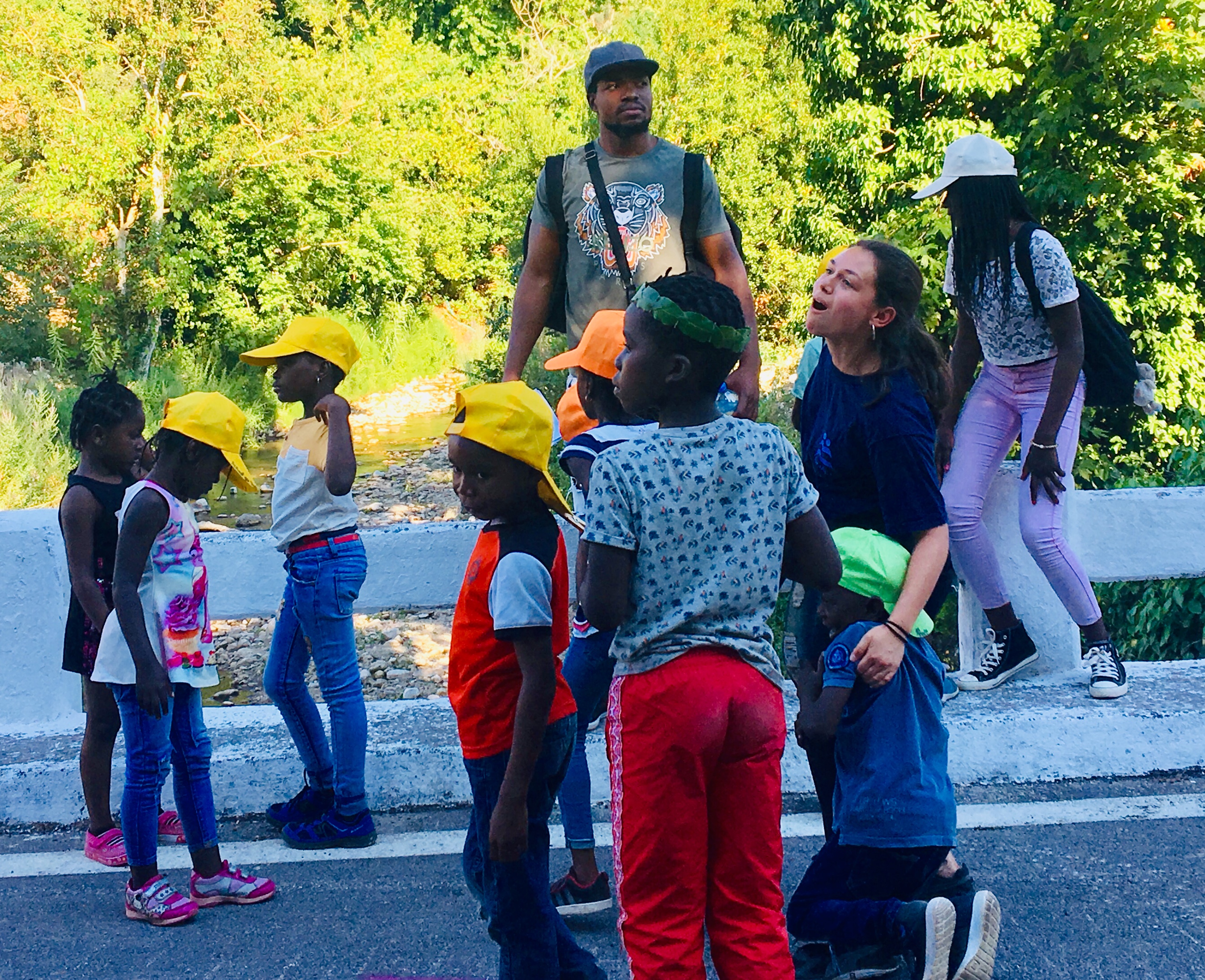
Children from the School of Peace cool down from their hike in a stream
My face = what it’s like supervising this trip, in a nutshell

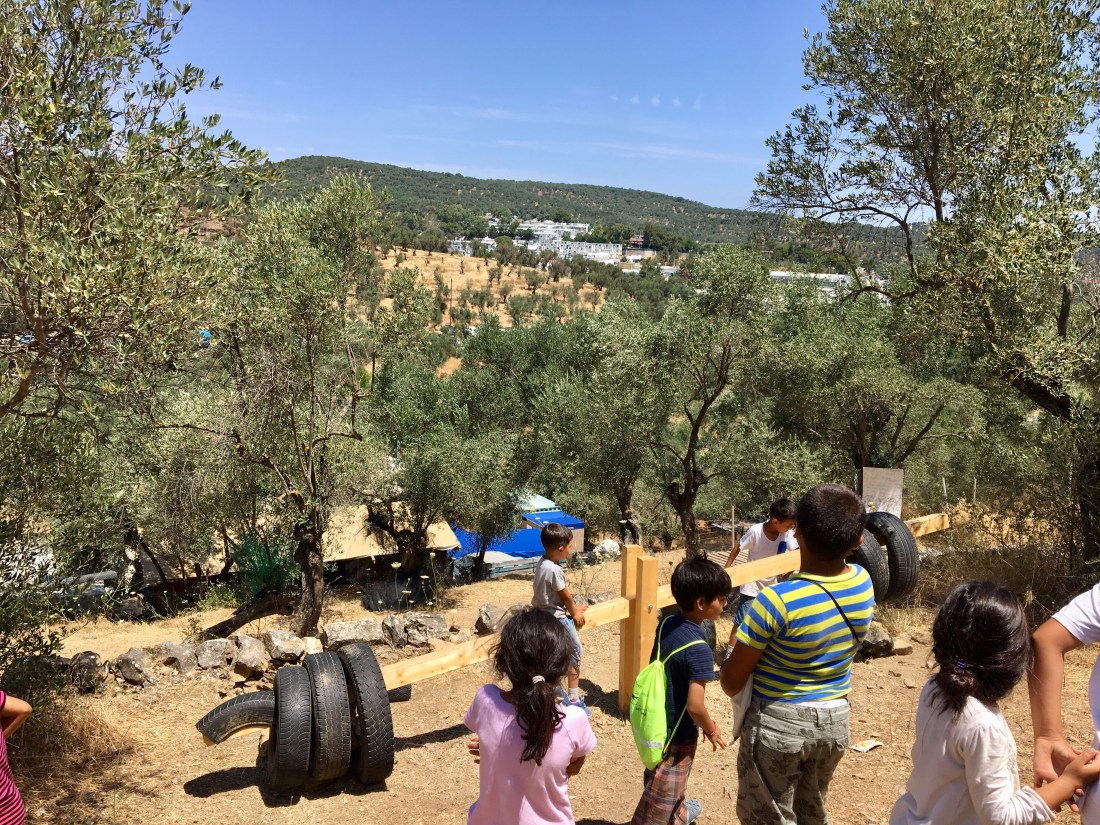
I was also fortunate enough to be a part of a couple other things this week: a field trip with the students of the School of Peace and an open air concert performed by musicians trained in the Moria and Karatape camps. There was one moment on the field trip that was completely surreal to me: after arriving in the mountains and going though an activity circuit that included yoga, tag, and storytelling, we hiked with the kids until we finally arrived at a stream. In a flurry of movement, suddenly there were tens of Syrian, Afghan, Iranian, Iraqi, Congolese and Angolan kids splashing, screaming, and jumping in the freezing water. It was insanely fun (+ absolutely exhausting) and I felt pretty lucky to be there with them.

the kids are alright

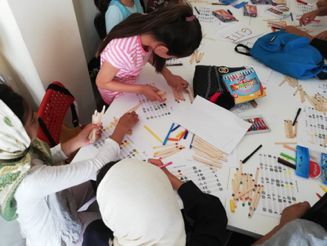
“My friend, my friend!” The sound of children calling for my attention from all corners of the room causes my head to spin. Sound ricochets off the walls and the classroom is a flurry of color and movement; colored markers and pastels get passed around as the children finally begin to settle down and concentrate on coloring their mandalas. 

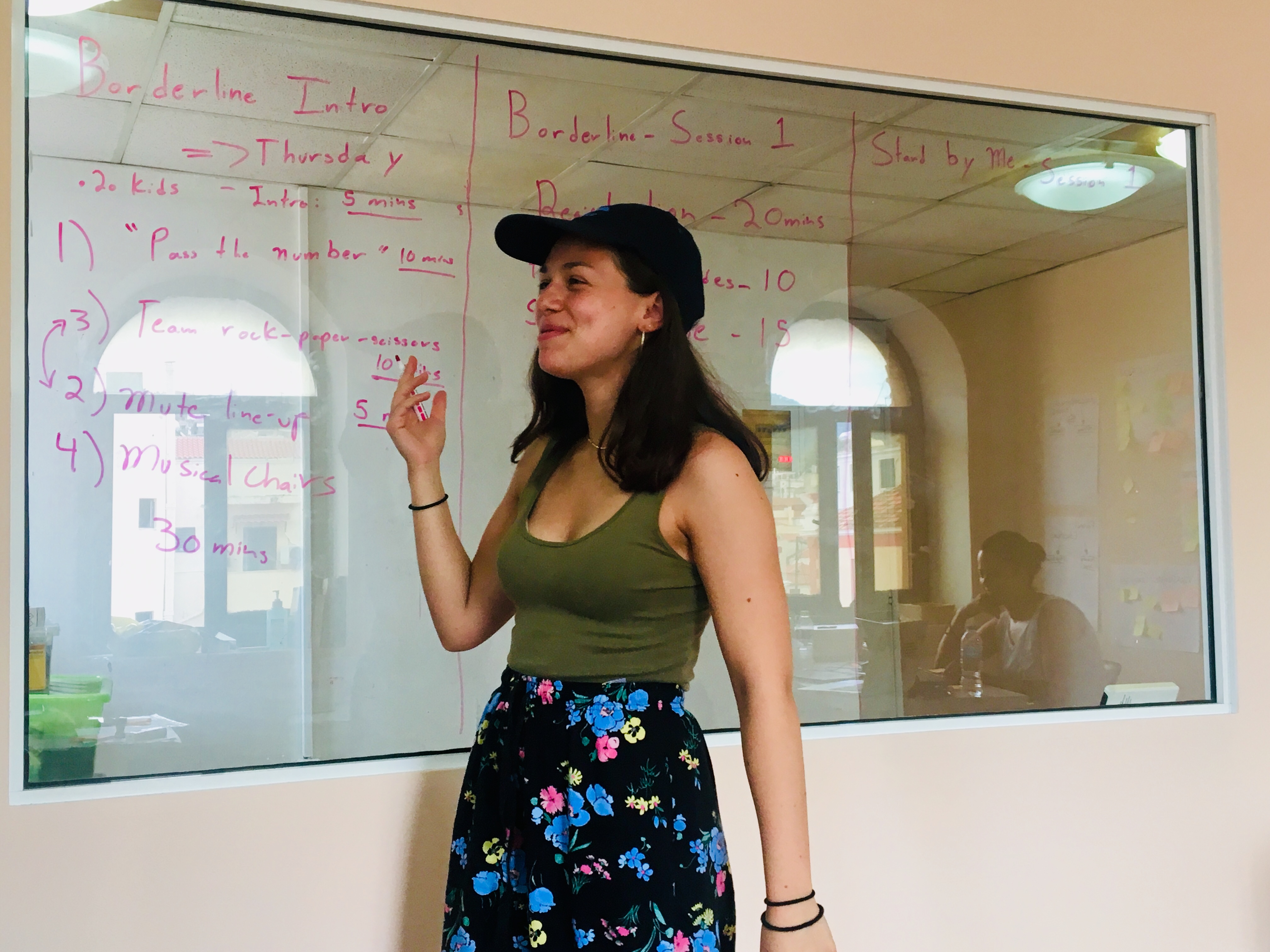
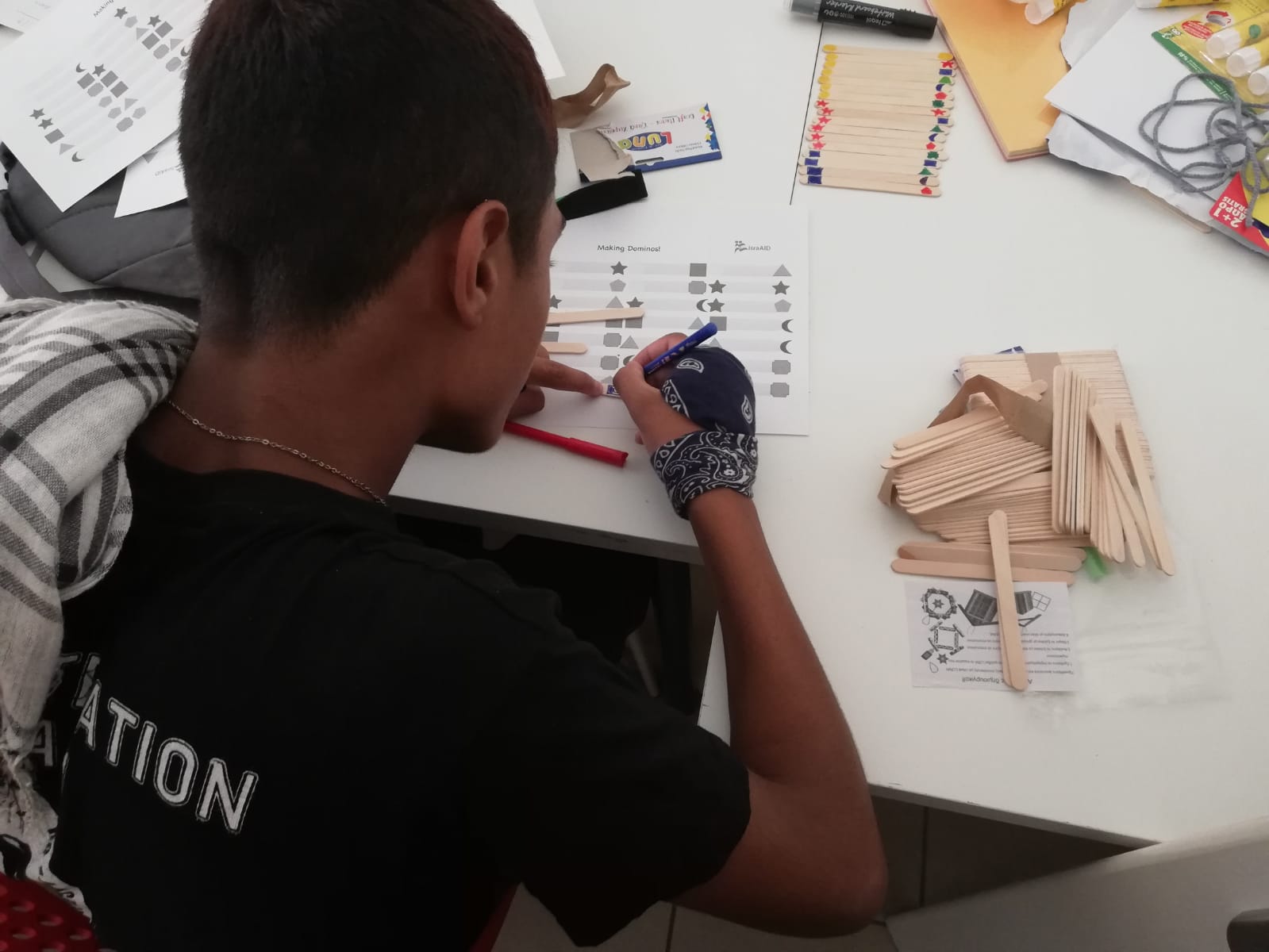
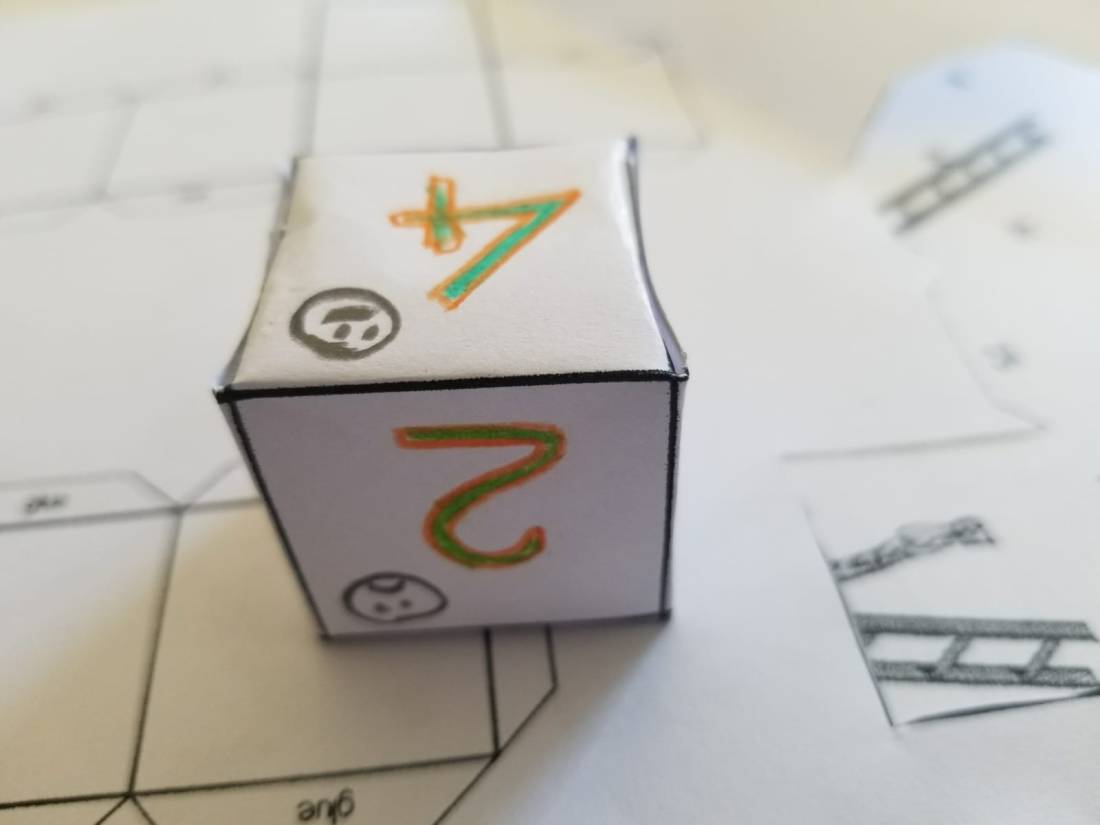
The past two weeks of careful planning have finally paid off. Between finding games like beach-sand and arts and crafts like popsicle-stick-dominos, we had impeccably planned three 1.5-hour art/play-therapy sessions of pure fun and learning at two different refugee schools. Was it complete chaos? Absolutely. Did we have to change our careful planning at the last minute? But of course. Did the kids have fun? You better believe it. 

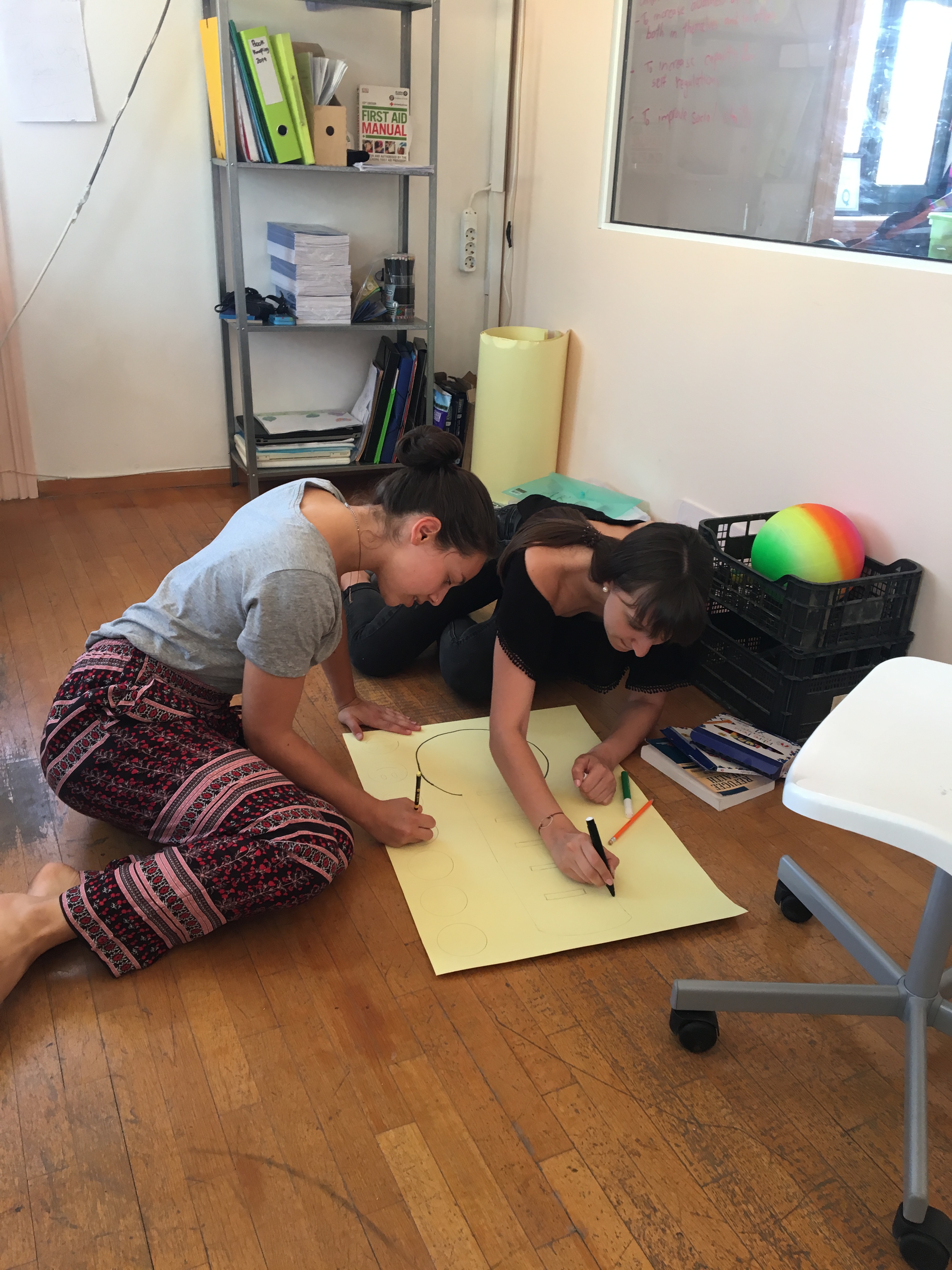
Me at IsraAID Lesvos HQ building the children’s sessions

The truth is, there are just so many unexpected elements when working in this kind of environment. From the difficulty of getting accurate translations (we were working with predominantly Farsi-speaking kids) to the fact that children with trauma will often develop ADHD, to the unexpected drop-ins (we had anticipated 20 kids and around 50 showed up), there were tons of adjustments that had to be made. But after going back to the drawing board and redesigning certain aspects of our sessions, it was like a light switch had been flipped; kids started following directions, the craziness (and volume) level went down, we got through more activities and you could tell that the parents who peeked into the classroom were enjoying watching their kids play. Oh, and the experience of playing with the kids—seeing them laugh and helping them to create art work and games that they could take home—made everything worth it every time. 

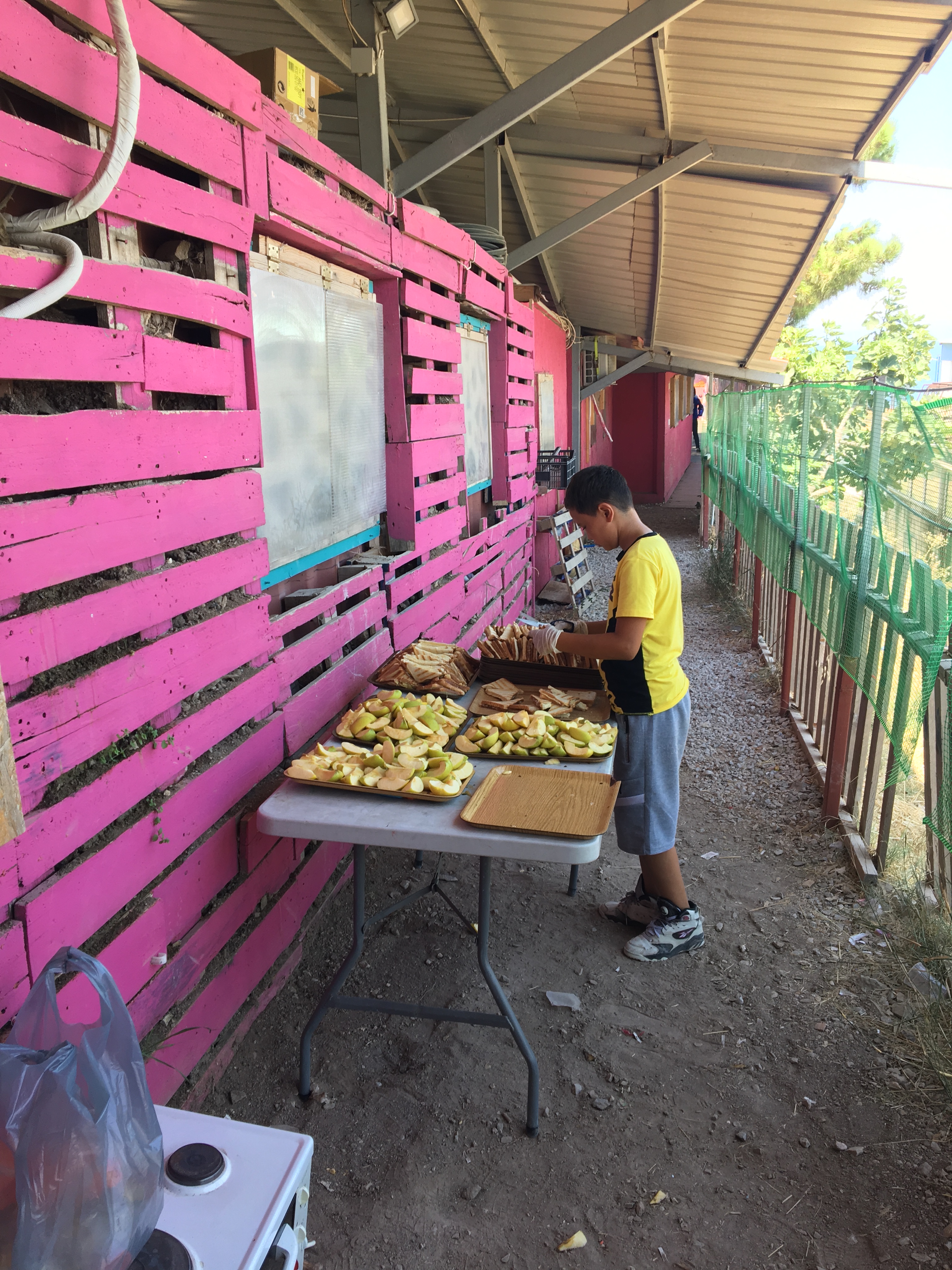
Students help to prepare the noon snack of apples and grilled cheese

I also continue to volunteer with the Congolese kids at the School of Peace. The teacher who I work most closely with shared with me how he had studied and gotten his degree in electrical engineering in the Congo. Two years ago, he decided to search for a safe home and a stable job in Europe, leaving his wife and children behind with the hopes of sending for them later. After living in Turkey for four months without finding work and feeling generally ostracized, he decided that it was time to move on to Europe and made the decision of crossing the sea. But like many before him, he got stuck awaiting asylum processing in the Moria refugee camp. However, like he shared with our class during a story-telling activity, “When I got here, I saw that I could do good and be useful by working with children in the school, and if I hadn’t, then I wouldn’t have met all of you wonderful kids.”

Between the laughter, the piggyback rides and the breaking up of arguments, it’s incredibly easy to forget why this school exists in the first place: the refugee crisis, and the fact that most of these kids return to the Moria camp at night. And yet unlike other kids, these are markedly different; they talk nonchalantly about travel by dinghy, i.e. the small lifeboat that makes the dangerous crossing between Turkey and Greece. They laugh about the “ferociousness” of the flies that bite in the Moria refugee camp. And despite all that, nothing captures their attention each week like the possibility of receiving the “student of the week” badge, accompanied by a small plastic (often Disney-inspired) toy that they get to take home. Despite their hardships, these kids still get to be kids. And that my friends, is what resilience looks like.