
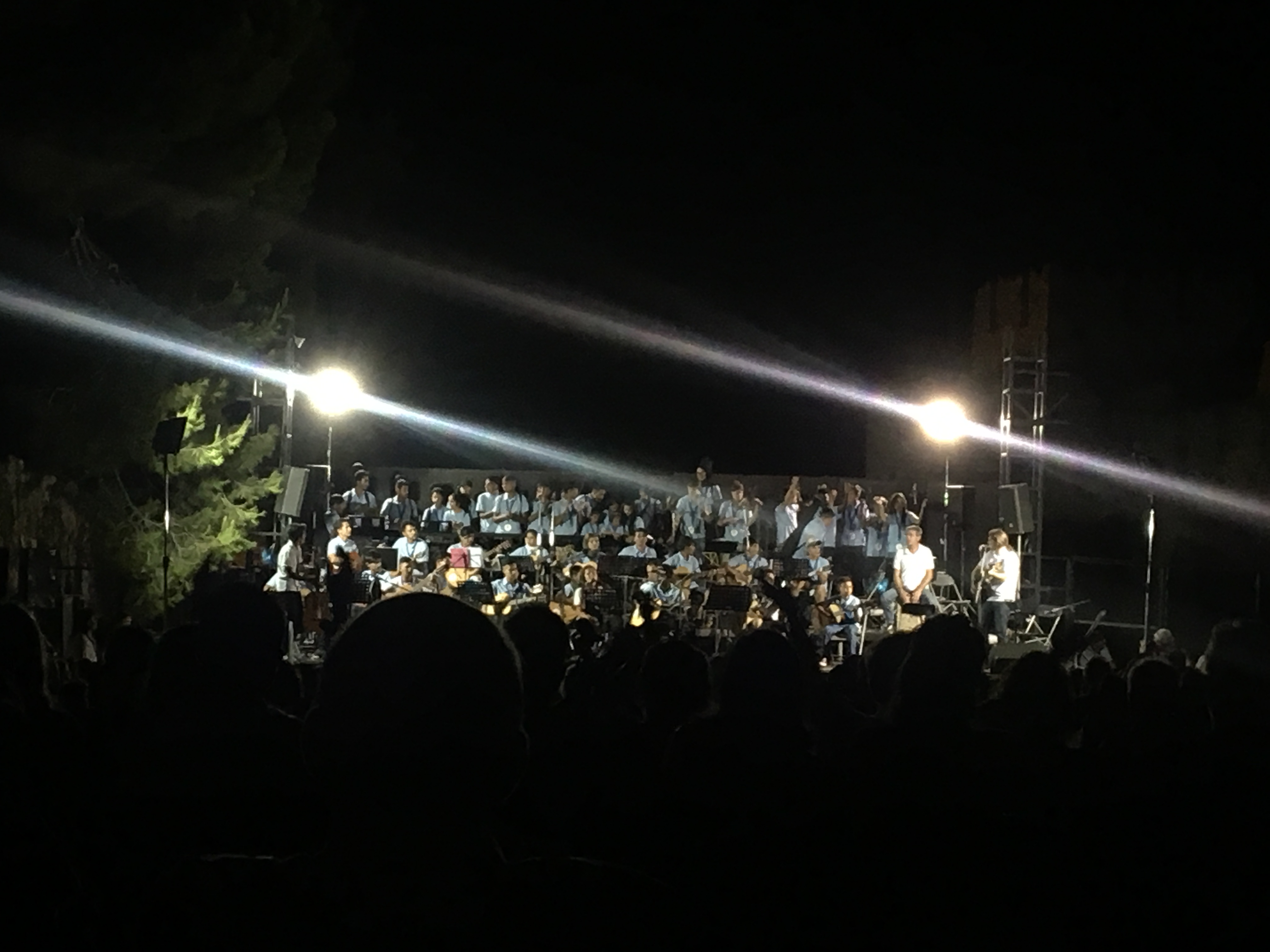
An open air concert with musicians from Moria and Karatape refugee camps. A field trip with the School of Peace to a hiking trail in the mountains. Introducing meditation techniques to our art/play therapy programs with the kids. I’m sitting in my apartment with all the widows open, looking out onto the Mytilene port and trying to process everything that I got to be a part of this week. It’s a strange day today; the typical 85 degree heat and relentless sun has been replaced by heavy rains and cool humidity. It’s eerily quiet on the busy street outside my window, but I’m not sure if it’s the weather or just the typical speed for a Sunday morning.
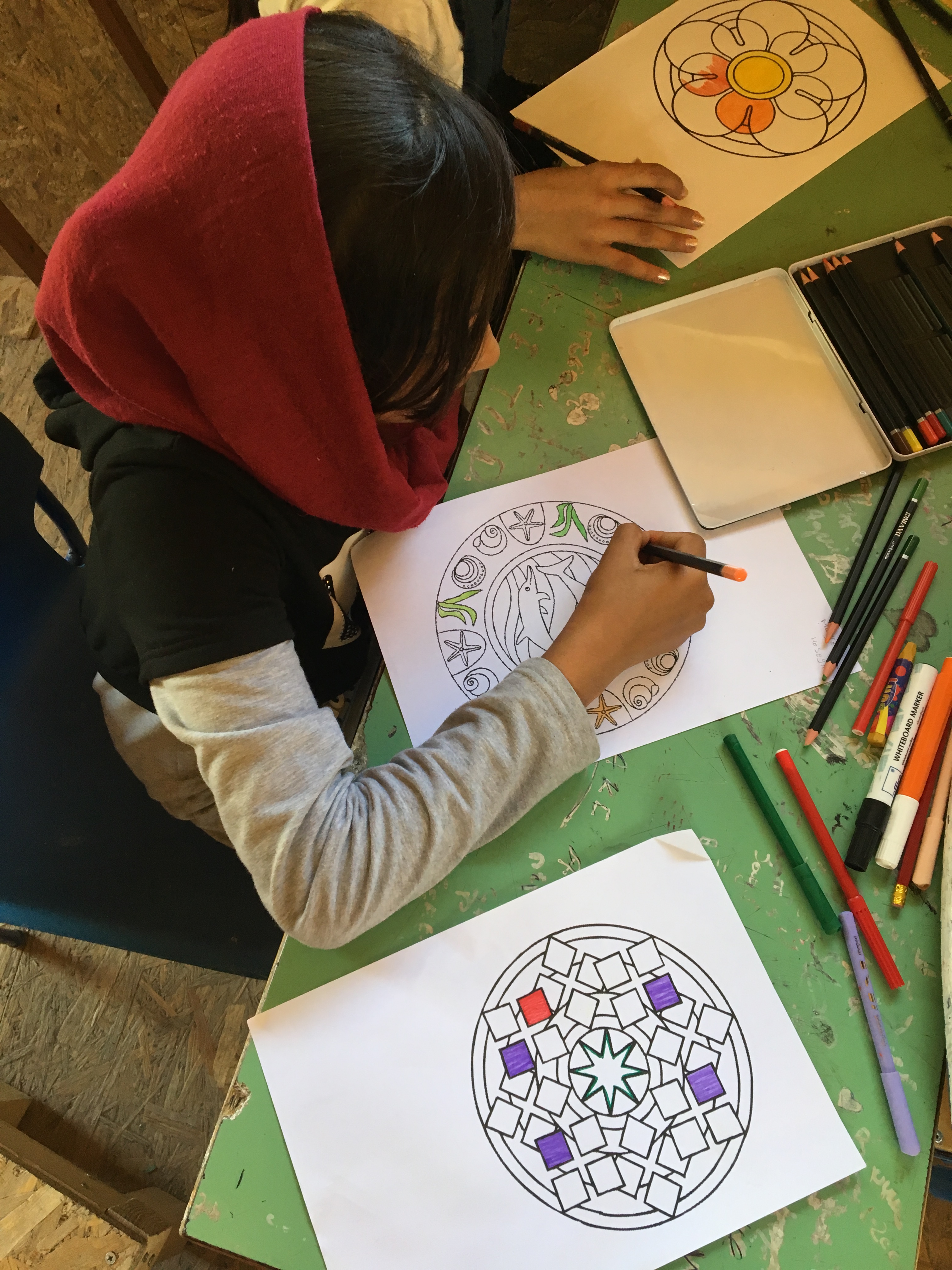
In IsraAID’s children’s art/play therapy programs, we’ve started going beyond just fun and games and introduced psychosocial support. Whether it’s having the kids draw their “happy place”, playing games that activate empathy, teaching techniques for calming down like breathing or meditation, or explaining how coloring mandalas can be a way of relaxing and easing stress, we’re trying to provide basic tools for the kids to be able to regulate their emotions and build up their resilience.
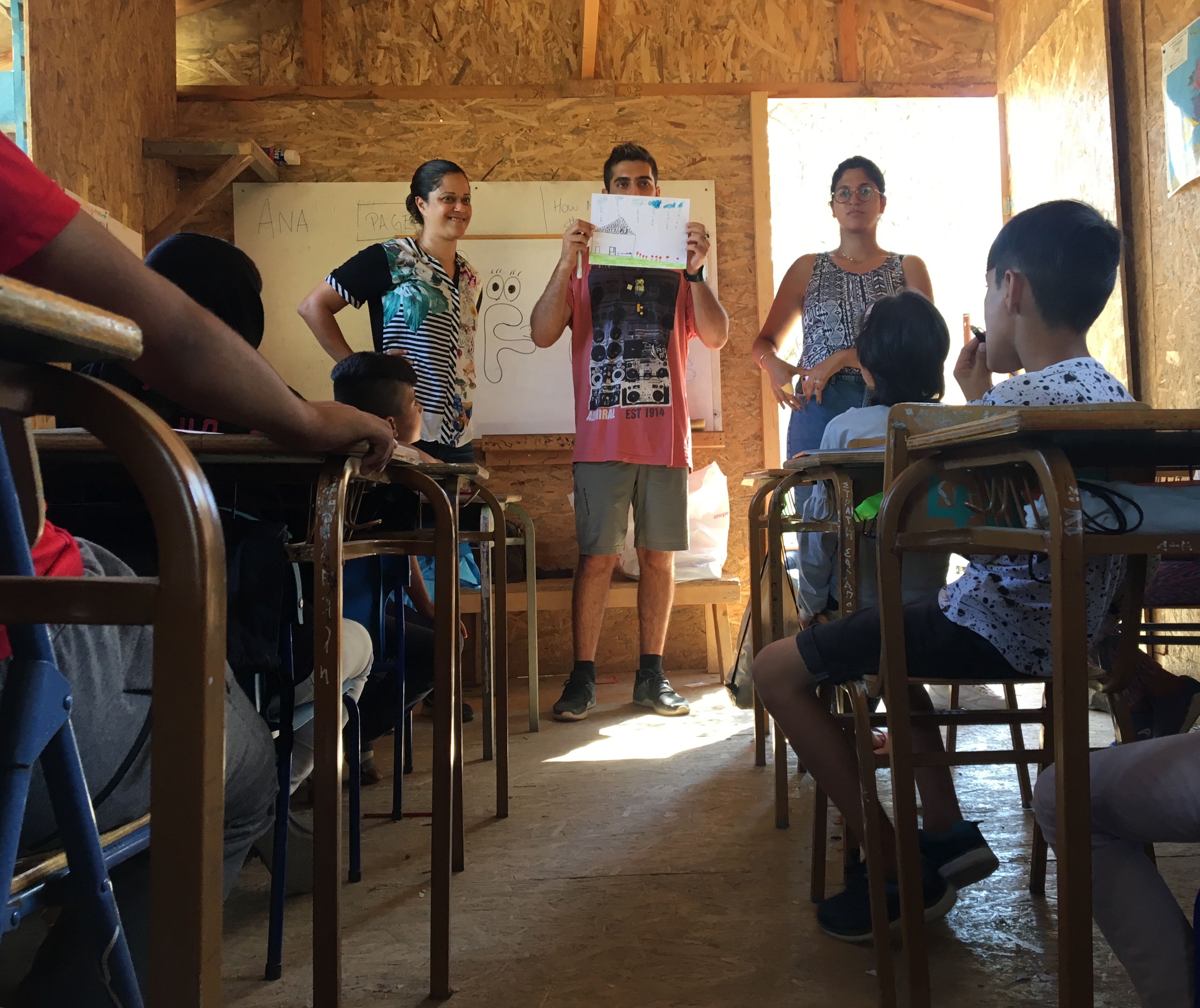
One of the moments during our program this past week that made us all take a pause was when we are establishing the classroom rules. We asked the children, as they sat on plywood benches in a semi-circle, what are some rules that you can think of that would make you feel safe in the classroom? We had expected suggestions along the lines of “no fighting”, “listen to the teacher”, etc. But the first student to raise his hand, one of the most rambunctious and mischievous of the bunch, said thoughtfully, “I don’t think we need any rules because I already feel safe in the classroom”. Another boy raised his hand to say that he also felt safe here because he had recently heard that a school had been bombed in Afghanistan. In other words, despite all the challenges, we had accomplished one of the many things that we had hoped; to create a safe space. Like our program director here in Lesvos put it, “Most of the time, these kids don’t feel safe. Living in Moria, that’s just the reality. So for two hours a week, we are giving them safety, we are giving them normalcy. We aren’t going to fix Moria. But we’re going to do our best to fix everything else.”
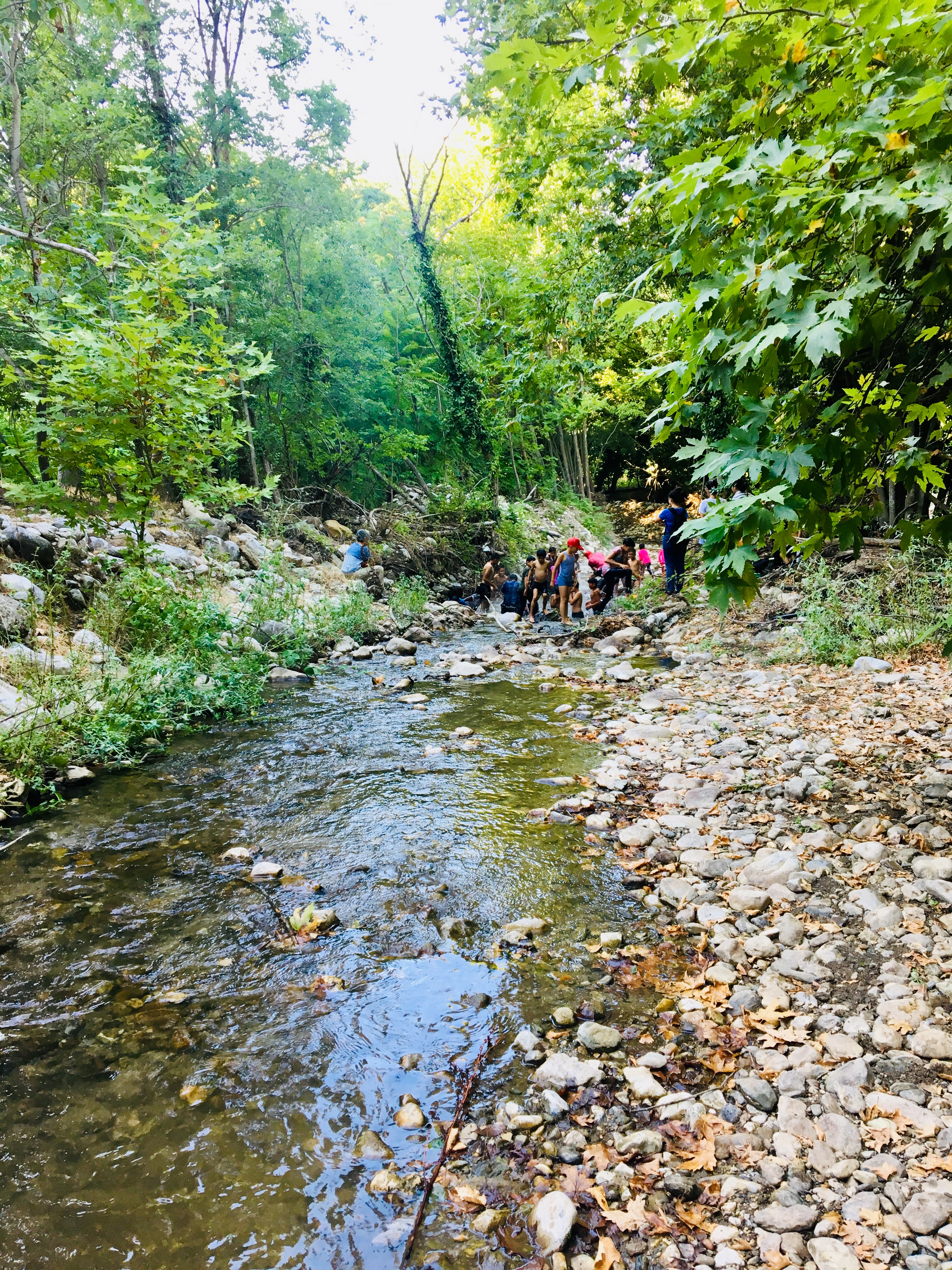
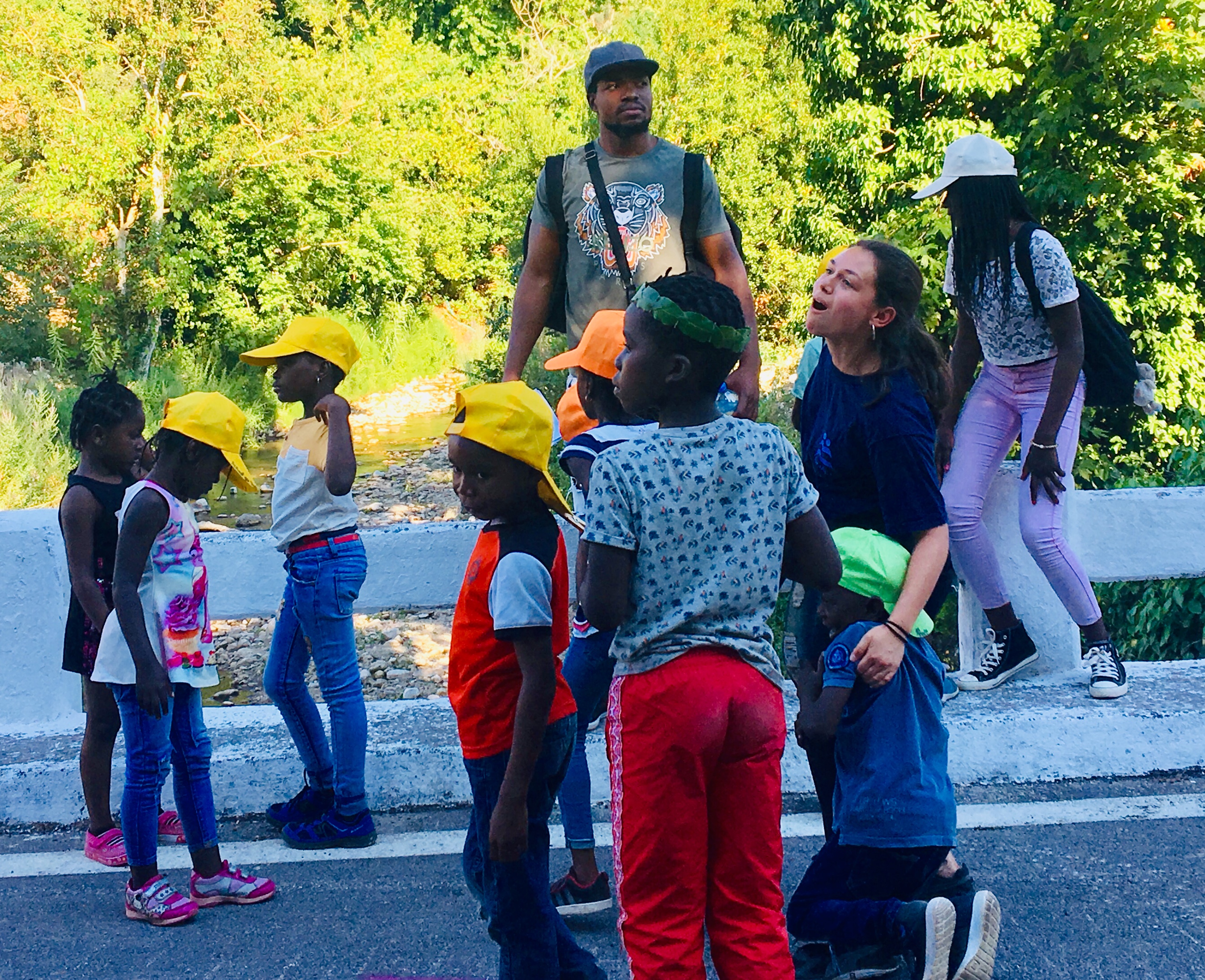
I was also fortunate enough to be a part of a couple other things this week: a field trip with the students of the School of Peace and an open air concert performed by musicians trained in the Moria and Karatape camps. There was one moment on the field trip that was completely surreal to me: after arriving in the mountains and going though an activity circuit that included yoga, tag, and storytelling, we hiked with the kids until we finally arrived at a stream. In a flurry of movement, suddenly there were tens of Syrian, Afghan, Iranian, Iraqi, Congolese and Angolan kids splashing, screaming, and jumping in the freezing water. It was insanely fun (+ absolutely exhausting) and I felt pretty lucky to be there with them.
 Inside IsraAID Greece
I am in awe every time I read your blog. I have so much to learn from you.
LikeLike