

One of the myths that needs to be done away with is that refugees are helpless victims; that they are simply receptacles of aid, medical and psychological treatment. This may seem like an obvious truth, but in practice it’s often disregarded. Refugees that had the ability and resources to escape from the conflict in their homeland are (in comparison to those still internally displaced) a privileged few, and often educated doctors, teachers, lawyers. And yet, humanitarian aid organizations commonly implement programs that disempower them, feeding a cycle of helplessness.
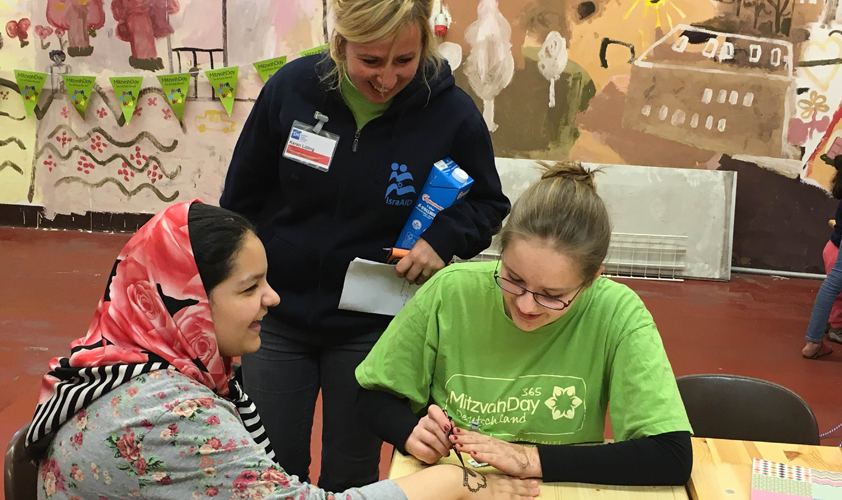
I’m putting this out there because during my fellowship in Lesvos (starting 1 week from now!), one of my main responsibilities will be assisting in the development of psychosocial support programs for women and children—in particular, art therapy. This is very, very exciting for me as I’ve been studying art therapy for the past semester and as an artistic person myself, I’m thrilled to be able to leverage some of my personal skills/hobbies to help create a safe and artistic space where refugees can express themselves creatively.
HOWEVER, any mental health program created by an aid organization has got to invest in increasing the capacities of refugees themselves to manage their own mental conditions (yes, we’re having another ethics lesson). It’s super important to invest in the survivor’s resilience and capability to recover and build on their personal strengths and resources to develop their own approach to deal with difficulties (Almoshmosh, 58).
Why is it so important to empower refugees? Because the sense of helplessness in survivors can worsen their suffering and psychological deterioration (56). For example, depression can result from a perceived absence of control over the outcome of a stressful situation. This learned helplessness in itself can contribute to poor health where people may neglect their diet, exercise, and medical treatment, falsely believing they have no power to change. It is therefore crucial to encourage individuals to try and take a more active role in maintaining their wellbeing and health in order to minimize falling into hopelessness (56).
So returning to my future art therapy assignment, it’s super important for me (and pretty much anyone) to ensure that whatever programs I help create, I take into consideration the social context of refugees while recognizing their agency in rebuilding their own lives. Also I can’t forget to mention that I am not a white savior who is doing humanitarian work to feel good about myself. I am going to Lesvos to learn about and facilitate sustainable psychosocial support programs on the terms of the beneficiaries. That being said, I can’t wait to get started:)
Source: Almoshmosh, Nadim. “The role of war trauma survivors in managing their own mental conditions, Syria civil war as an example.” Avicenna journal of medicine vol. 6,2 (2016): 54-9. doi:10.4103/2231-0770.179554Source:
 Inside IsraAID Greece