myth buster

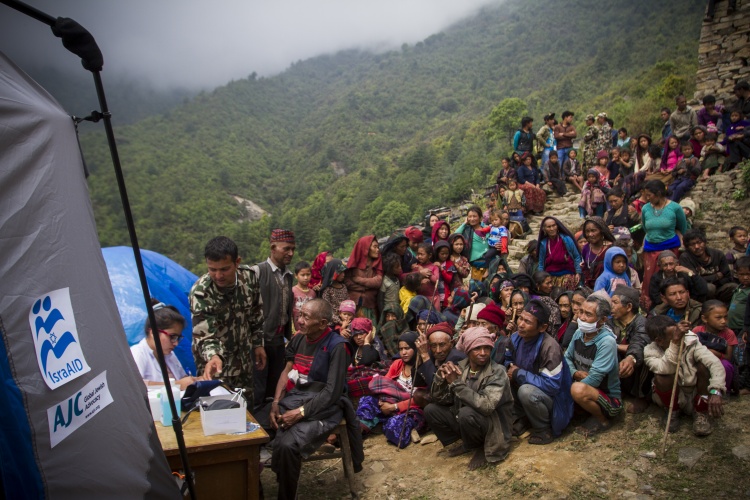
One of the myths that needs to be done away with is that refugees are helpless victims; that they are simply receptacles of aid, medical and psychological treatment. This may seem like an obvious truth, but in practice it’s often disregarded. Refugees that had the ability and resources to escape from the conflict in their homeland are (in comparison to those still internally displaced) a privileged few, and often educated doctors, teachers, lawyers. And yet, humanitarian aid organizations commonly implement programs that disempower them, feeding a cycle of helplessness.
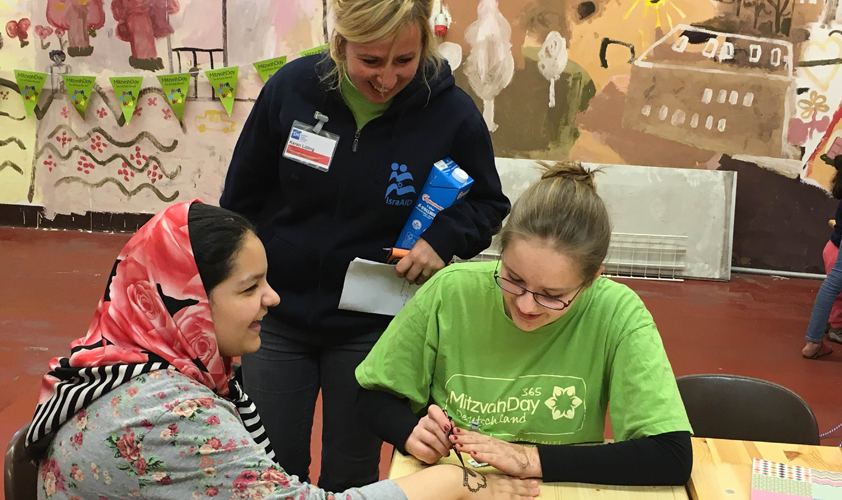
I’m putting this out there because during my fellowship in Lesvos (starting 1 week from now!), one of my main responsibilities will be assisting in the development of psychosocial support programs for women and children—in particular, art therapy. This is very, very exciting for me as I’ve been studying art therapy for the past semester and as an artistic person myself, I’m thrilled to be able to leverage some of my personal skills/hobbies to help create a safe and artistic space where refugees can express themselves creatively.

HOWEVER, any mental health program created by an aid organization has got to invest in increasing the capacities of refugees themselves to manage their own mental conditions (yes, we’re having another ethics lesson). It’s super important to invest in the survivor’s resilience and capability to recover and build on their personal strengths and resources to develop their own approach to deal with difficulties (Almoshmosh, 58).
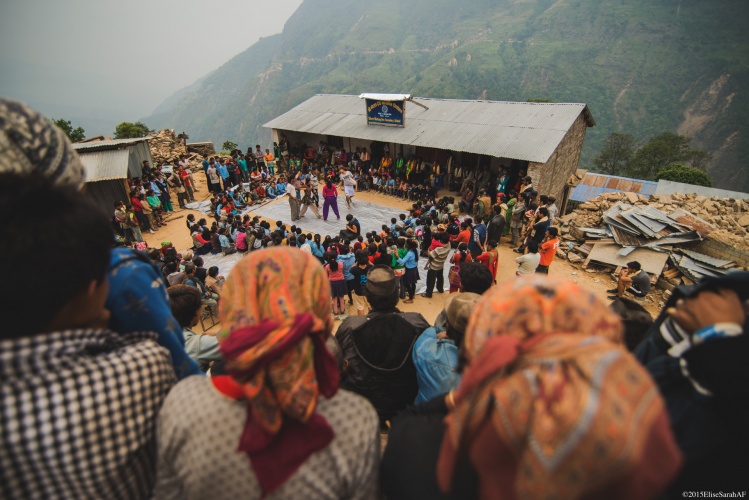
Why is it so important to empower refugees? Because the sense of helplessness in survivors can worsen their suffering and psychological deterioration (56). For example, depression can result from a perceived absence of control over the outcome of a stressful situation. This learned helplessness in itself can contribute to poor health where people may neglect their diet, exercise, and medical treatment, falsely believing they have no power to change. It is therefore crucial to encourage individuals to try and take a more active role in maintaining their wellbeing and health in order to minimize falling into hopelessness (56).

So returning to my future art therapy assignment, it’s super important for me (and pretty much anyone) to ensure that whatever programs I help create, I take into consideration the social context of refugees while recognizing their agency in rebuilding their own lives. Also I can’t forget to mention that I am not a white savior who is doing humanitarian work to feel good about myself. I am going to Lesvos to learn about and facilitate sustainable psychosocial support programs on the terms of the beneficiaries. That being said, I can’t wait to get started:)

Source: Almoshmosh, Nadim. “The role of war trauma survivors in managing their own mental conditions, Syria civil war as an example.” Avicenna journal of medicine vol. 6,2 (2016): 54-9. doi:10.4103/2231-0770.179554Source:
humanitarian aid ethics 101

Welcome back.

If you’re reading this blog just to hear about my journey in Lesvos, please feel free to skip this post. However, if you’re really itching to learn about how a lot of humanitarian organizations get tripped up and can sometimes harm the very people they claim to help, what follows is a brief overview of some of the main ethical issues that humanitarian aid face:

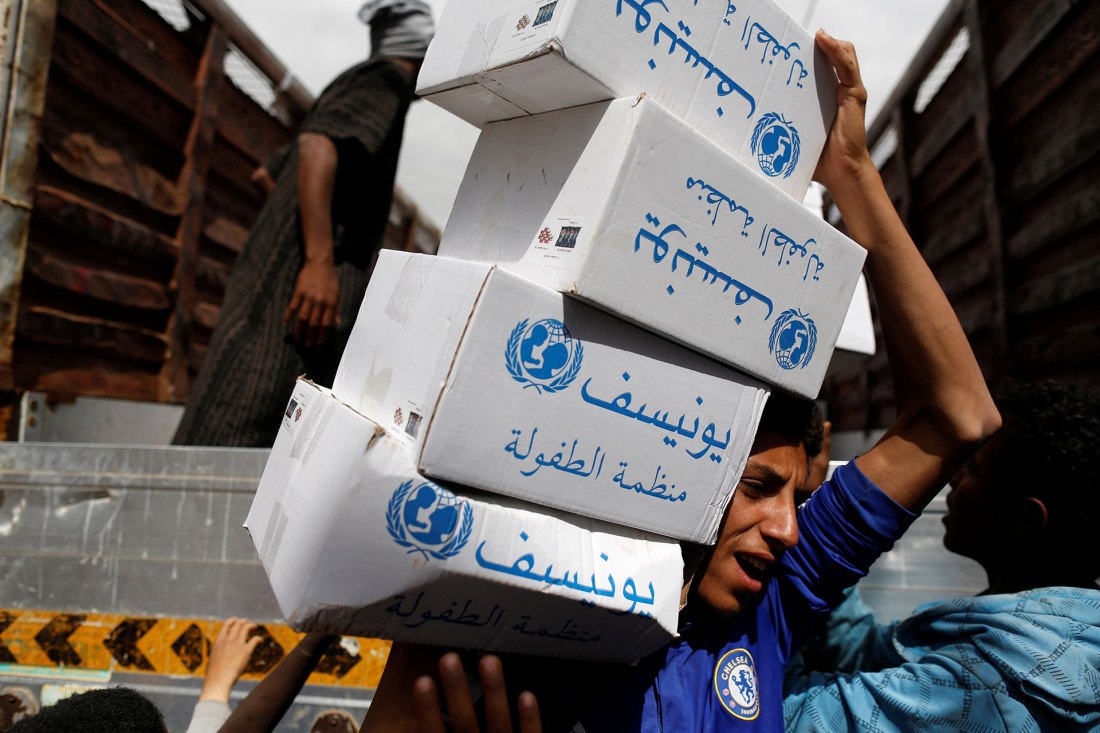
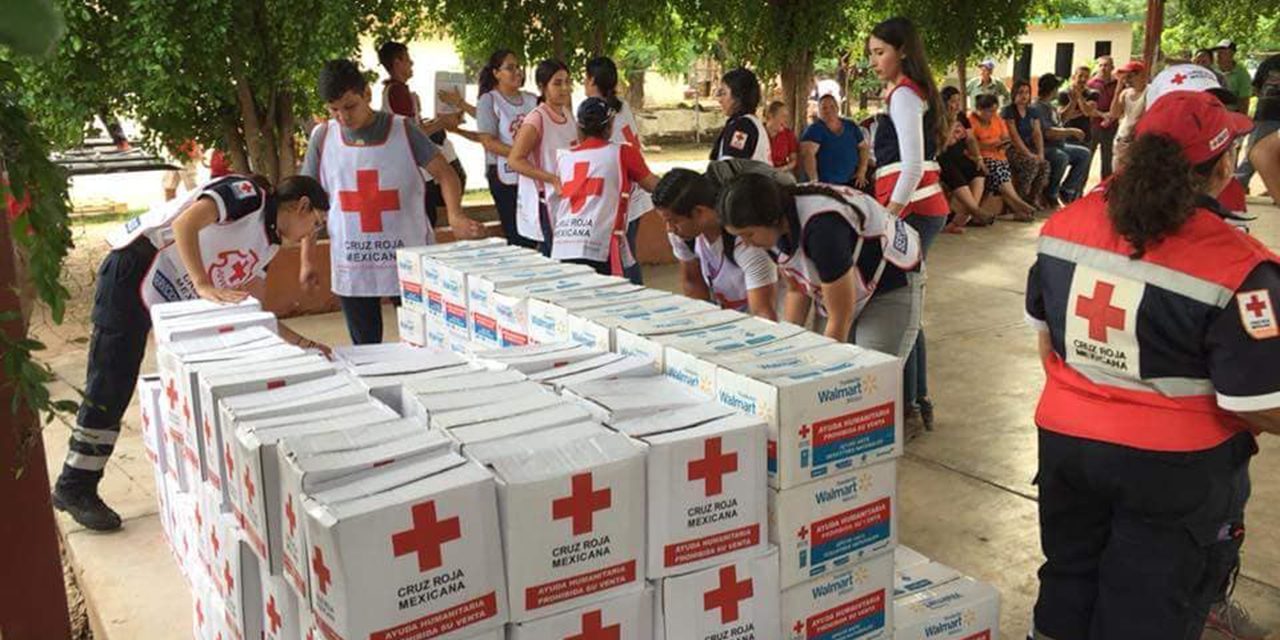
First, the issue of sustainability. A humanitarian crisis doesn’t end the moment TV cameras are packed up in pursuit of the next big story (in case you need reminding, the Syrian Civil War and the Gazan crisis haven’t gone anywhere). Recovery takes years, sometimes decades. Aid organizations that drop off cargos of food and leave weeks later do very little to help, apart from getting media coverage and ensuring that donors receive ample evidence of their “service”. In addition to not sticking around for the long haul, aid organizations do a disservice when they don’t take the time to equip the affected populations with the skills needed to take care of themselves. Without investing in the skills and empowerment of the affected populations, humanitarian aid organizations develop a cycle of helplessness in which the affected populations become dependent on aid. Which leads us to the second issue of…

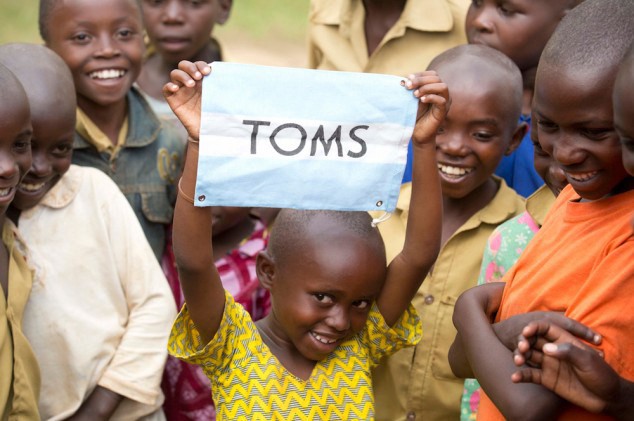
Dependency. Let’s take the example of a humanitarian campaign many of us have probably heard of, TOMS. TOMS is best known for their One-for-One policy, beginning with their shoes. For every pair of Toms shoes purchased, one is given to a child in need. Today, TOMS has donated over 70 million shoes (TOMS). However, as critics of the TOMS model have pointed out:

“The charitable act of donating a free pair of shoes serves as little more than a short-term fix in a system in need of long-term, multi-faceted economic development, health, sanitation, and education solutions“.

Cheryl Davenport

In other words, the act of simply giving resources reinforces dependency on donations. Moreover, these donations actually have the effect of distorting developing markets and undermining local businesses by creating an unsustainable aid-based economy. Tragically, free shoes ended up working against the long-term development goals of the community TOMS was trying to help (Davenport).

Finally, the issue of cultural-specificity. There is no one-size-fits-all solution for all the humanitarian crises in the world. For example, the same hygiene program in Mozambique may not work in Lampedusa for countless reasons, such as differences in language, culture, geography, religion, demographics, etc. In other words, context is everything. You need to understand the population you’re working with to ensure that the humanitarian relief is the right fit, and that it isn’t simply being imposed.

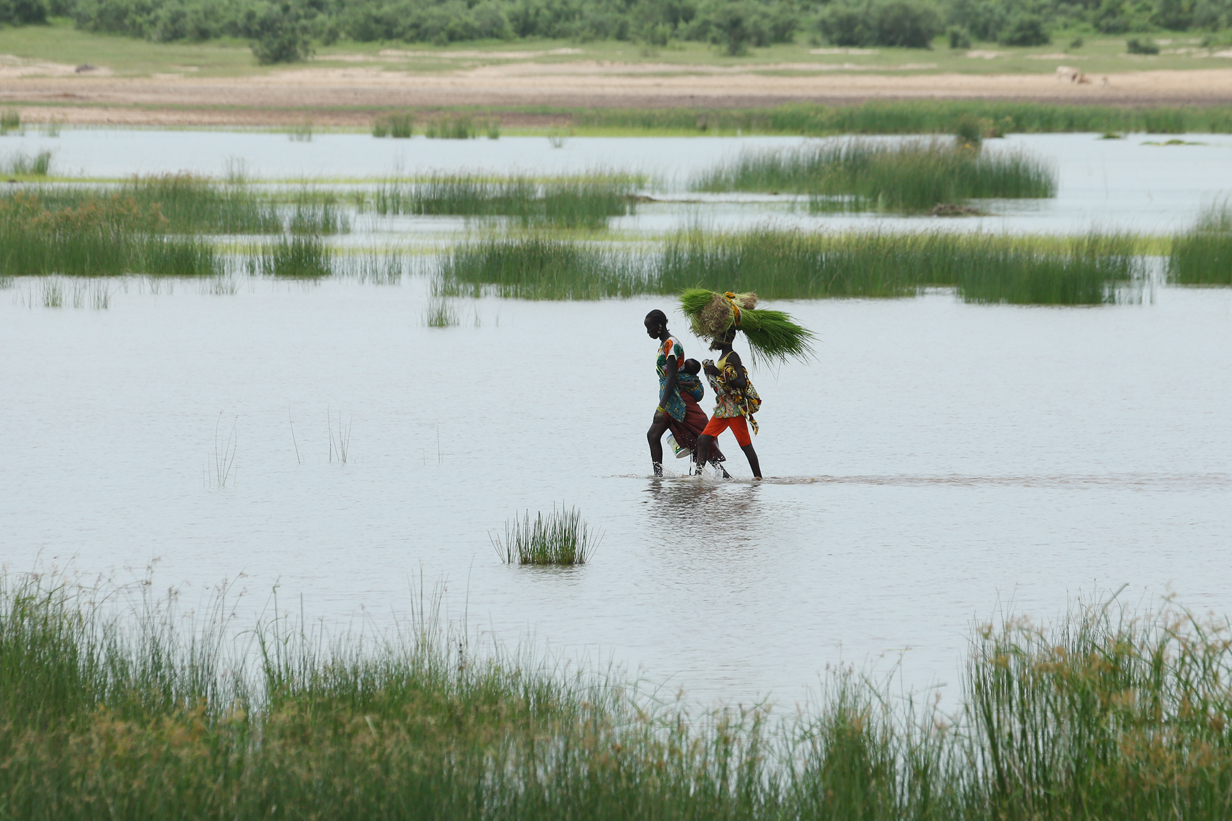
Let’s take a look at a development project implemented in the Gambian wetlands that failed to understand the local gender dynamics. In the existing gendered division of labor in Gambia, men cultivated highland peanut plots while women cultivated lowland rice plots, or wetlands. Similarly, in the gendered system of property rights, women retained the independent rights to rice plots, while the peanut plots were controlled by the men. Motivated by the desire to achieve food security, the Gambian government encouraged rice cultivation (a more stable crop) by improving wetland access and through developing better rice seeds. As a result of the wetland development, male household heads and village elites responded by calling into question women’s long-standing rights on the wetlands. The women fought back, demanding wages and alternative plot of land. This lead to conflict and effectively crippled the project (Carney, 320-322). In conclusion, projects that don’t take into consideration important population-specific factors such as gender relations can risk failing on their own terms.

Now this again is FAR from an exhaustive examination of the ethics of humanitarian action. There are other issue such as that of refugee camps, restrictions over freedom of movement, and political disempowerment. But there are also other ways that aid organizations can address these problems, like safeguarding and protection mainstreaming. This is a super interesting area of study that I (unfortunately) can only scratch the surface of here, but which I plan to study in pursuit of my Master’s degree.

The organization I will be working for this summer, IsraAID, has really invested in developing projects that are ethically sound. For example, after Hurricane Maria hit Puerto Rico in 2017, IsraAID sent a team there to work together with local shelters, authorities, civil society organizations, Jewish communities, and psychologist associations, to tap into resources already present within the community. Moreover, they’re still there today, building the foundations to ensure that the affected populations are equipped with the resources and training to make a full recovery.

I’m really looking forward to seeing for myself how IsraAID’s model unfolds in Greece in the next two weeks, and being able to get a sense of what the outcome of their (and hopefully some of my own) work will be. Counting down the days…

Sources:

  • Carney, J.A.. (2004). Gender Conflict in Gambian Wetlands. Liberation Ecologies: Environment, Development, Social Movements. 316-336.
  • Davenport, Cheryl. “The Broken ‘Buy-One, Give-One’ Model: 3 Ways to Save Toms Shoes.” Co.Exist. Fast Company, n.d. Web.
  • “TOMS Corporate Responsibility.” TOMS. TOMS, n.d. Web.

hello!

Thanks for stopping by.

This blog is going to be a way for me to share pictures, videos and anecdotes of my first experience (so really, just dipping my toes) into the vast and complex world of humanitarian aid, via my summer internship with IsraAID on the island of Lesvos.

On the other hand, this blog is also going to allow me to keep track of my expectations, hopes, progress, experiences, challenges, successes and disappointments. It’ll be a bit of journal, both introspective and hopefully informational. Hope you come along for the ride.

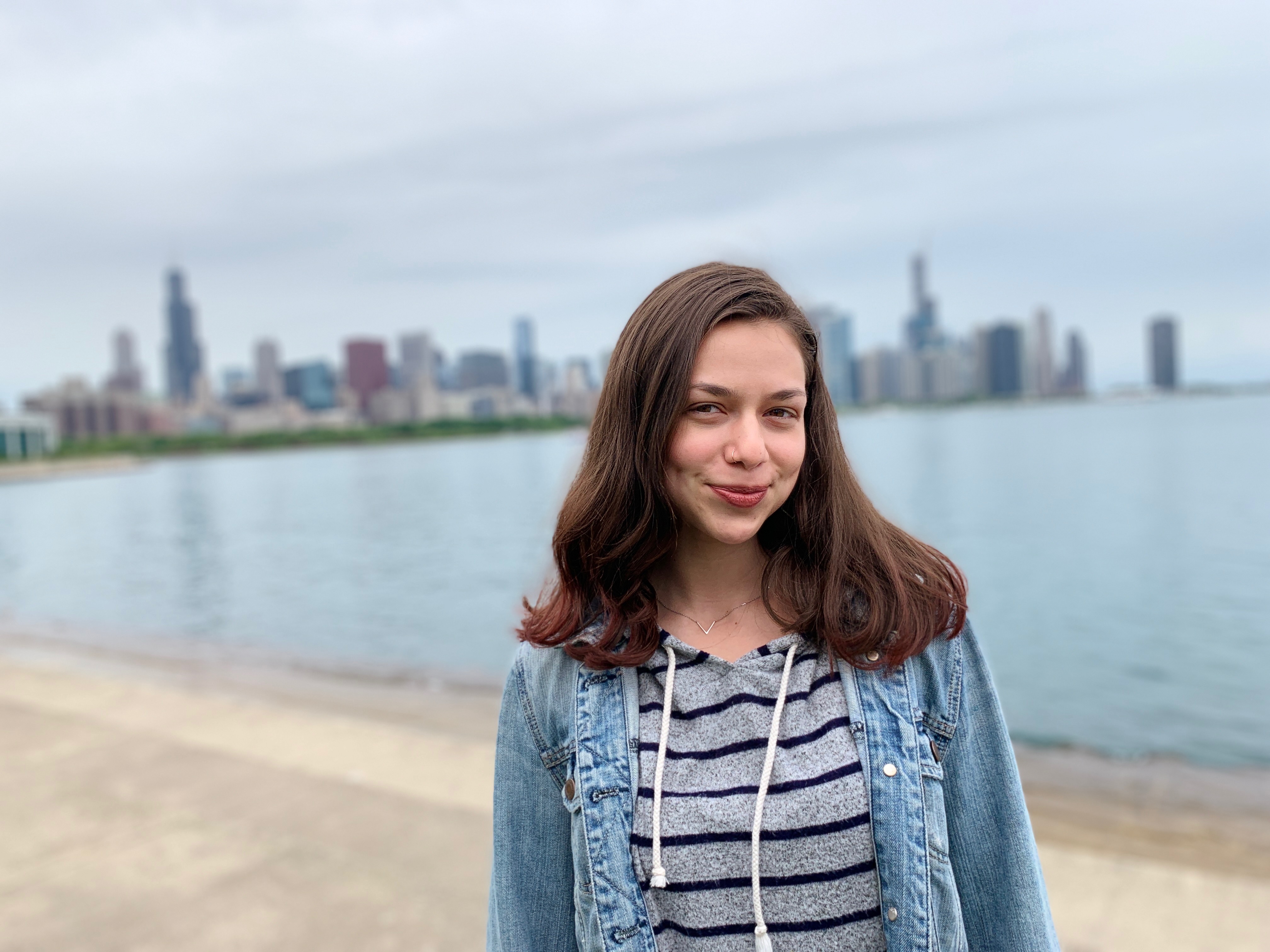
Me! Hello!

So who am I? My name is Giuliana, I’m a junior majoring in international studies and sociology. I’m also language nerd, a slam poet, a bit of a singer and guitar player, and I also enjoy learning martial arts (i.e. judo, capoeira, etc).

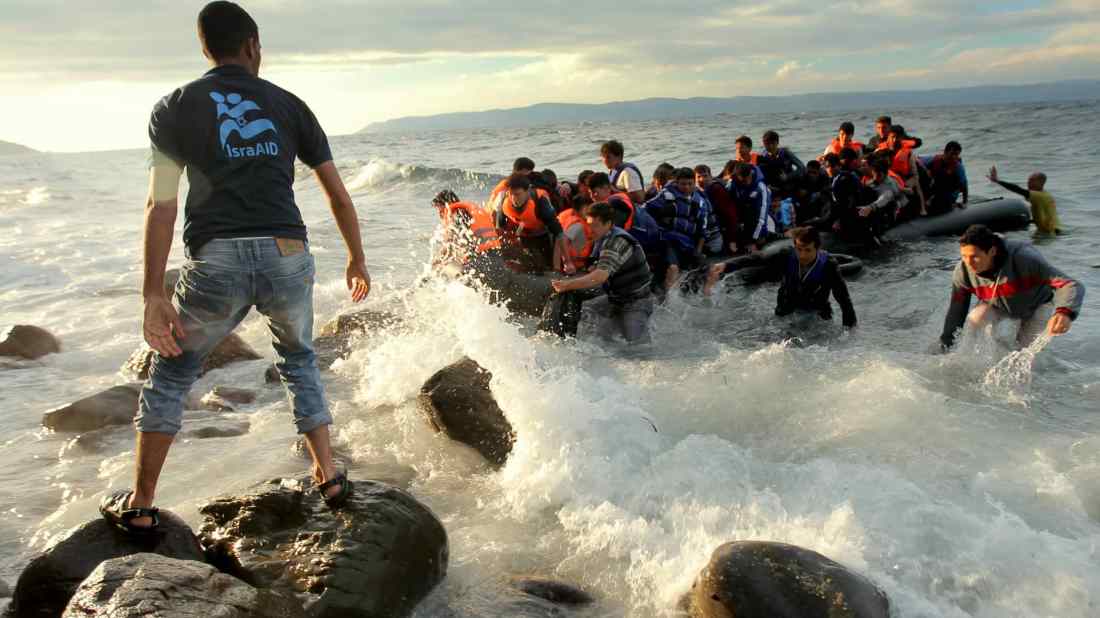
Where am I going? This summer I will be working in Lesvos, a Greek island that became home to over 45% of the 770,838 refugees and migrants who arrived in Europe in 2015 (UNHCR). While the majority of refugees are Syrian, Afghani and Iraqi, recently there’s been an influx from the Congo and Angola as well. The increasing number of arrivals has put an extreme pressure on the island—there are regularly more than 10,000 refugees and migrants staying in the island against a reception capacity of 2,800—resulting in a severe lack of shelter, sanitation, and site management (UNHCR)

What is IsraAID? IsraAID is an apolitical non-governmental organization (which means that they have no affiliation with the Israeli government) that provides both lifesaving emergency relief and sustainable long-term solutions for people affected by natural disasters, epidemics and conflict situations all over the world. Their teams work in full collaboration with local communities while also acknowledging the desires and agency of refugees/displaced populations. While many humanitarian organizations skip doing their homework and end up miscalculating or badly executing relief efforts, IsraAID invests in making sure that their aid projects are both effective and ethical. This is super important to me, so I’ll discuss what it means in detail in another post.

Thats all for now folks! My journey starts in two weeks but I look forward to sharing more soon…