
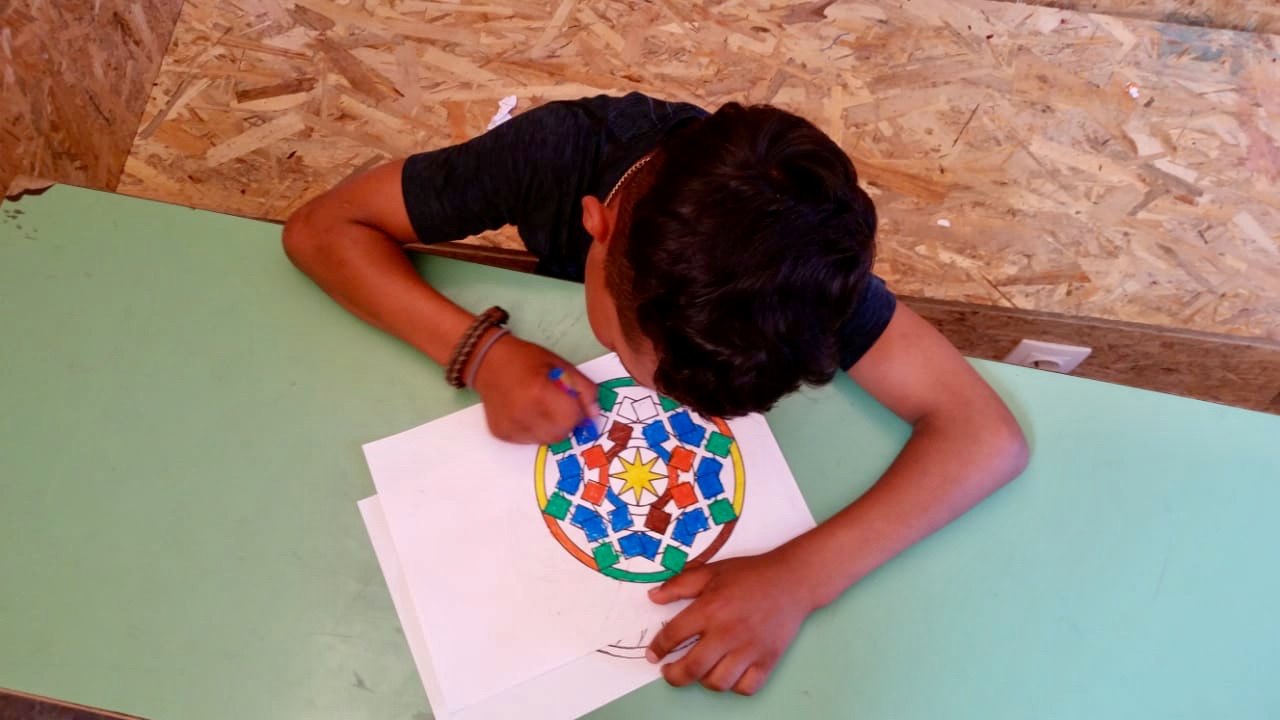
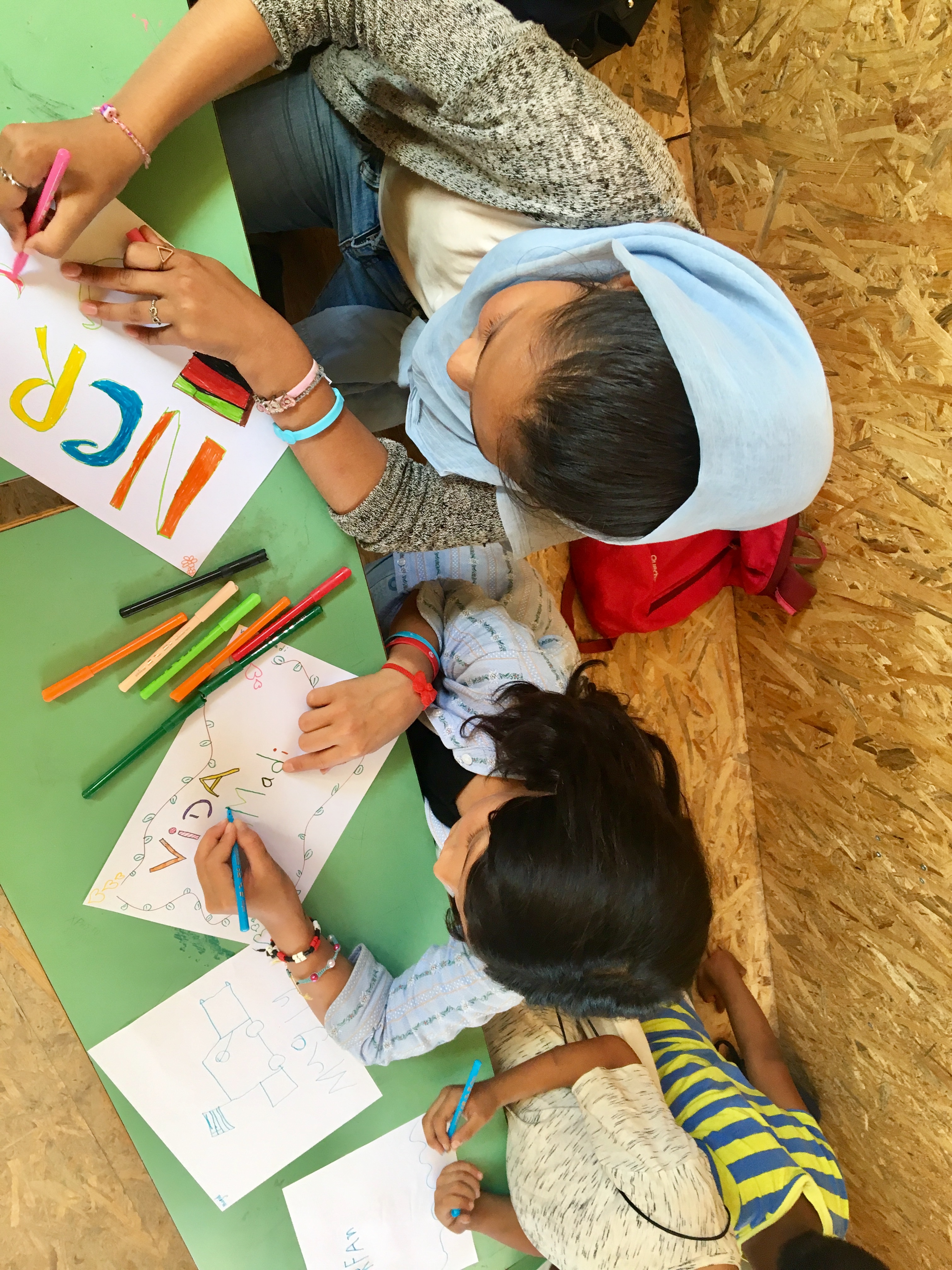
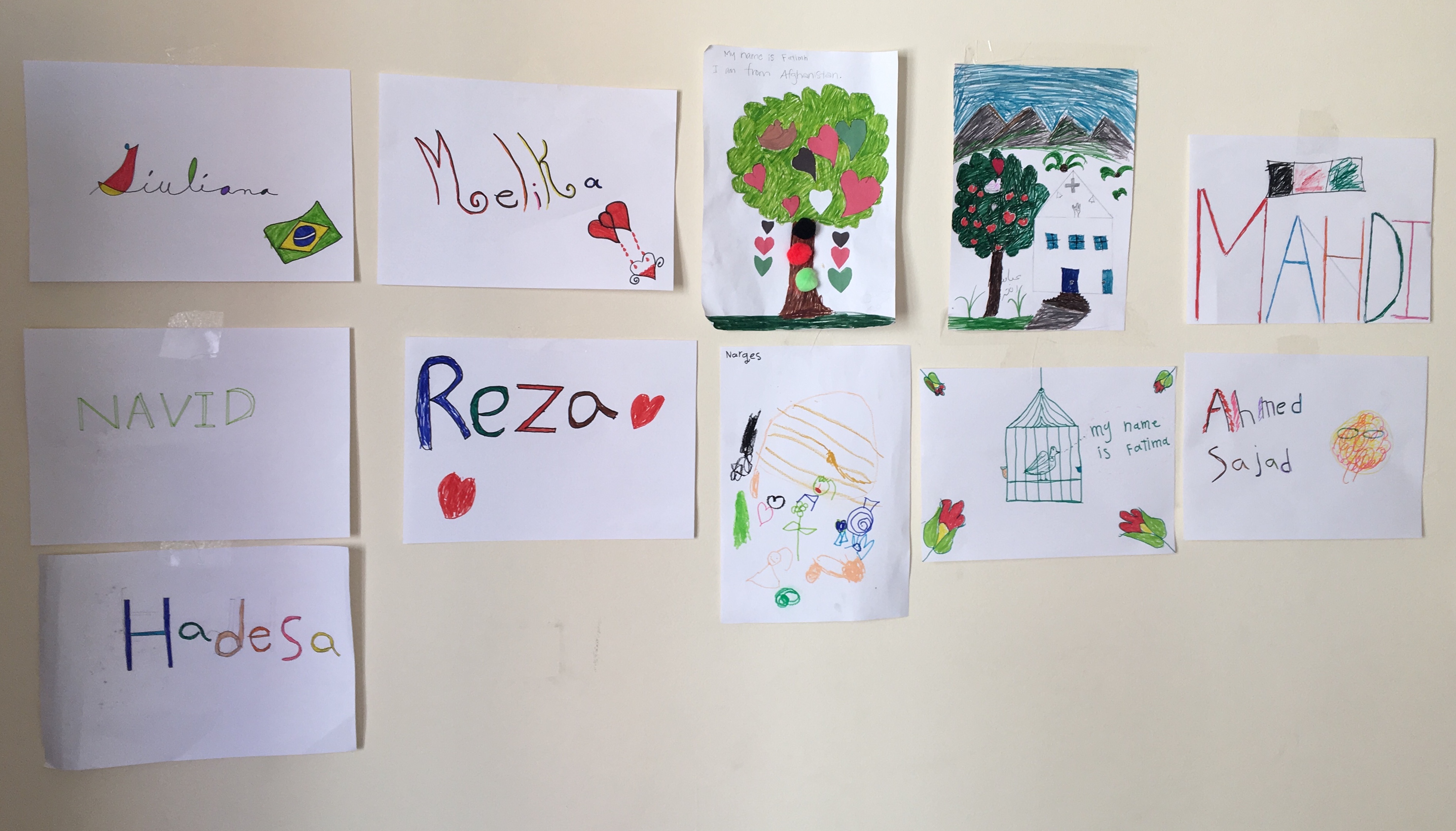
“My friend, my friend!” The sound of children calling for my attention from all corners of the room causes my head to spin. Sound ricochets off the walls and the classroom is a flurry of color and movement; colored markers and pastels get passed around as the children finally begin to settle down and concentrate on coloring their mandalas.
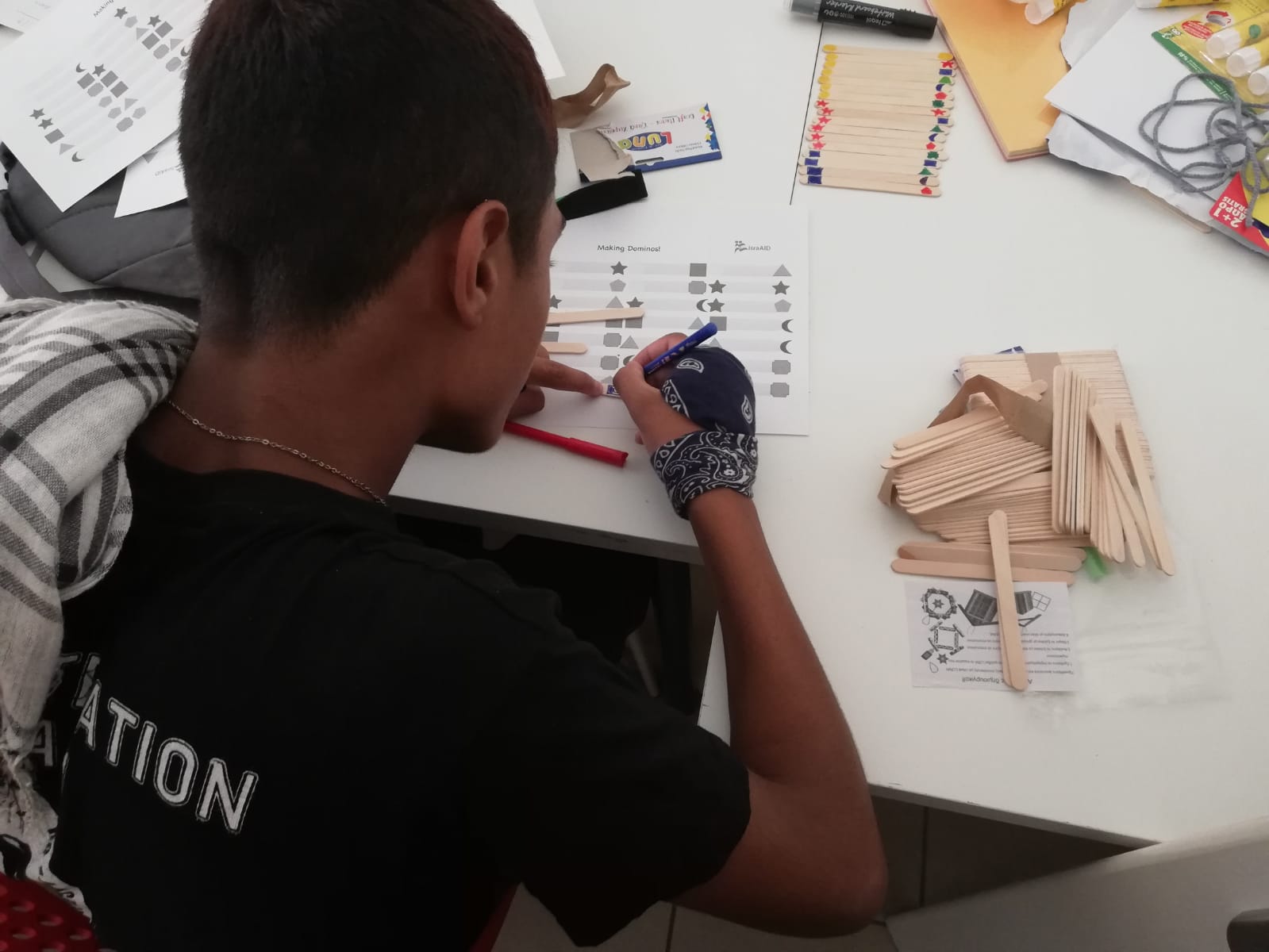
The past two weeks of careful planning have finally paid off. Between finding games like beach-sand and arts and crafts like popsicle-stick-dominos, we had impeccably planned three 1.5-hour art/play-therapy sessions of pure fun and learning at two different refugee schools. Was it complete chaos? Absolutely. Did we have to change our careful planning at the last minute? But of course. Did the kids have fun? You better believe it.
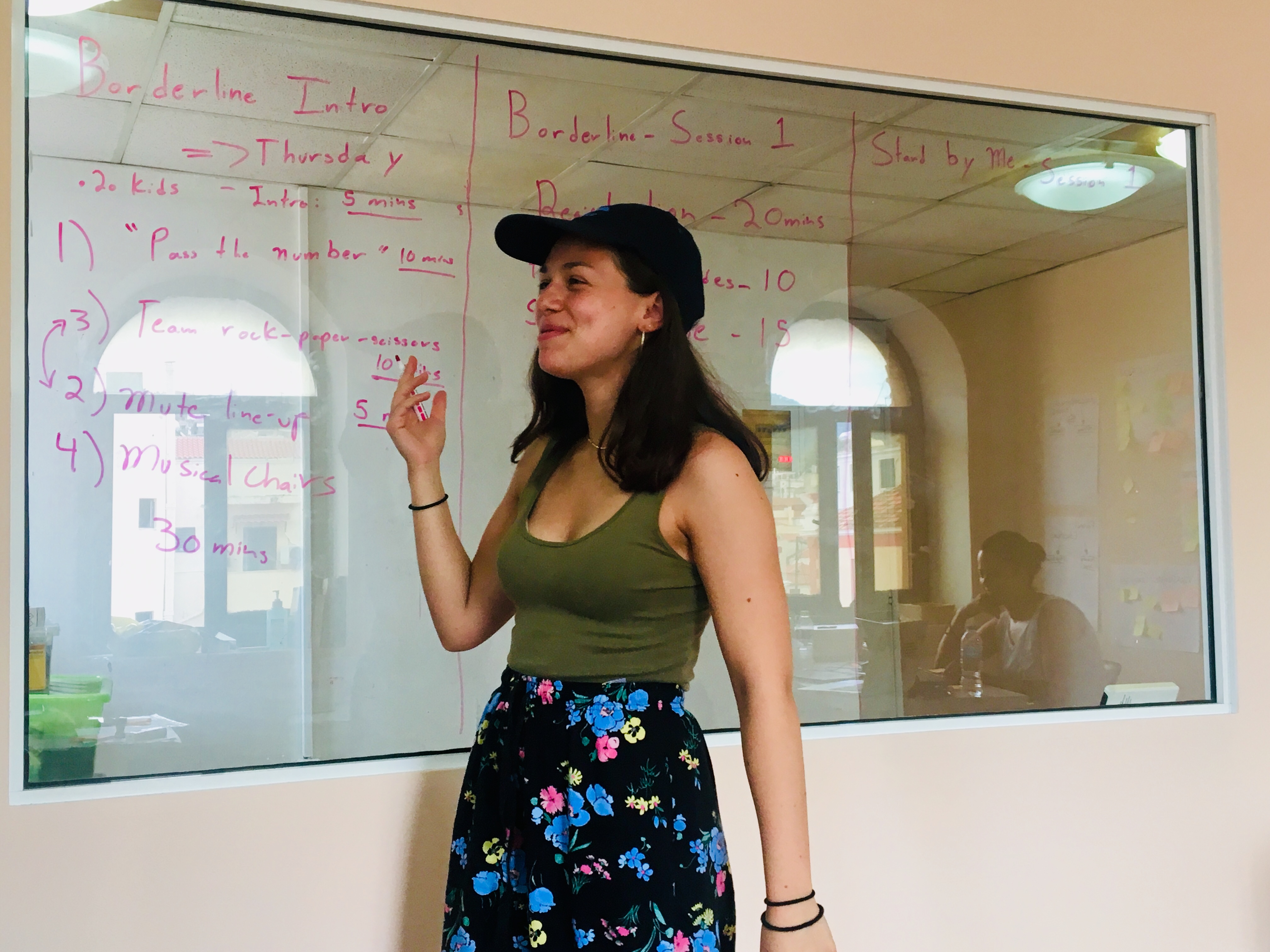
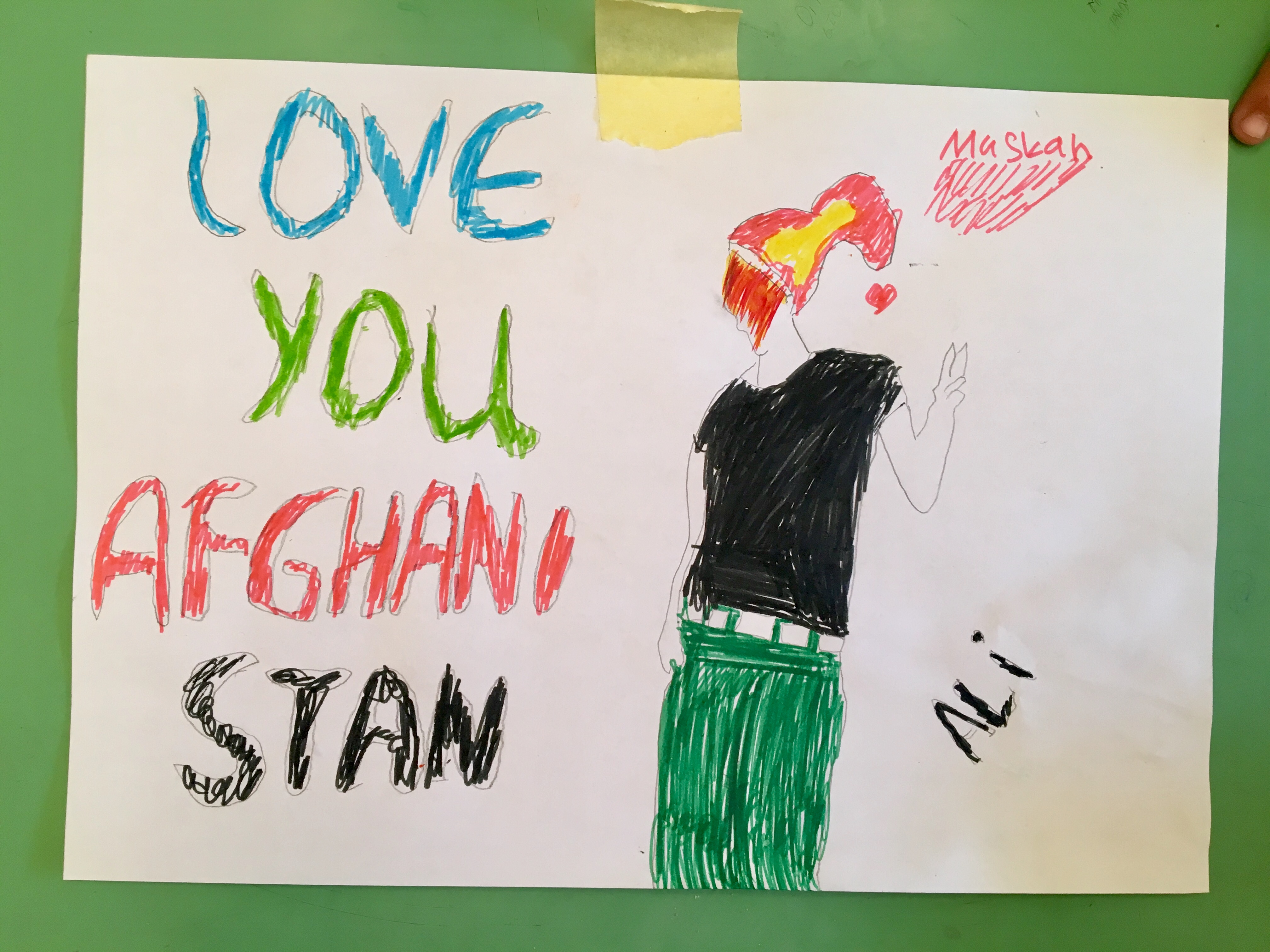
The truth is, there are just so many unexpected elements when working in this kind of environment. From the difficulty of getting accurate translations (we were working with predominantly Farsi-speaking kids) to the fact that children with trauma will often develop ADHD, to the unexpected drop-ins (we had anticipated 20 kids and around 50 showed up), there were tons of adjustments that had to be made. But after going back to the drawing board and redesigning certain aspects of our sessions, it was like a light switch had been flipped; kids started following directions, the craziness (and volume) level went down, we got through more activities and you could tell that the parents who peeked into the classroom were enjoying watching their kids play. Oh, and the experience of playing with the kids—seeing them laugh and helping them to create art work and games that they could take home—made everything worth it every time.
I also continue to volunteer with the Congolese kids at the School of Peace. The teacher who I work most closely with shared with me how he had studied and gotten his degree in electrical engineering in the Congo. Two years ago, he decided to search for a safe home and a stable job in Europe, leaving his wife and children behind with the hopes of sending for them later. After living in Turkey for four months without finding work and feeling generally ostracized, he decided that it was time to move on to Europe and made the decision of crossing the sea. But like many before him, he got stuck awaiting asylum processing in the Moria refugee camp. However, like he shared with our class during a story-telling activity, “When I got here, I saw that I could do good and be useful by working with children in the school, and if I hadn’t, then I wouldn’t have met all of you wonderful kids.”
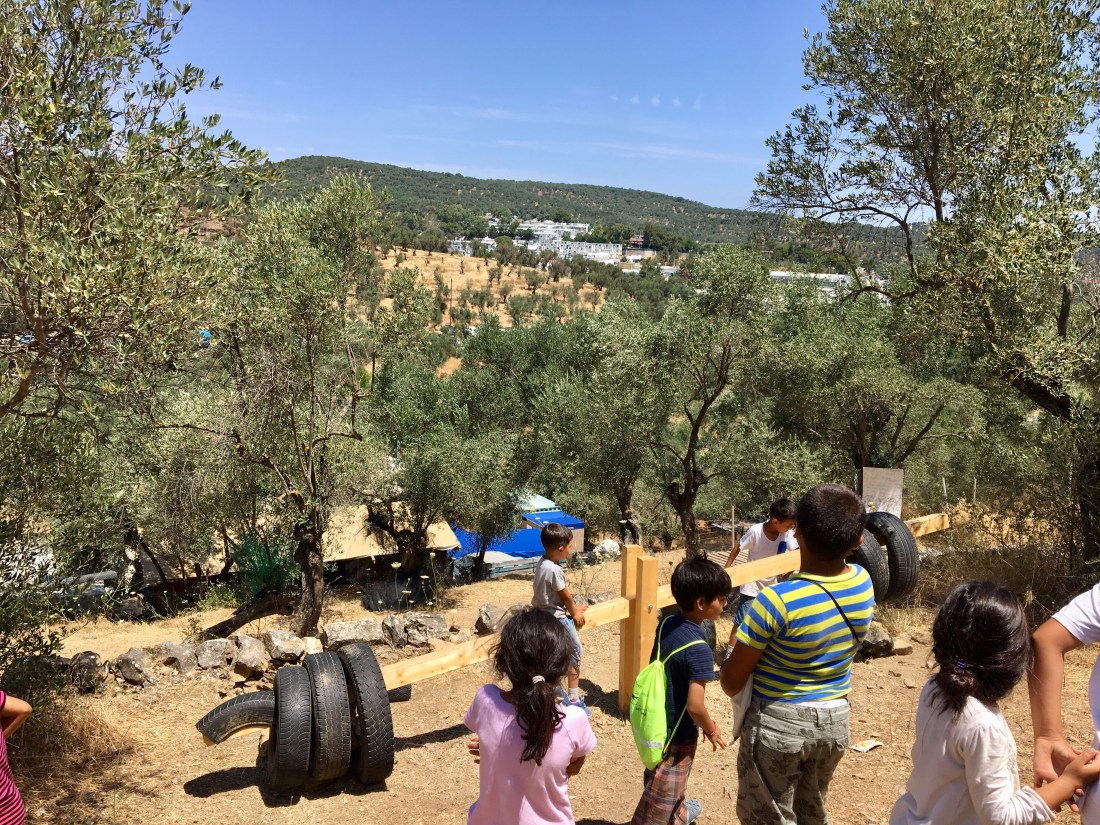
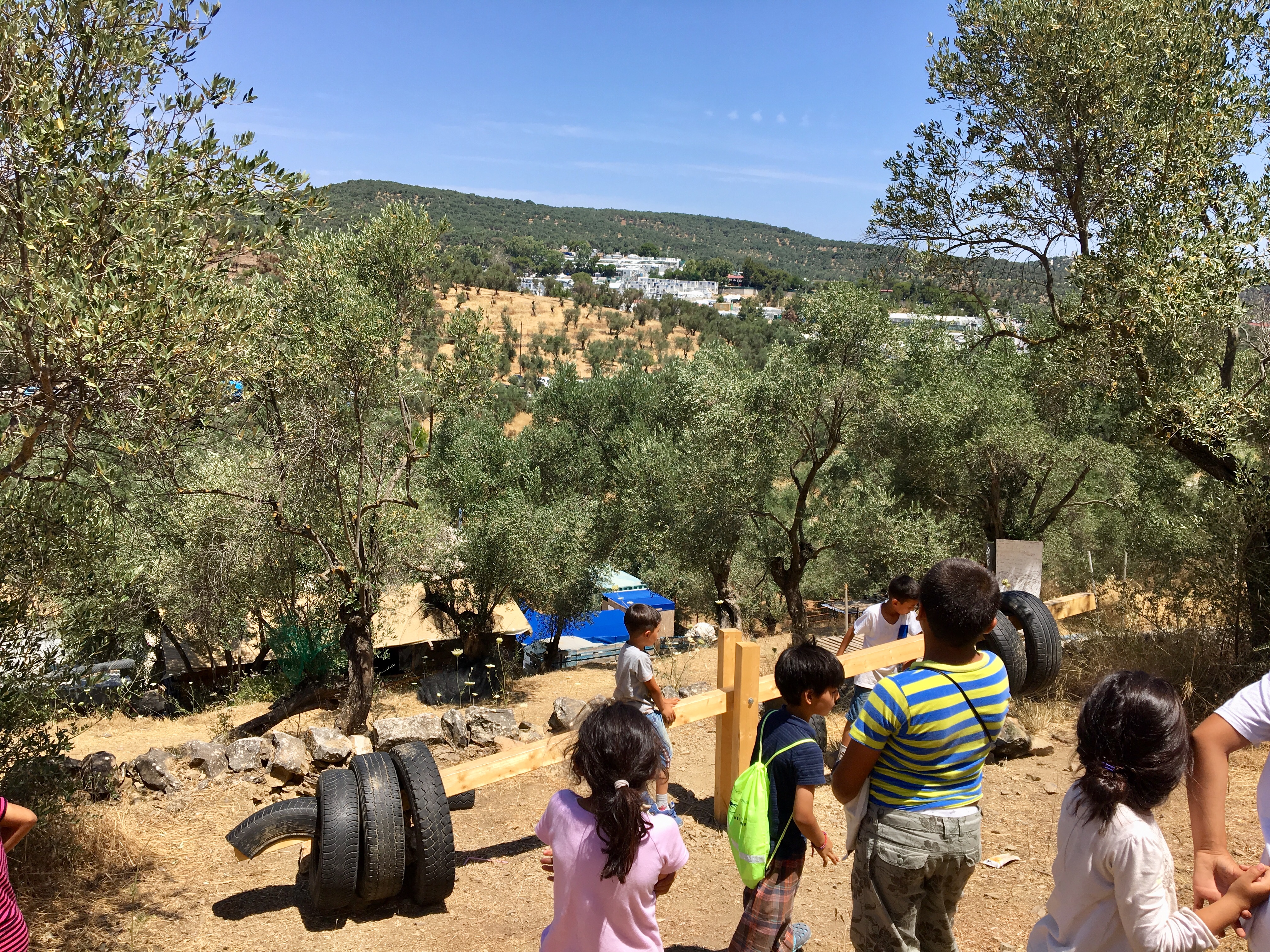
Between the laughter, the piggyback rides and the breaking up of arguments, it’s incredibly easy to forget why this school exists in the first place: the refugee crisis, and the fact that most of these kids return to the Moria camp at night. And yet unlike other kids, these are markedly different; they talk nonchalantly about travel by dinghy, i.e. the small lifeboat that makes the dangerous crossing between Turkey and Greece. They laugh about the “ferociousness” of the flies that bite in the Moria refugee camp. And despite all that, nothing captures their attention each week like the possibility of receiving the “student of the week” badge, accompanied by a small plastic (often Disney-inspired) toy that they get to take home. Despite their hardships, these kids still get to be kids. And that my friends, is what resilience looks like.
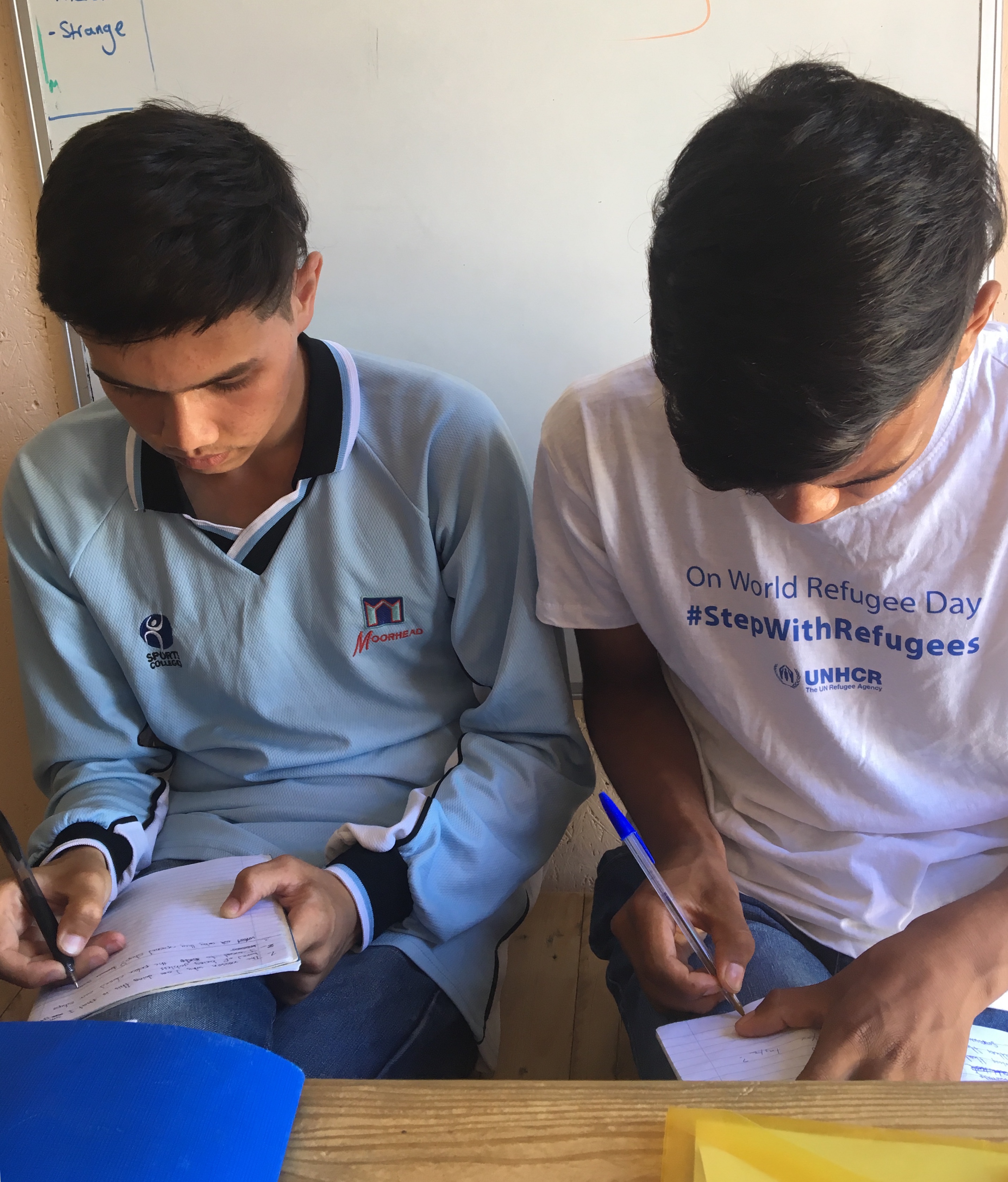
 Inside IsraAID Greece