That’s right. It’s almost time for me to painstakingly remove myself from all the projects and I’ve invested in and the people whose lives I have been a part of, even if for a second. I feel like an awkward cephalopod that’s spent all its energy wrapping its arms around something only to be pulled away, inch by inch. If the imagery sounds jarring, I promise you the feeling is even worse.
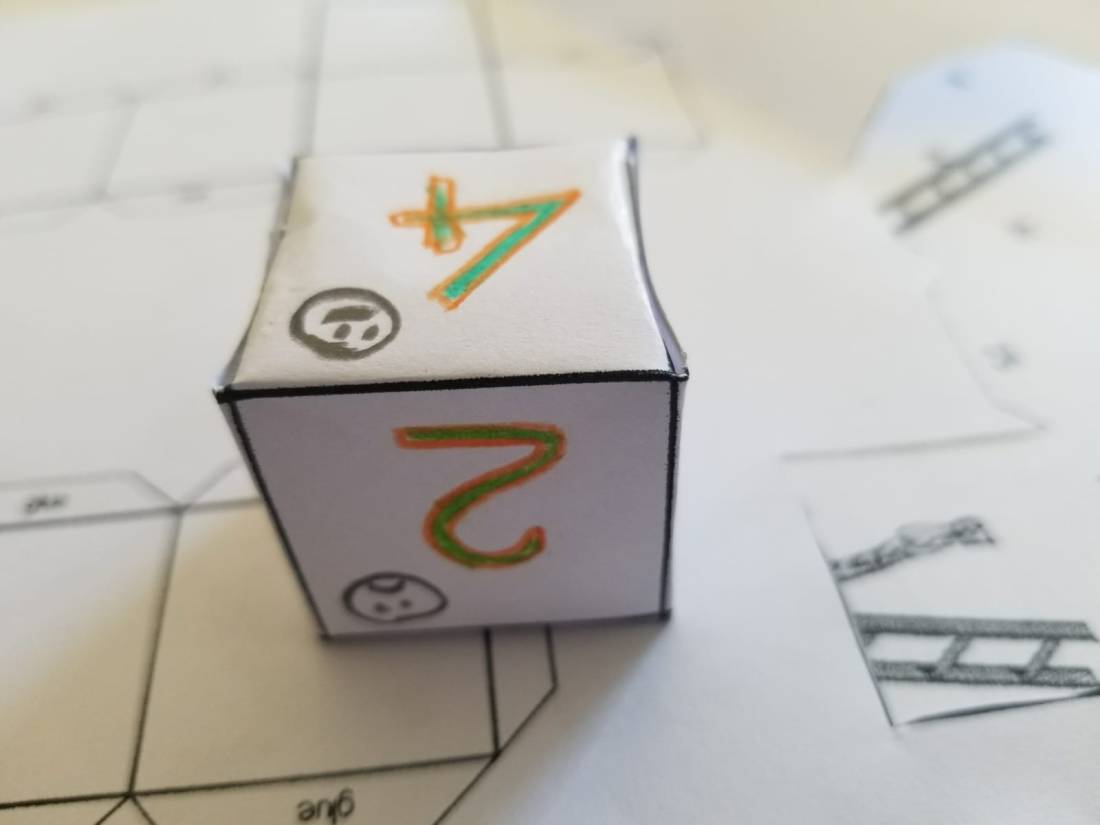
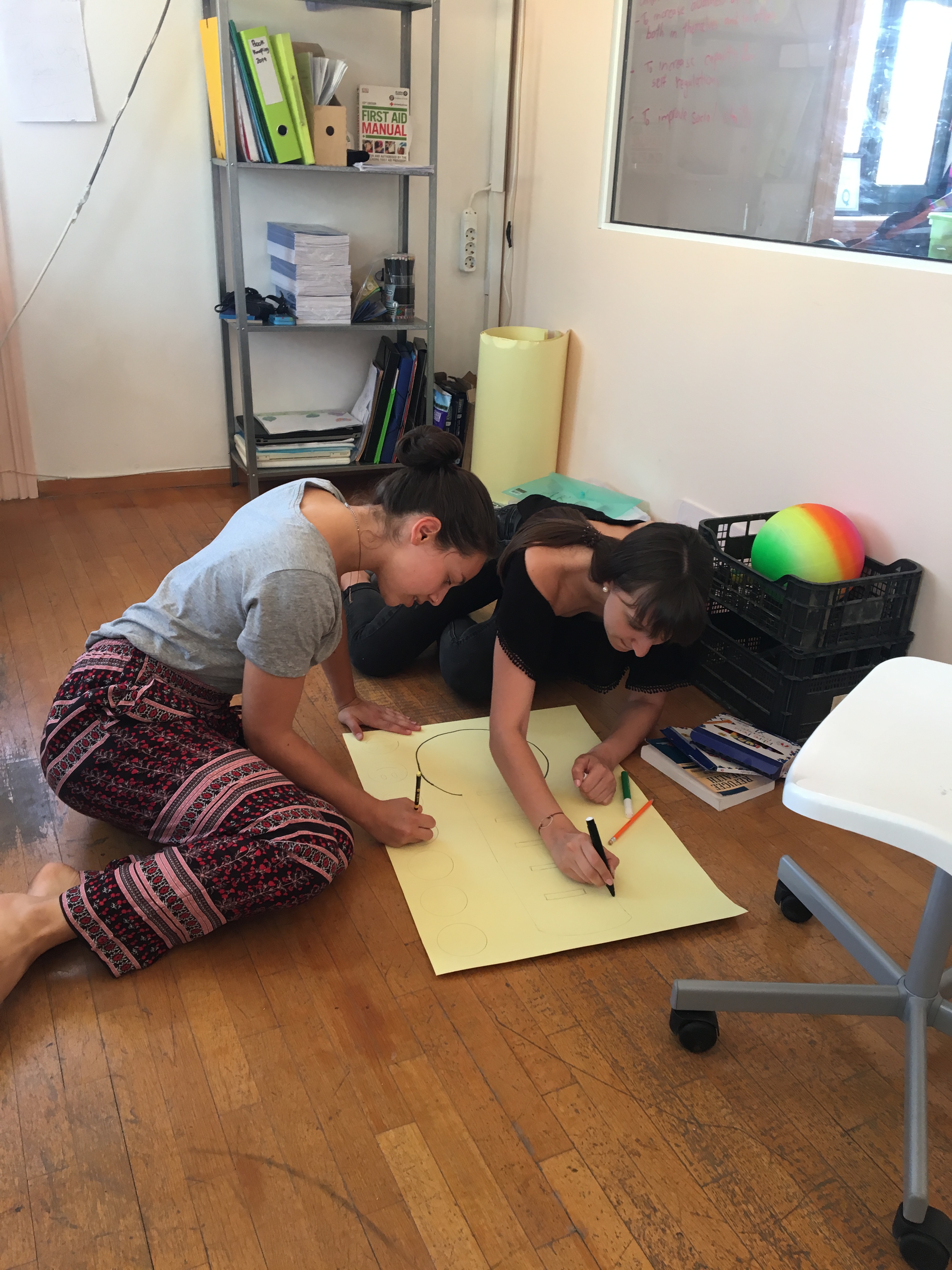
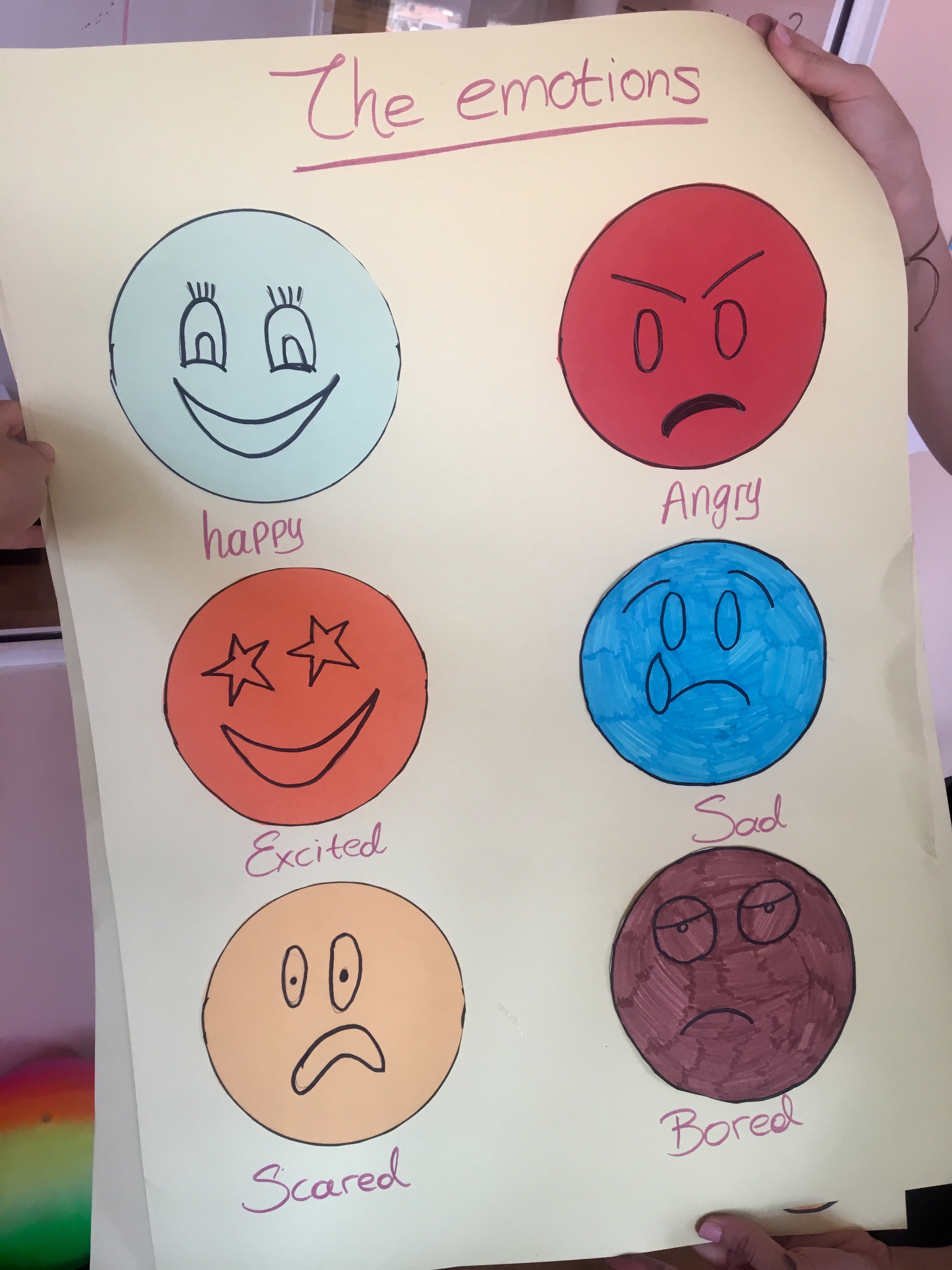
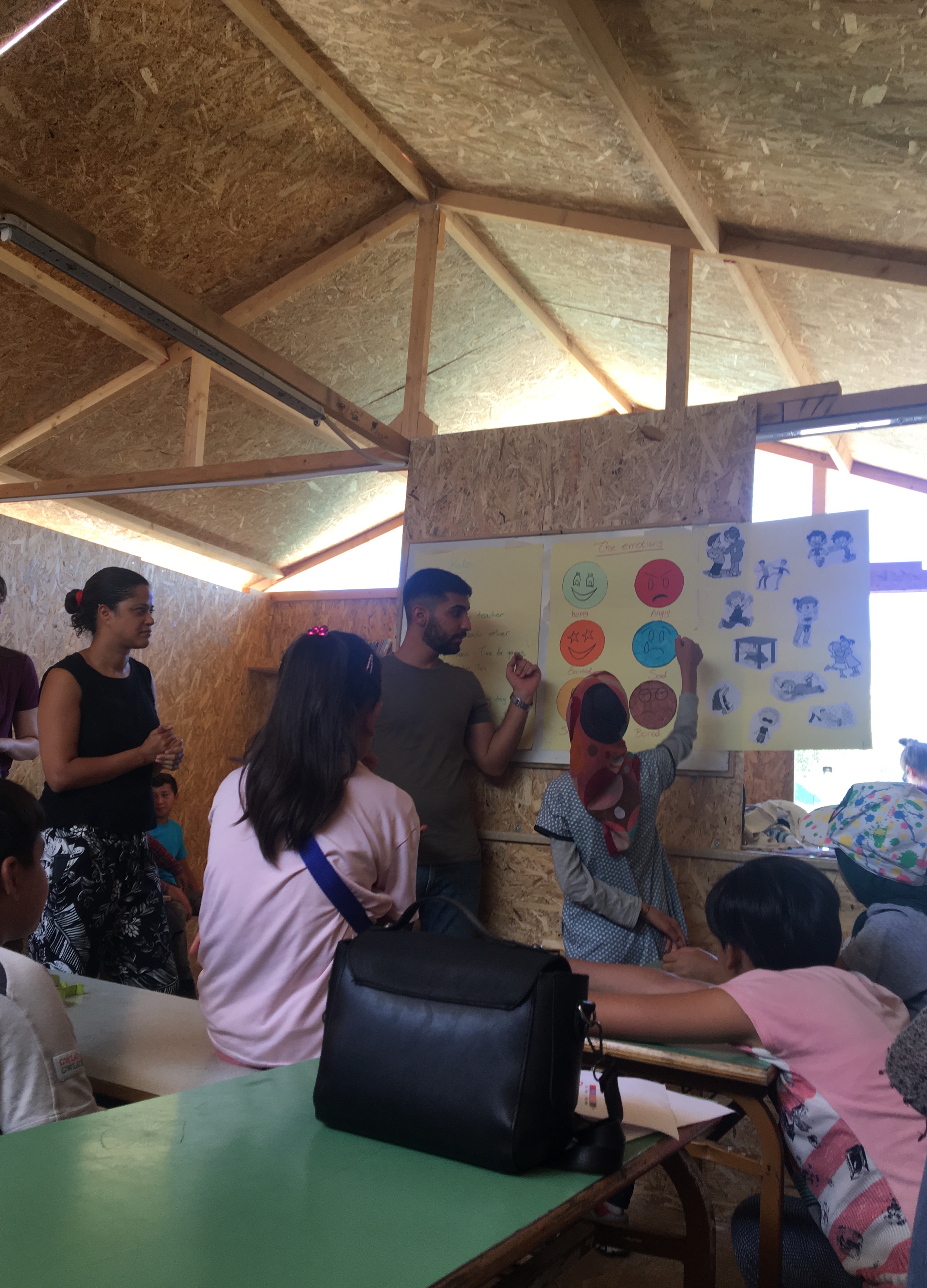
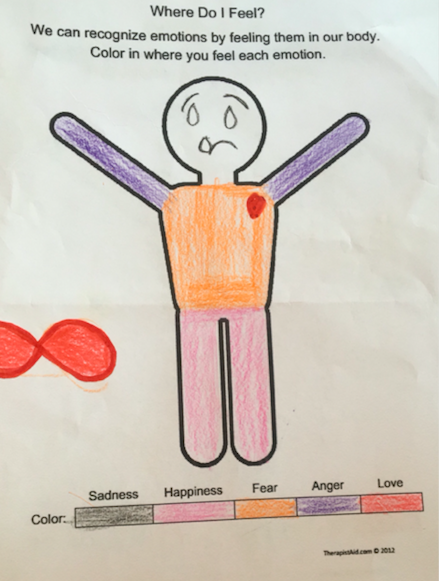
Why is this such a difficult process? Well, let’s start with the kids. The art and play therapy sessions have evolved in some really amazing ways. From connecting emotions and thoughts to actions, to exploring psychosomatic symptoms, its been amazing to see these kids open up and explore how they feel. And of course inevitably, the more time I’ve spent here the more attached I’ve become to them and their laughter, hugs, and contagious energy. But now I have to focus my attention on my exit strategy, and it’s a fine balance: I need to find a way to leave without simply vanishing from their lives (as so many have done before), but at the same time, if I make a big deal out of my leaving, I’m also emphasizing the fact that they are being left behind, that they—unlike myself—cannot leave the island. Like everything we do here, it’s vital that all of our actions are done in the interests of the kids (or the beneficiaries) and not ourselves, so even just the act of saying goodbye takes a great deal of thought and preparation.
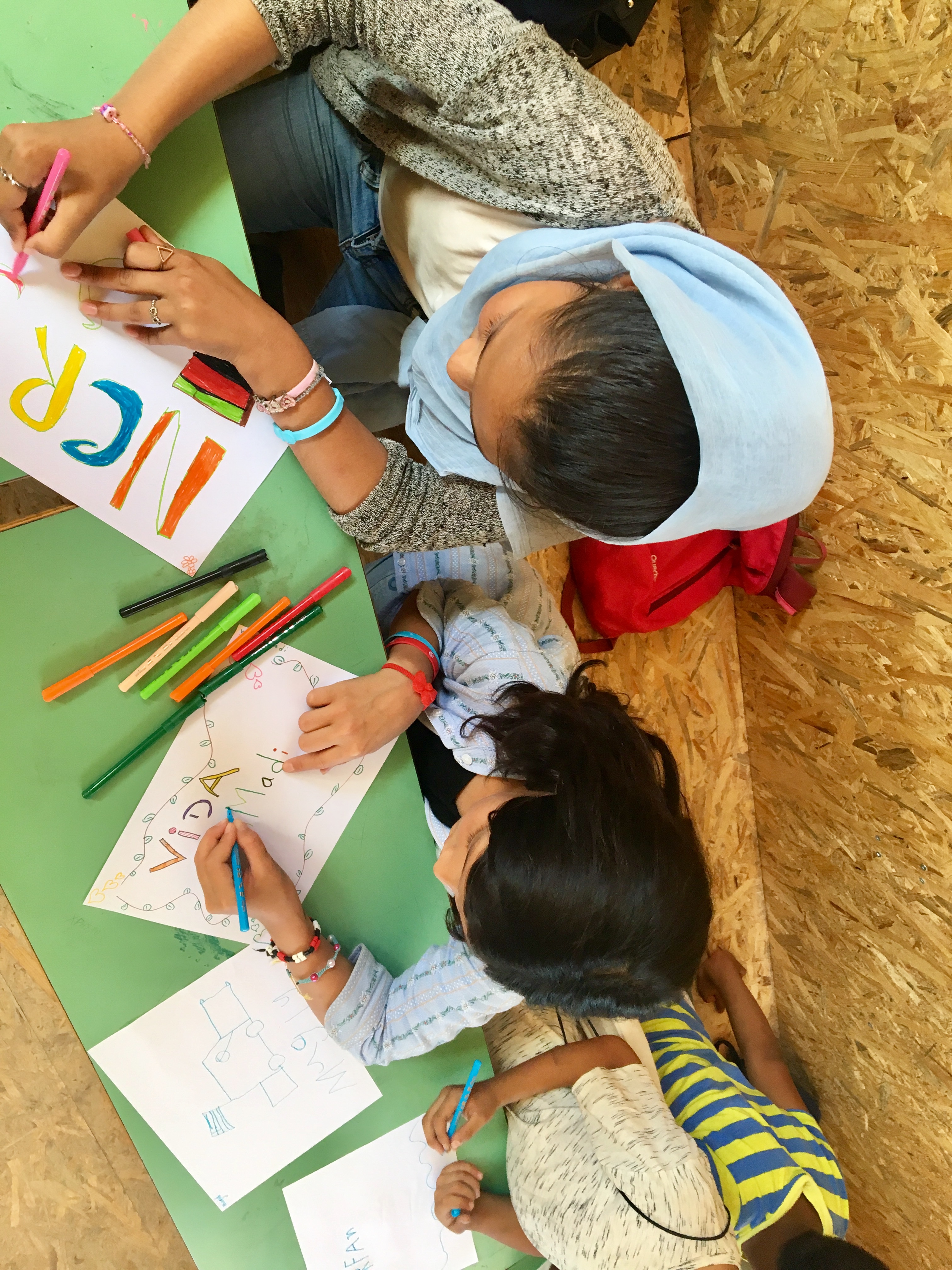
Children learn about psychosomatic symptoms through a drawing exercise
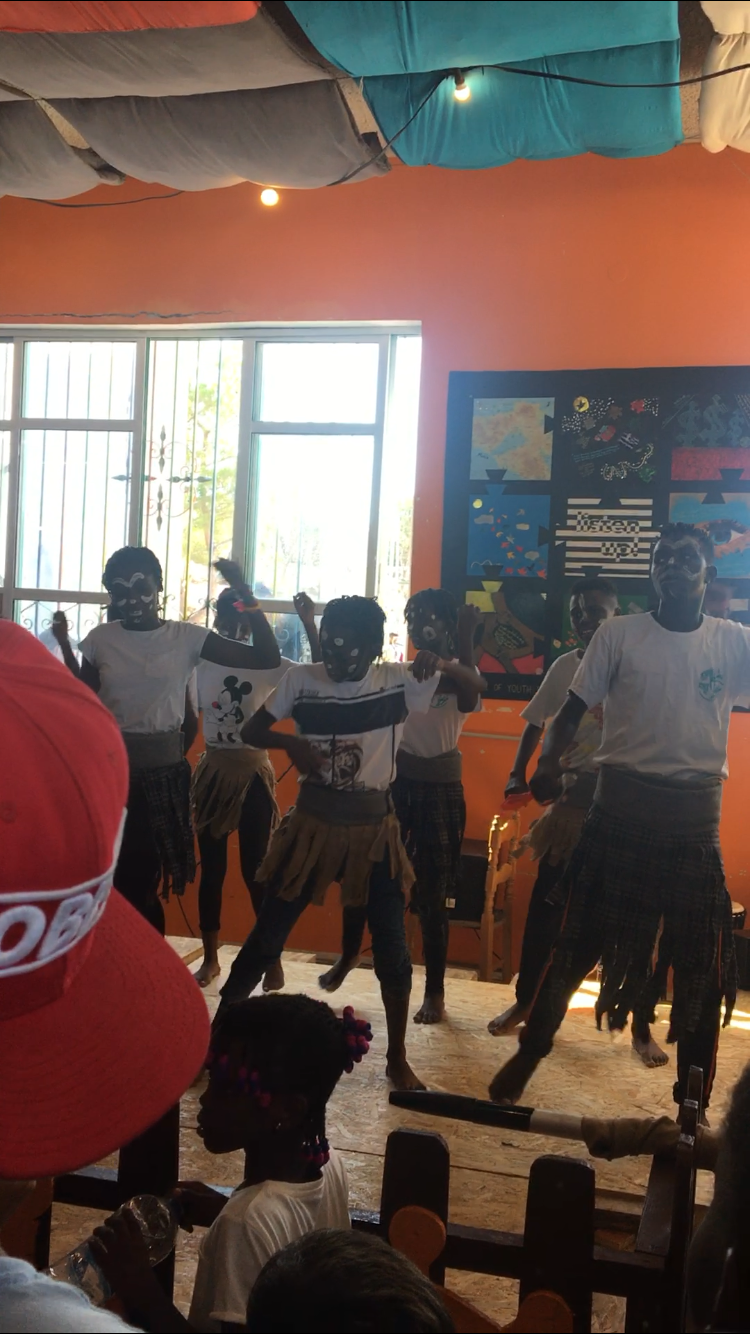
It’s a challenge that looms closer each day, and I’m not exactly sure how I’m going to face it. One thing that’s for sure is that these kids continue to amaze me. Just last week was African Cultures Day at the School of Peace and I got to see my students performing a Congolese dance. I sent a video of it to a friend who replied, “refugee camps on the news are always so depressing… It’s amazing for me to see how happy everybody looks.” And I realized that it was this inside perspective that I have, that one can’t get from the news—the insight into the smiles, courage and strength that these children constantly show me—that I might miss the most. But that’s also something that I will never have to say goodbye to.
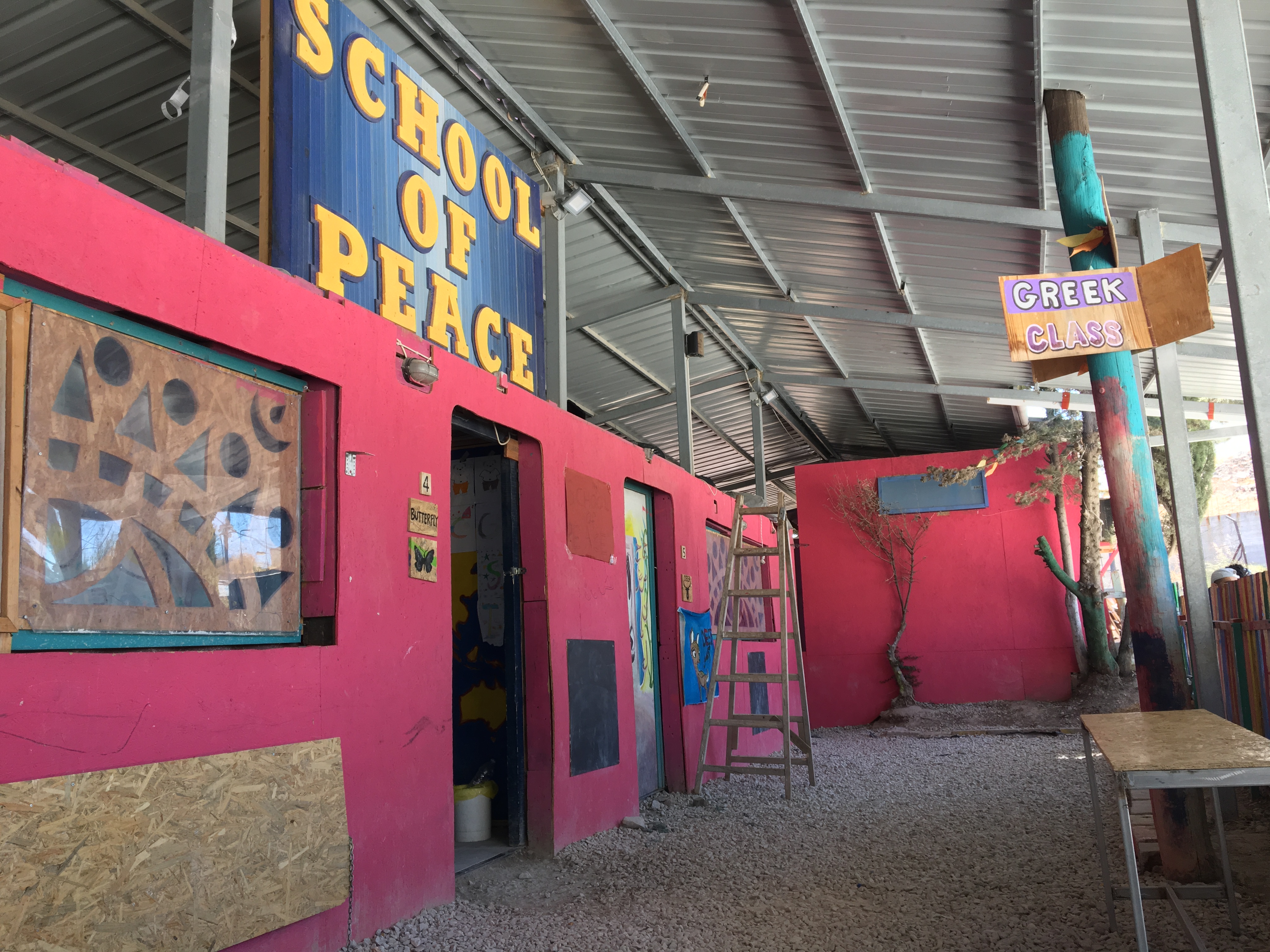
Bruno Mars’ voice suddenly fizzled and reemerged as the notes of an oud—that’s how close Lesvos is to Turkey; at certain points on the island, even the radio stations and cell services switch to Turkish ones. This time we’re driving to the School of Peace, an education initiative that provides daily classes to refugee children in their mother tongue, whether it’s French, Farsi, or Arabic.
While IsraAID no longer runs the school (they exited in May 2019), they still provide support and retain a close partnership with volunteers from the Hashomer Hatzair youth movement along with local community volunteers who keep the school running. And in my extra time outside of the programs run by IsraAID, I’ve decided to help out as well.
Let me start by saying this: the School of Peace—with its rainbow-painted plywood walls and classrooms-named-after-animals—radiates positivity like nothing else within 5-kilometers of the Moria refugee camp. It’s a remarkable place; you close your eyes and you can actually hear joy: laughter, a soccer ball kicked against the wall, a jump rope hitting the soil, the loud chatter of children. The crisis does not permeate this space, at least not overtly. That day, beyond cutting fruits for snack-time and supervising the hectic play during break periods, I helped lead activities in the class containing kids from the Congo and Angola. Since some students spoke only French, some only Portuguese, and some both, I was able to give instructions in both languages, ensuring that everyone was on the same page.
Children from the Farsi-speaking class practice coloring
The first activity involved envisioning one’s journey after leaving the School of Peace. One of the more talkative students, David*, revealed to me his plans of becoming a concert pianist and a doctor. Dante wanted to become a famous youtuber and use his videos to discuss soccer and video games. Marianne, who couldn’t have been older than 10, told me that she hoped to learn English, but that what she wanted most was to receive her “white card”, an infinitely valuable document that states that she is a legal asylum seeker. The class ended when the head teacher blasted the Macarena from a dusty boombox and, as though on cue, all the students pushed aside their chairs and started dancing with complete abandon. And BOY could they dance. Seeing their resilience was incredibly motivating, and I couldn’t help leaving the school feeling a little lighter.
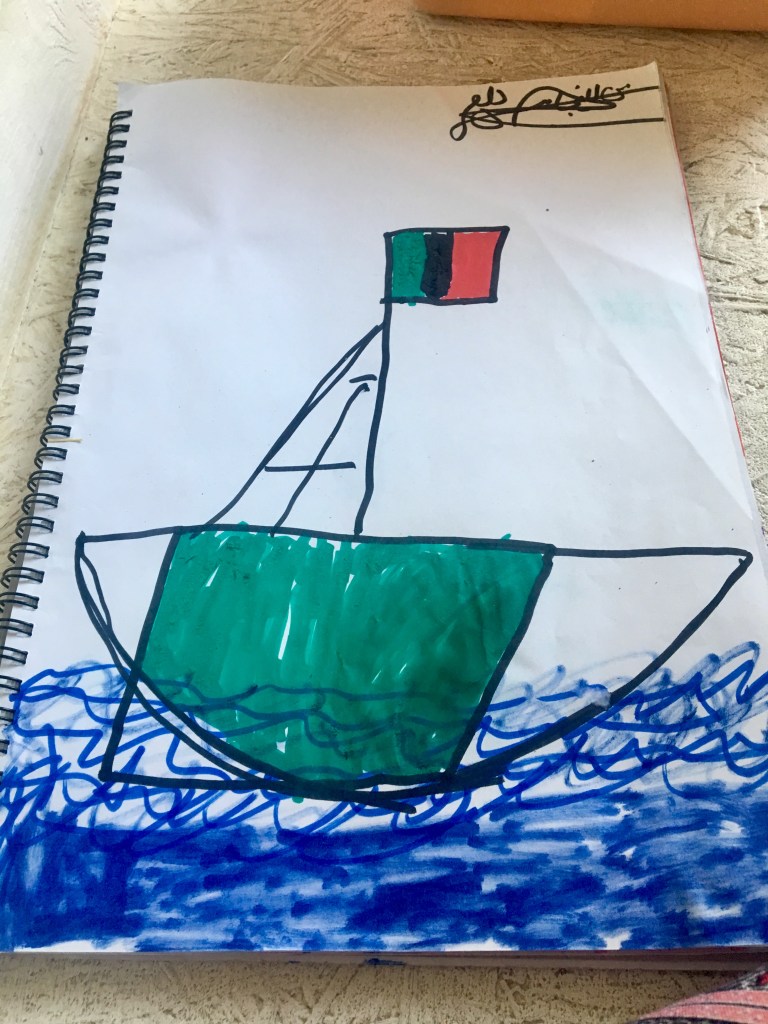
A child’s drawing depicts a boat crossing the sea from Afghanistan
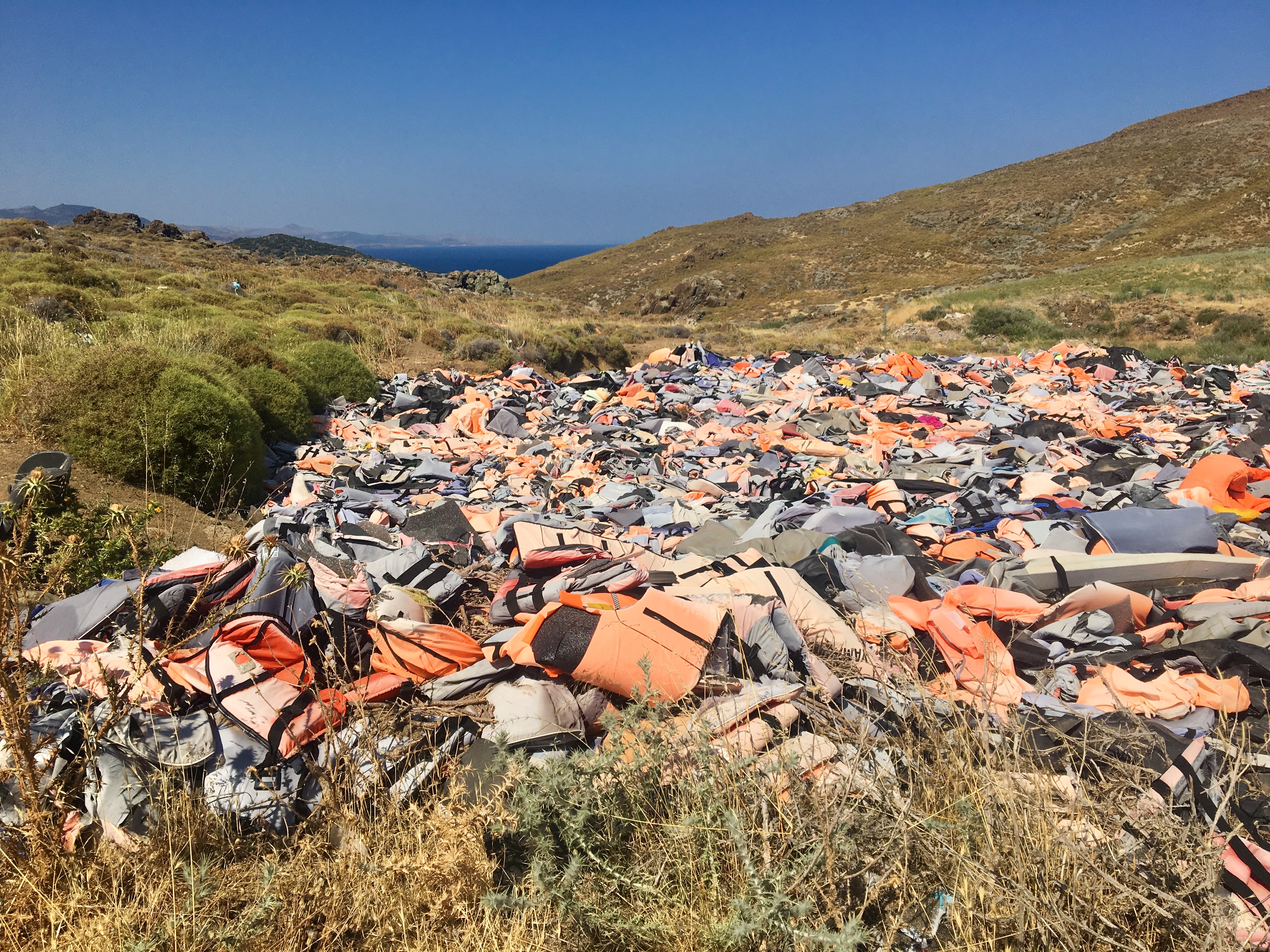
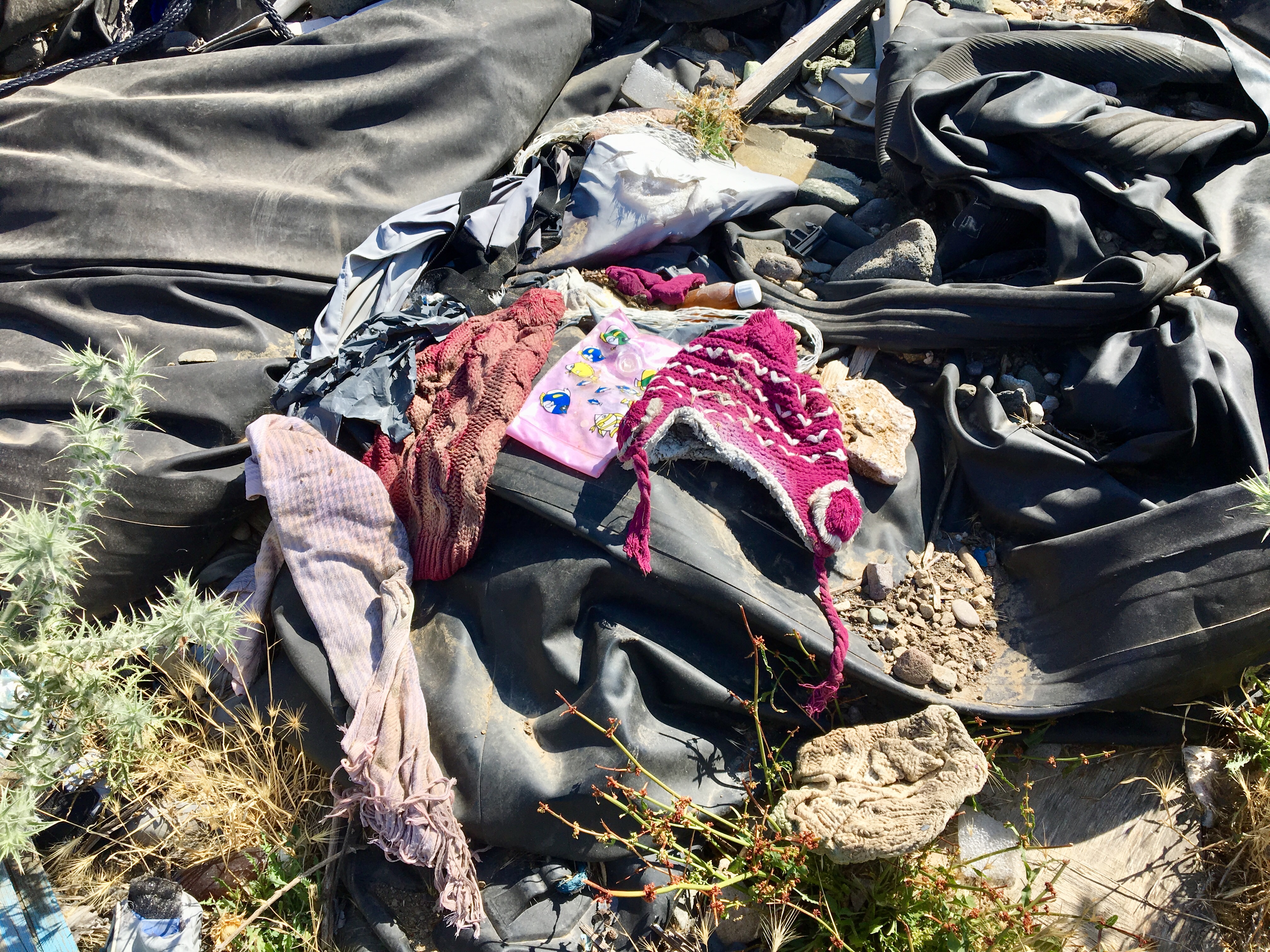
And it was with this hope and optimism that I was faced with one of the more difficult moments of this experience thus far, which was visiting the lifejacket graveyard. Located on the north end of the island (where most of the crossings occur from Turkey), the lifejacket graveyard is essentially a dumping site where adult and child life vests, rubber dinghies, and clothing are discarded as refugees move on from the shores in search of food, clothing, shelter, and a better life. It’s also absolutely shocking, especially to imagine that all the children that I’ve worked with have, without exception, undergone the traumatic experience of fleeing for their lives on one of those boats, in one of those lifejackets. And as much as those lifejackets are a testament to those who survive the journey, they’re also a heartbreaking reminder of those who don’t. And that’s when it becomes painfully clear that no parent would put their child on that boat if there was any alternative, and that I cannot even begin to understand the amount of courage that goes into making that decision. Or as British Somali poet Warsan Shire put it:
“no one leaves home unless home is the mouth of a shark you only run for the border when you see the whole city running as well”
*Names have been changed to protect students’ privacy
If you’re reading this blog just to hear about my journey in Lesvos, please feel free to skip this post. However, if you’re really itching to learn about how a lot of humanitarian organizations get tripped up and can sometimes harm the very people they claim to help, what follows is a brief overview of some of the main ethical issues that humanitarian aid face:
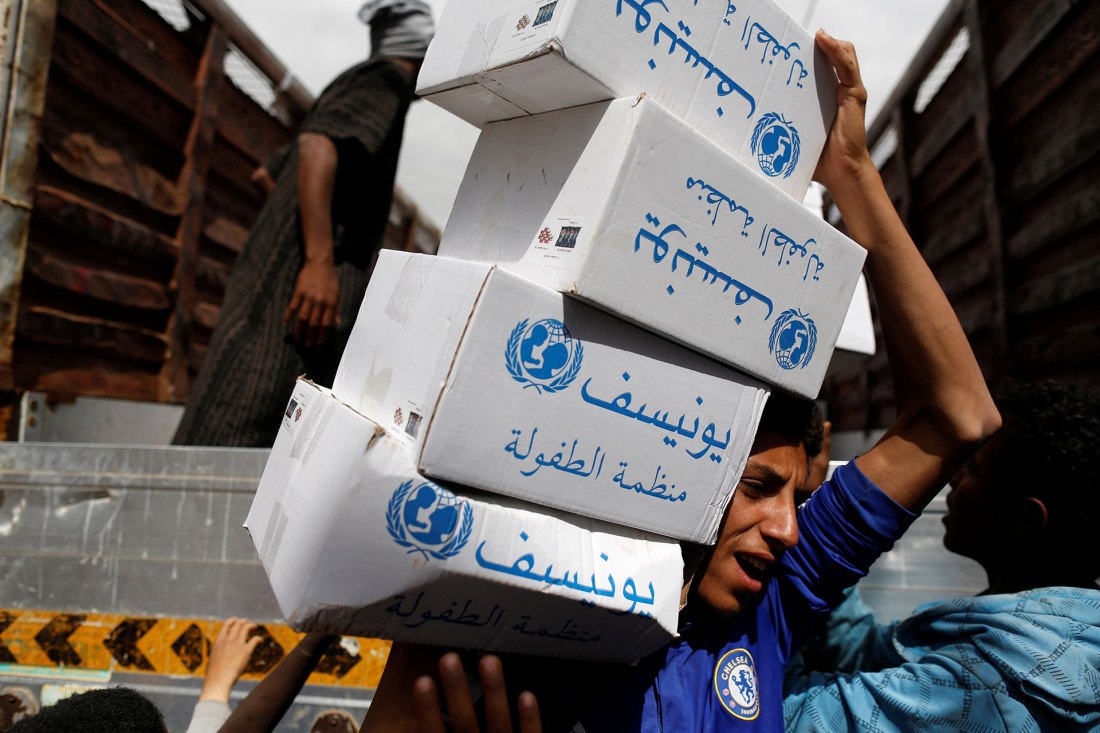
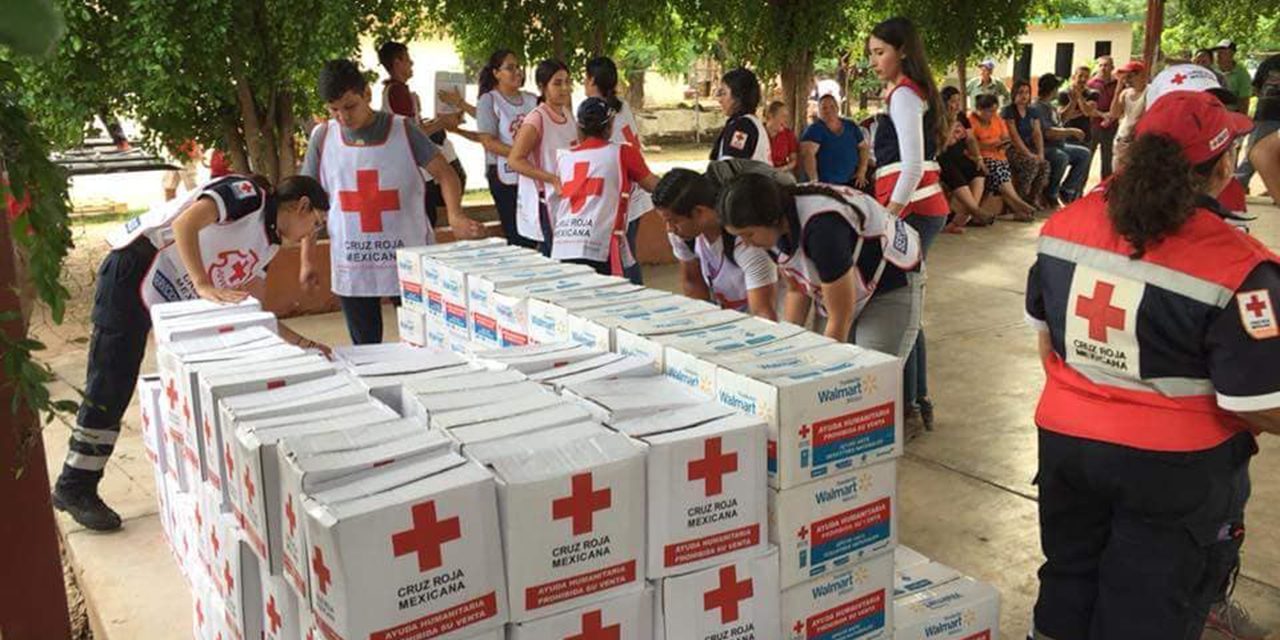
First, the issue of sustainability. A humanitarian crisis doesn’t end the moment TV cameras are packed up in pursuit of the next big story (in case you need reminding, the Syrian Civil War and the Gazan crisis haven’t gone anywhere). Recovery takes years, sometimes decades. Aid organizations that drop off cargos of food and leave weeks later do very little to help, apart from getting media coverage and ensuring that donors receive ample evidence of their “service”. In addition to not sticking around for the long haul, aid organizations do a disservice when they don’t take the time to equip the affected populations with the skills needed to take care of themselves. Without investing in the skills and empowerment of the affected populations, humanitarian aid organizations develop a cycle of helplessness in which the affected populations become dependent on aid. Which leads us to the second issue of…
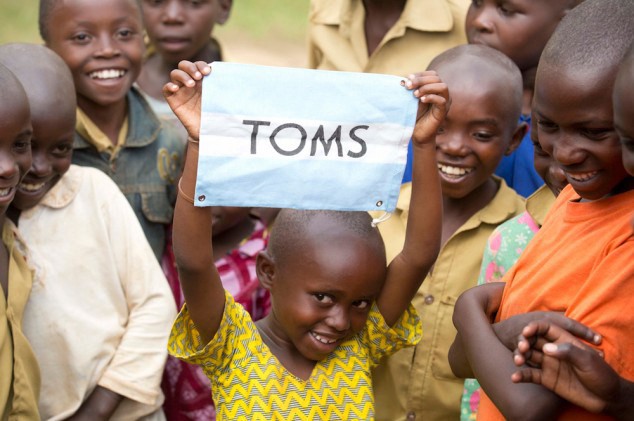
Dependency. Let’s take the example of a humanitarian campaign many of us have probably heard of, TOMS. TOMS is best known for their One-for-One policy, beginning with their shoes. For every pair of Toms shoes purchased, one is given to a child in need. Today, TOMS has donated over 70 million shoes (TOMS). However, as critics of the TOMS model have pointed out:
“The charitable act of donating a free pair of shoes serves as little more than a short-term fix in a system in need of long-term, multi-faceted economic development, health, sanitation, and education solutions“.
Cheryl Davenport
In other words, the act of simply giving resources reinforces dependency on donations. Moreover, these donations actually have the effect of distorting developing markets and undermining local businesses by creating an unsustainable aid-based economy. Tragically, free shoes ended up working against the long-term development goals of the community TOMS was trying to help (Davenport).
Finally, the issue of cultural-specificity. There is no one-size-fits-all solution for all the humanitarian crises in the world. For example, the same hygiene program in Mozambique may not work in Lampedusa for countless reasons, such as differences in language, culture, geography, religion, demographics, etc. In other words, context is everything. You need to understand the population you’re working with to ensure that the humanitarian relief is the right fit, and that it isn’t simply being imposed.
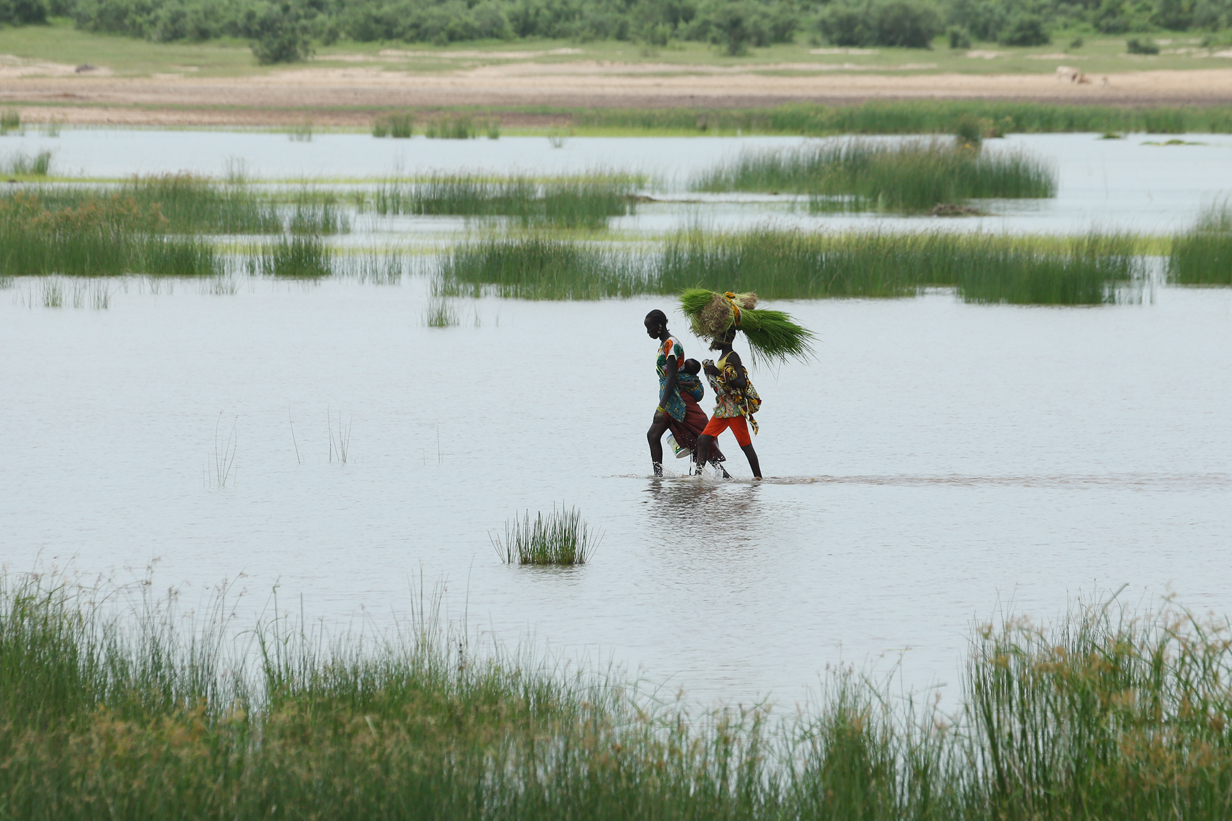
Let’s take a look at a development project implemented in the Gambian wetlands that failed to understand the local gender dynamics. In the existing gendered division of labor in Gambia, men cultivated highland peanut plots while women cultivated lowland rice plots, or wetlands. Similarly, in the gendered system of property rights, women retained the independent rights to rice plots, while the peanut plots were controlled by the men. Motivated by the desire to achieve food security, the Gambian government encouraged rice cultivation (a more stable crop) by improving wetland access and through developing better rice seeds. As a result of the wetland development, male household heads and village elites responded by calling into question women’s long-standing rights on the wetlands. The women fought back, demanding wages and alternative plot of land. This lead to conflict and effectively crippled the project (Carney, 320-322). In conclusion, projects that don’t take into consideration important population-specific factors such as gender relations can risk failing on their own terms.
Now this again is FAR from an exhaustive examination of the ethics of humanitarian action. There are other issue such as that of refugee camps, restrictions over freedom of movement, and political disempowerment. But there are also other ways that aid organizations can address these problems, like safeguarding and protection mainstreaming. This is a super interesting area of study that I (unfortunately) can only scratch the surface of here, but which I plan to study in pursuit of my Master’s degree.
The organization I will be working for this summer, IsraAID, has really invested in developing projects that are ethically sound. For example, after Hurricane Maria hit Puerto Rico in 2017, IsraAID sent a team there to work together with local shelters, authorities, civil society organizations, Jewish communities, and psychologist associations, to tap into resources already present within the community. Moreover, they’re still there today, building the foundations to ensure that the affected populations are equipped with the resources and training to make a full recovery.
I’m really looking forward to seeing for myself how IsraAID’s model unfolds in Greece in the next two weeks, and being able to get a sense of what the outcome of their (and hopefully some of my own) work will be. Counting down the days…
Sources:
Carney, J.A.. (2004). Gender Conflict in Gambian Wetlands. Liberation Ecologies: Environment, Development, Social Movements. 316-336.
Davenport, Cheryl. “The Broken ‘Buy-One, Give-One’ Model: 3 Ways to Save Toms Shoes.” Co.Exist. Fast Company, n.d. Web.


 Inside IsraAID Greece