
Bruno Mars’ voice suddenly fizzled and reemerged as the notes of an oud—that’s how close Lesvos is to Turkey; at certain points on the island, even the radio stations and cell services switch to Turkish ones. This time we’re driving to the School of Peace, an education initiative that provides daily classes to refugee children in their mother tongue, whether it’s French, Farsi, or Arabic.
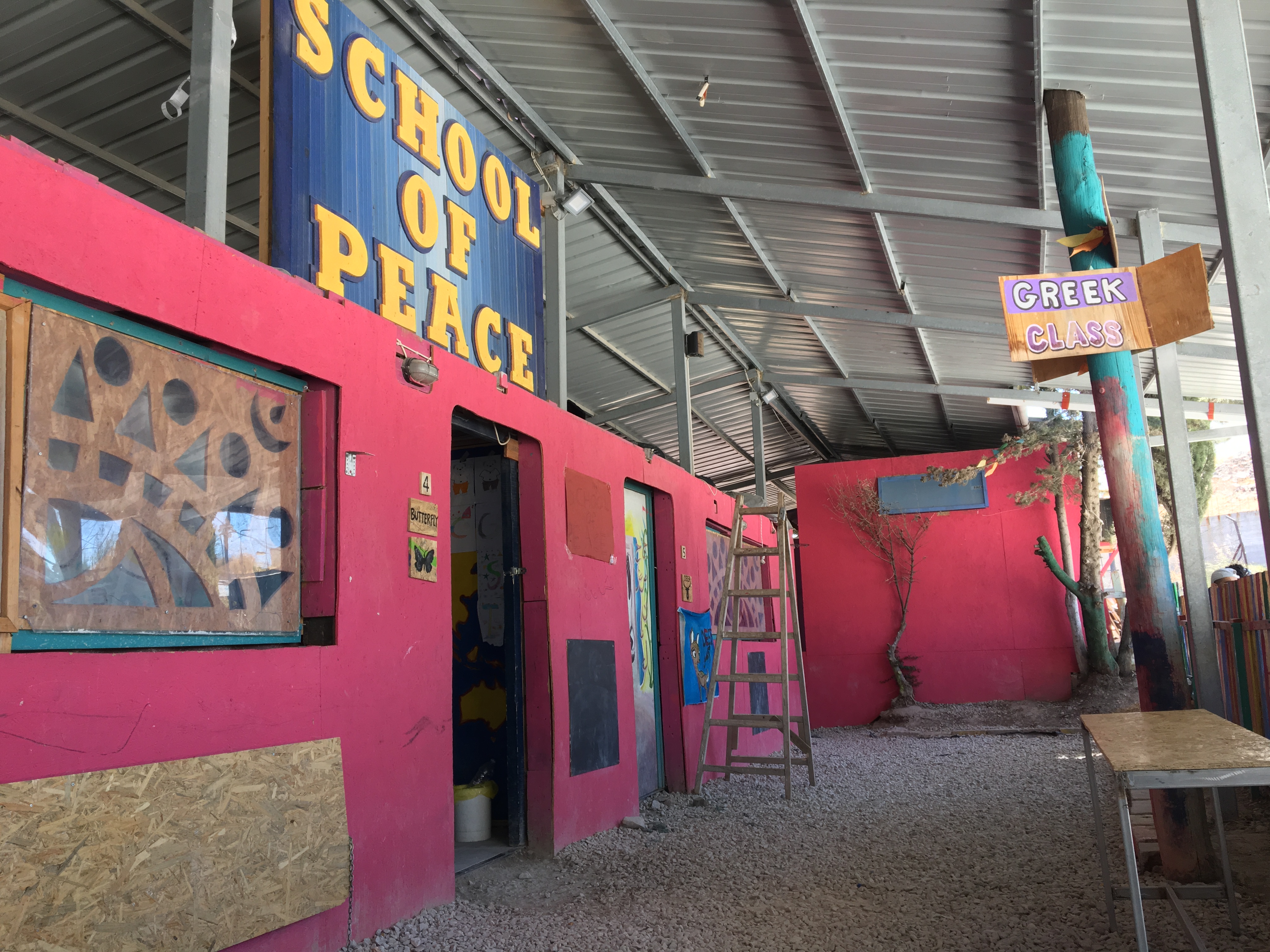
While IsraAID no longer runs the school (they exited in May 2019), they still provide support and retain a close partnership with volunteers from the Hashomer Hatzair youth movement along with local community volunteers who keep the school running. And in my extra time outside of the programs run by IsraAID, I’ve decided to help out as well.
Let me start by saying this: the School of Peace—with its rainbow-painted plywood walls and classrooms-named-after-animals—radiates positivity like nothing else within 5-kilometers of the Moria refugee camp. It’s a remarkable place; you close your eyes and you can actually hear joy: laughter, a soccer ball kicked against the wall, a jump rope hitting the soil, the loud chatter of children. The crisis does not permeate this space, at least not overtly. That day, beyond cutting fruits for snack-time and supervising the hectic play during break periods, I helped lead activities in the class containing kids from the Congo and Angola. Since some students spoke only French, some only Portuguese, and some both, I was able to give instructions in both languages, ensuring that everyone was on the same page.
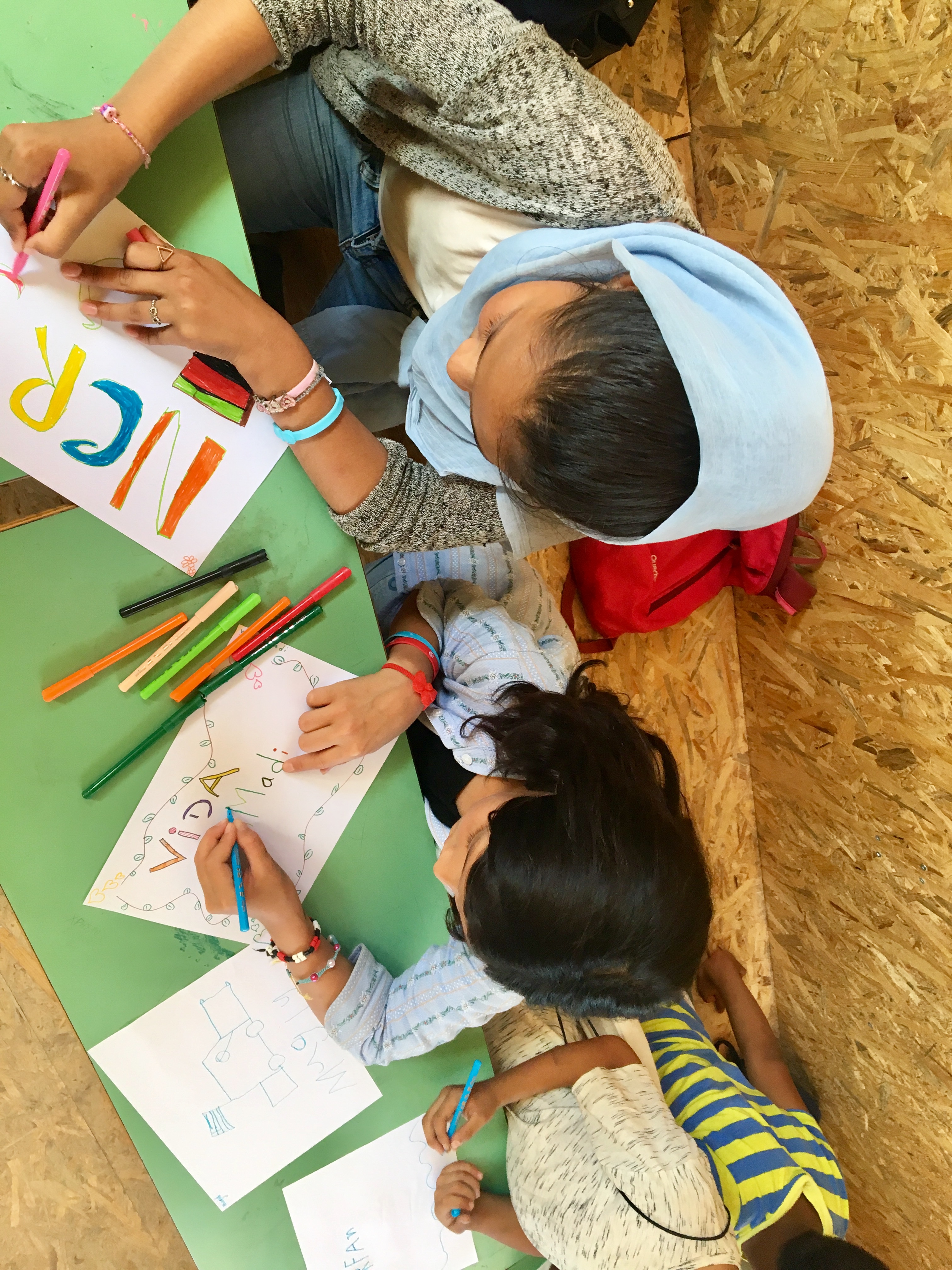
The first activity involved envisioning one’s journey after leaving the School of Peace. One of the more talkative students, David*, revealed to me his plans of becoming a concert pianist and a doctor. Dante wanted to become a famous youtuber and use his videos to discuss soccer and video games. Marianne, who couldn’t have been older than 10, told me that she hoped to learn English, but that what she wanted most was to receive her “white card”, an infinitely valuable document that states that she is a legal asylum seeker. The class ended when the head teacher blasted the Macarena from a dusty boombox and, as though on cue, all the students pushed aside their chairs and started dancing with complete abandon. And BOY could they dance. Seeing their resilience was incredibly motivating, and I couldn’t help leaving the school feeling a little lighter.
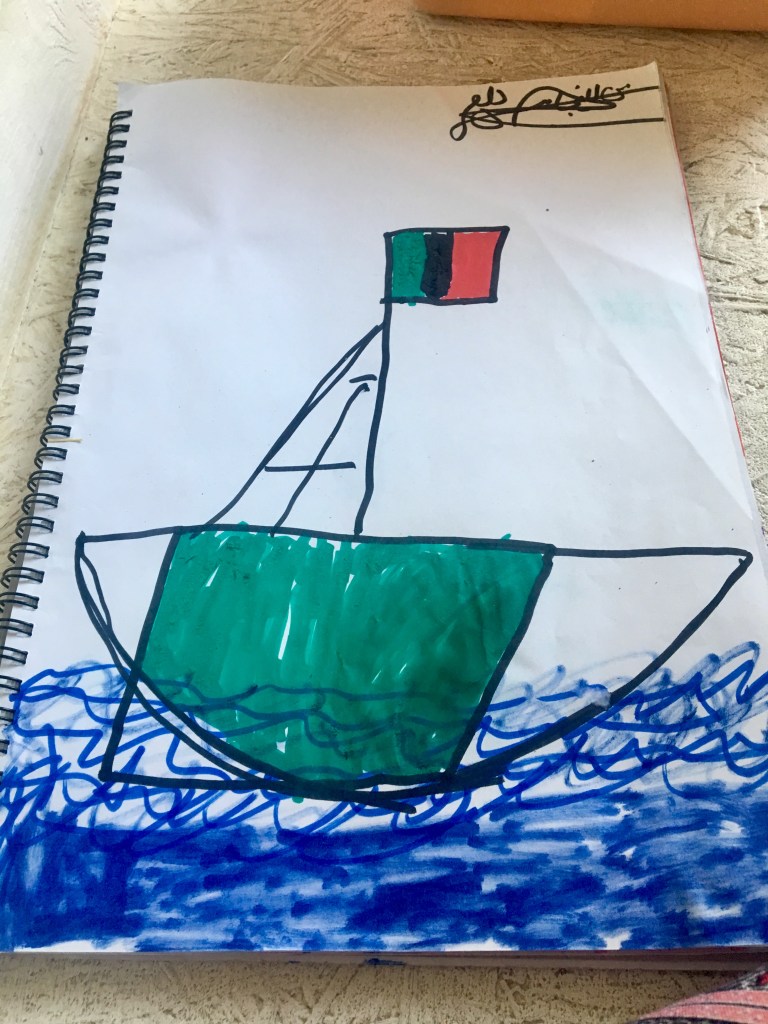
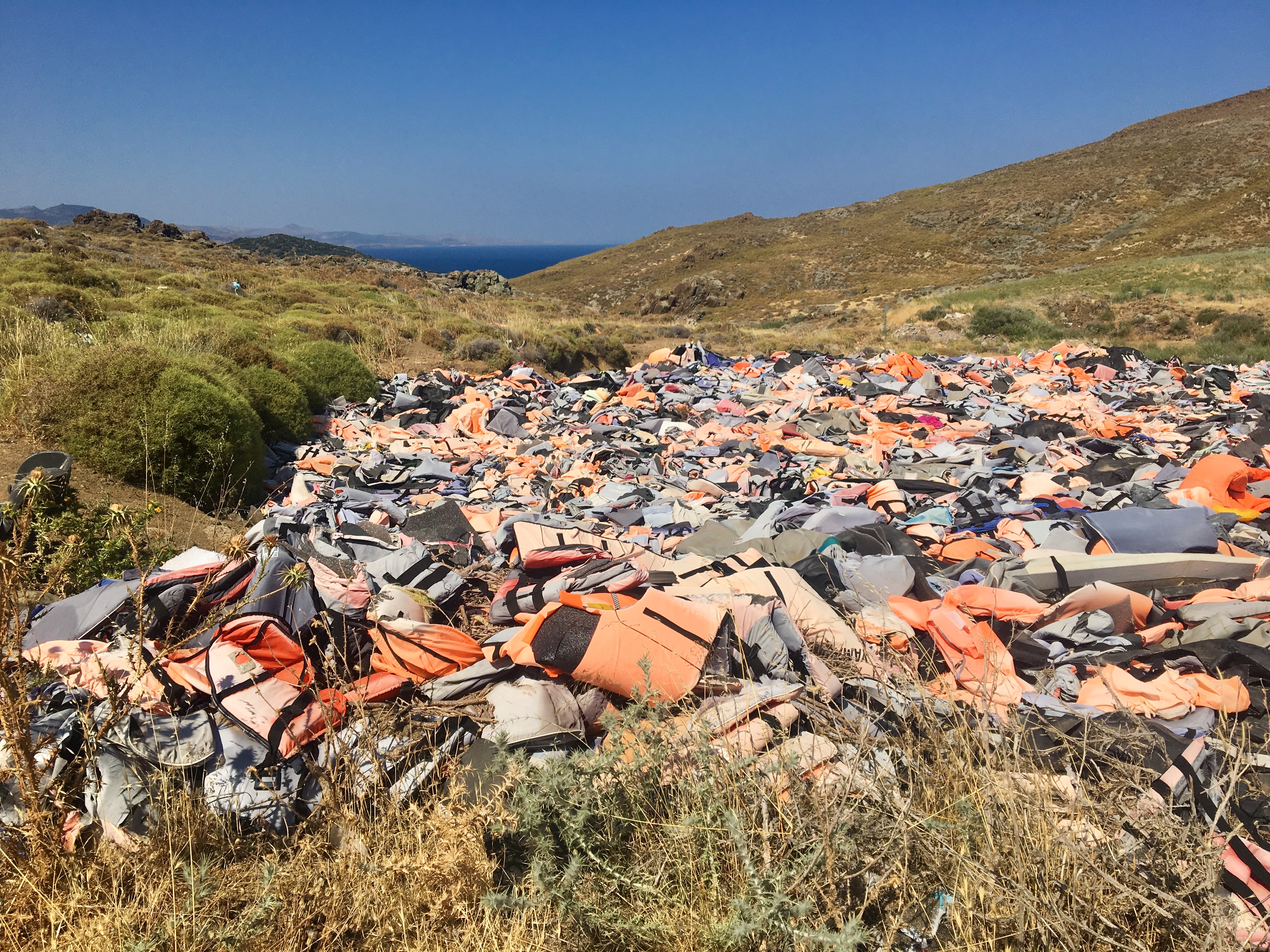
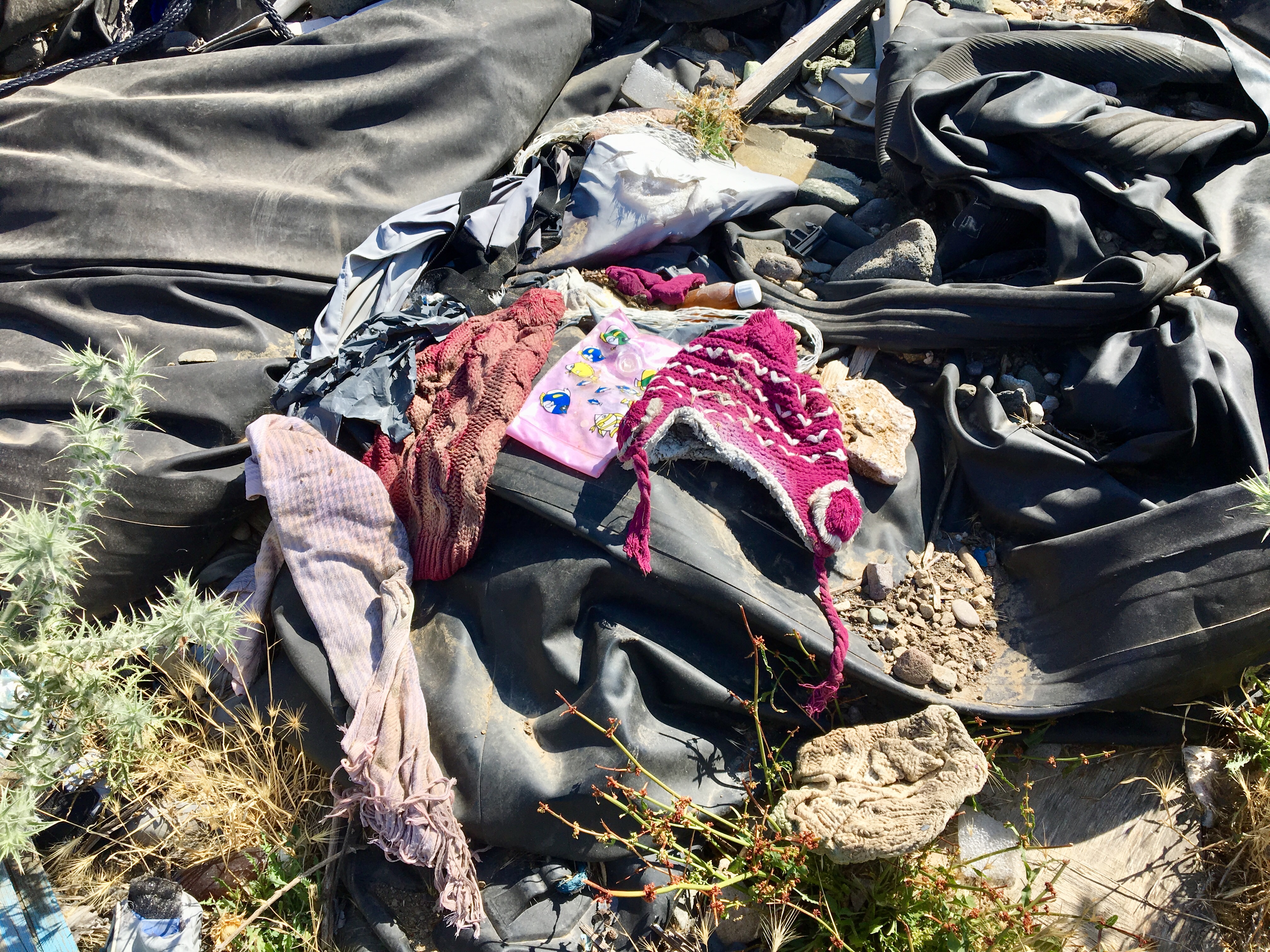
And it was with this hope and optimism that I was faced with one of the more difficult moments of this experience thus far, which was visiting the lifejacket graveyard. Located on the north end of the island (where most of the crossings occur from Turkey), the lifejacket graveyard is essentially a dumping site where adult and child life vests, rubber dinghies, and clothing are discarded as refugees move on from the shores in search of food, clothing, shelter, and a better life. It’s also absolutely shocking, especially to imagine that all the children that I’ve worked with have, without exception, undergone the traumatic experience of fleeing for their lives on one of those boats, in one of those lifejackets. And as much as those lifejackets are a testament to those who survive the journey, they’re also a heartbreaking reminder of those who don’t. And that’s when it becomes painfully clear that no parent would put their child on that boat if there was any alternative, and that I cannot even begin to understand the amount of courage that goes into making that decision. Or as British Somali poet Warsan Shire put it:
“no one leaves home unless
home is the mouth of a shark
you only run for the border
when you see the whole city running as well”
*Names have been changed to protect students’ privacy
 Inside IsraAID Greece
Hope and despair blended together in your wonderful and very touching blog. The tremendous sensitivity and compassion you show toward this almost forgotten human suffering is admirable and gives hope to all of us and the world. Thank you and keep up this great work.
LikeLike